


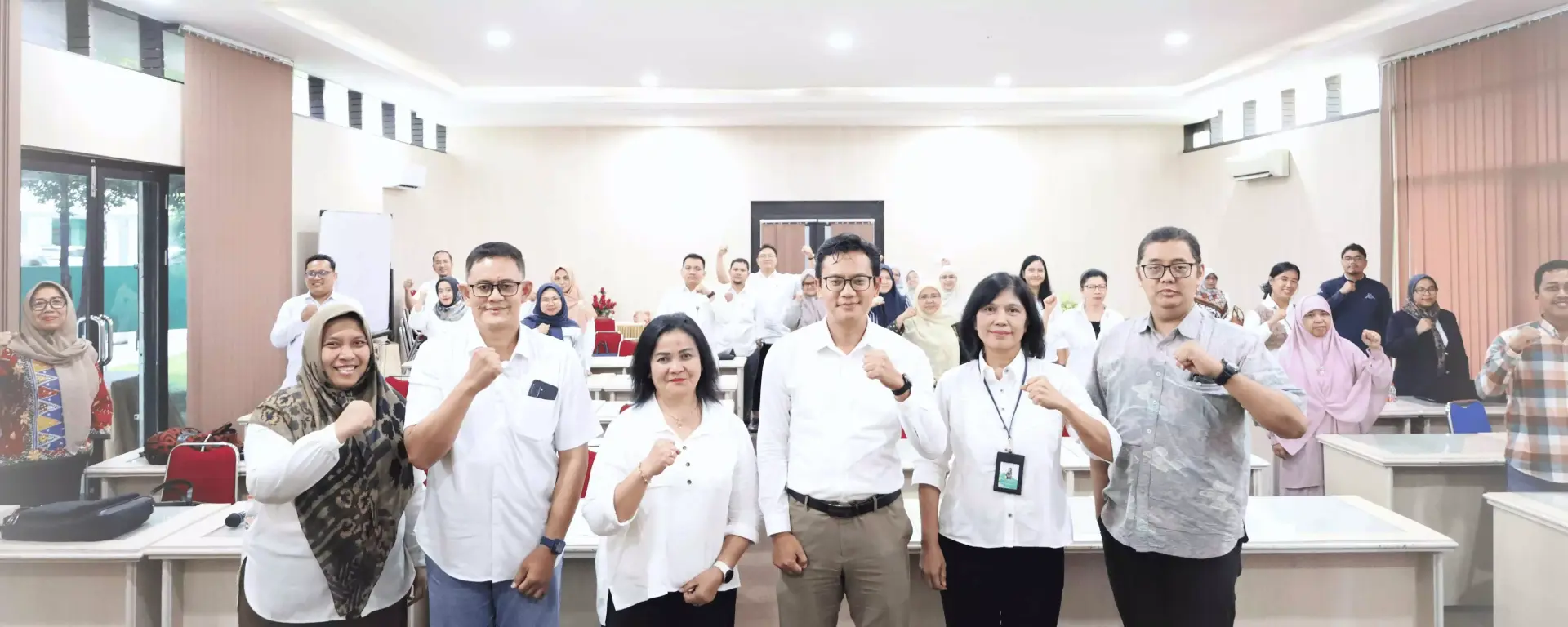
The Faculty of Agriculture, Universitas Sumatera Utara (FP USU), together with the Directorate of Innovation, Sustainable Development, and Science and Technology Areas (Dit. IPBKST) USU, held a Socialization of the Dit. IPBKST USU 2026 Work Program on Monday (October 26, 2026), in the D.H. Penny Seminar Room, FP USU. The activity aimed to promote the downstreaming of lecturers' research results, develop value-added innovations, and strengthen the implementation of the Sustainable Development Goals (SDGs) to support international rankings in the Times Higher Education (THE) Impact Rankings.
The activity was attended by the Director of IPBKST USU, Prof. Dr. Ir. Noverita Sprinse Vinolina, M.P.; the Director's Secretary, Prof. Dr. Apri Heri Iswanto, S.Hut.; the Manager of Innovation and Incubation, Imam Bagus Sumantri, S.Farm., M.Si.; and the Manager of Sustainable Development and Science and Technology Areas, Dr. Ir. Rahmi Meilina Sari, S.T., M(T), along with staff members. Representing FP USU were the Dean of FP USU, Dr. Rulianda Purnomo Wibowo, SP., M.Ec.; the Vice Dean for Research, Community Service, Cooperation, and Internationalization, Dr. Ir. Posma Mangasi Pintaria Marbun, MP.; the heads and secretaries of study programs; and FP USU lecturers.
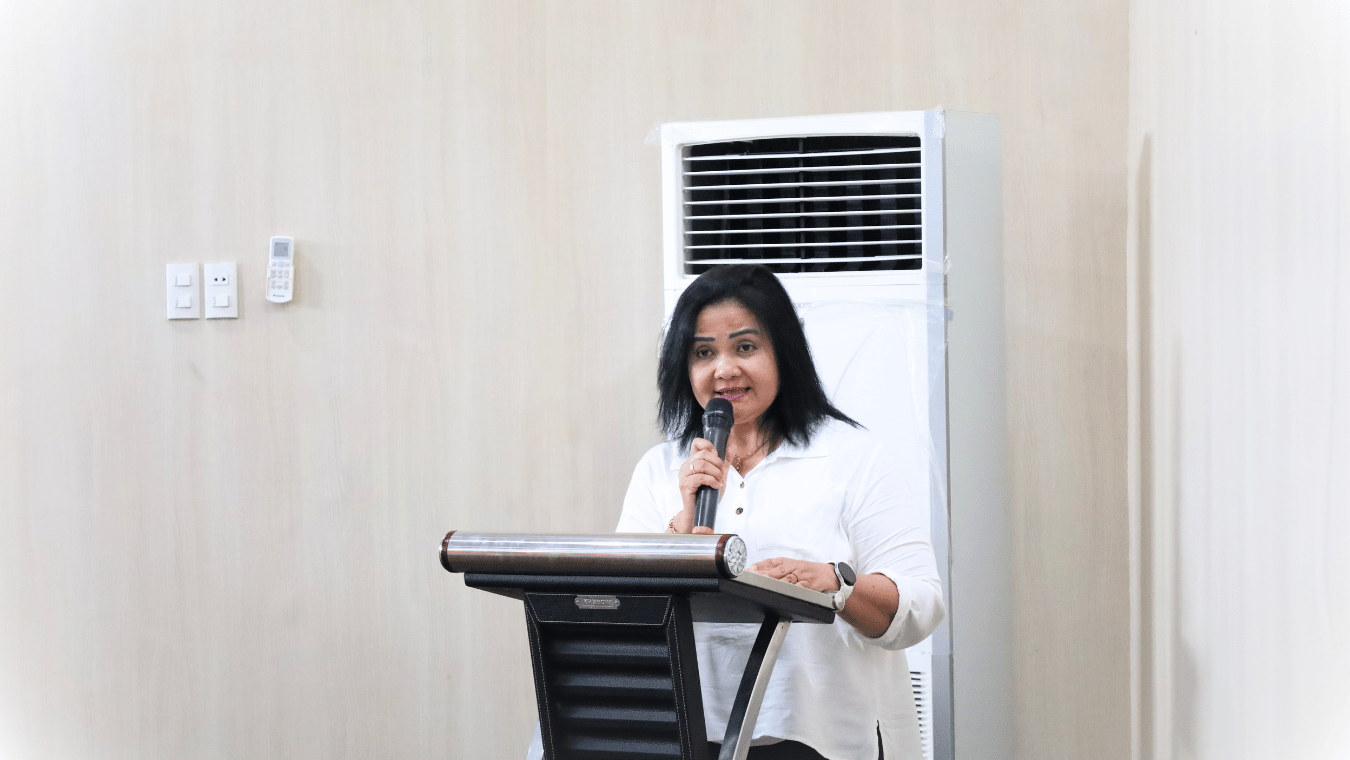
In her remarks, Dr. Ir. Posma Mangasi Pintaria Marbun, MP., expressed appreciation for the commitment of Dit. IPBKST USU to assisting and strengthening the research and innovation ecosystem within FP USU. She emphasized that FP USU has significant research potential, particularly in food, agribusiness, and environmental management, and that efforts are needed to encourage research to produce innovations that can be widely utilized.
“Through FP USU and Dit. IPBKST, we want to ensure that lecturers' research results do not stop at final reports or scientific publications alone, but can be transformed into downstreamed products that are useful to society and industry and have the potential to receive grant funding from ministries,” she stated.
She also emphasized the importance of integrating the SDGs into the implementation of the three pillars of higher education. According to her, mapping and documenting educational, research, and community service activities aligned with the SDGs are important steps toward strengthening FP USU's contribution to sustainable development while supporting USU's performance in the THE Impact Rankings.
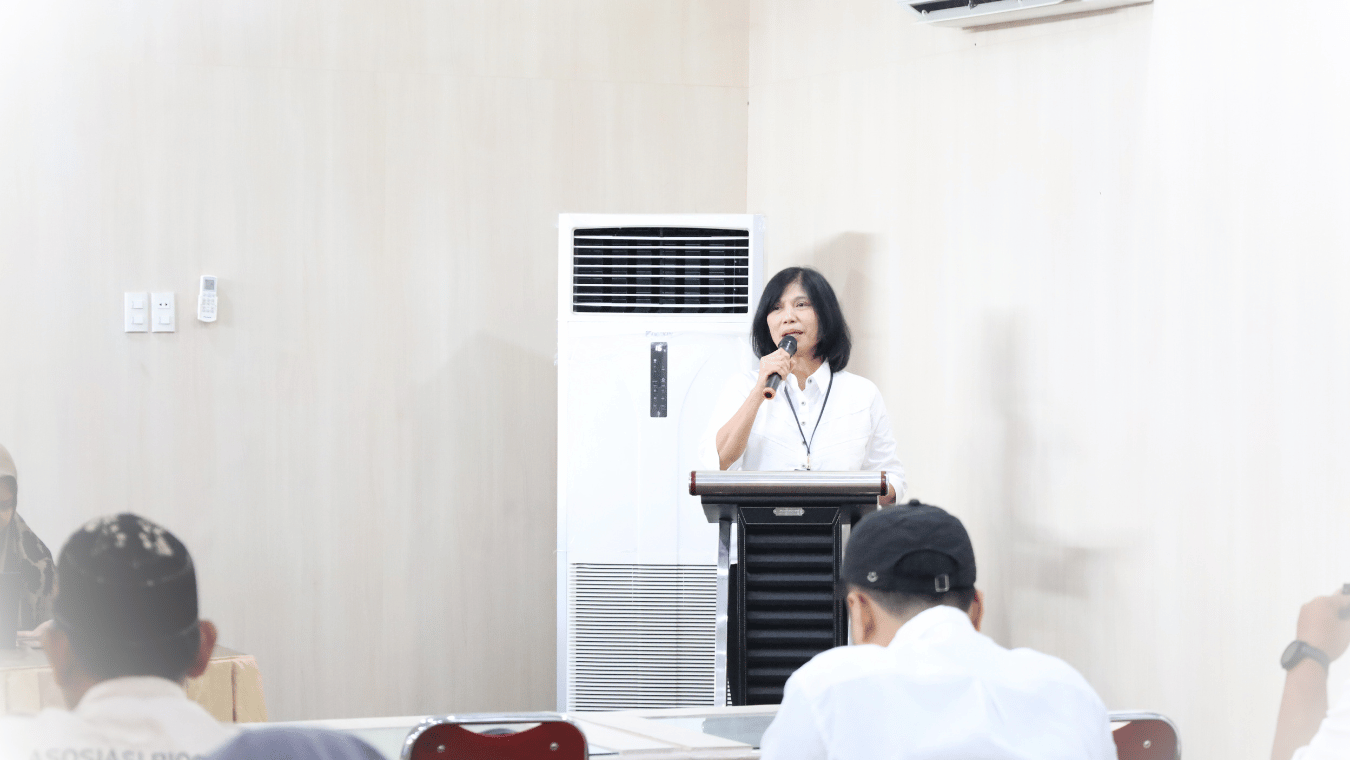
Meanwhile, the Director of IPBKST USU, Prof. Dr. Ir. Noverita Sprinse Vinolina, M.P., explained that Dit. IPBKST USU was mapping research products from FP USU that had the potential to be developed through the downstreaming process. Products with development potential would receive further assistance from the relevant managers.
She expressed hope that prototypes and patents produced by the academic community could be developed into innovations that provide broader benefits.
“We hope that the prototypes and patents produced can continue to be developed into innovations that provide tangible benefits to society, improve the welfare of inventors, and strengthen the university's contribution to the development of science and technology,” she said.
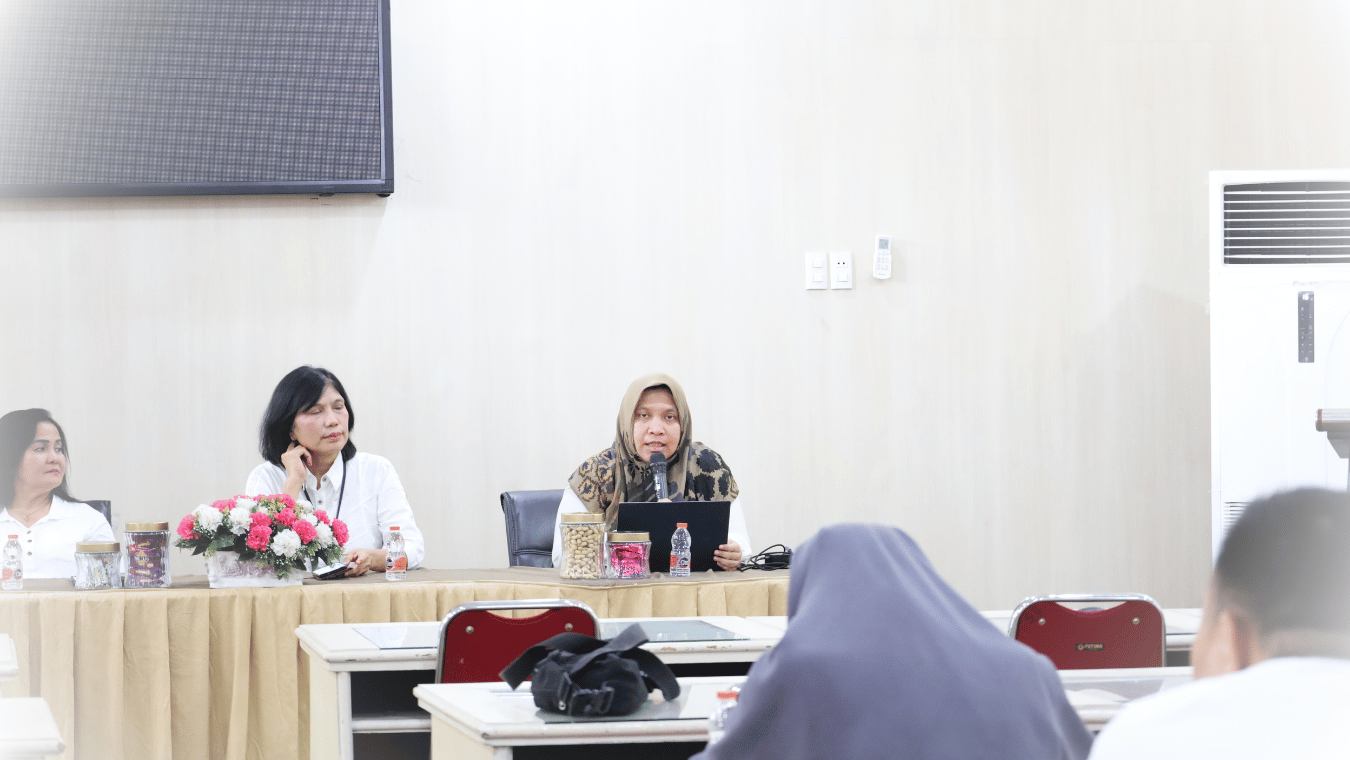
The series of activities continued with presentations by the speakers. Dr. Ir. Rahmi Meilina Sari, S.T., M(T), presented the material “Understanding the Sustainable Development Goals (SDGs),” which discussed the importance of implementing sustainable development goals in higher education activities. This understanding is expected to encourage the academic community to integrate the SDGs into the implementation of the three pillars of higher education and support the strengthening of the university's sustainability performance.
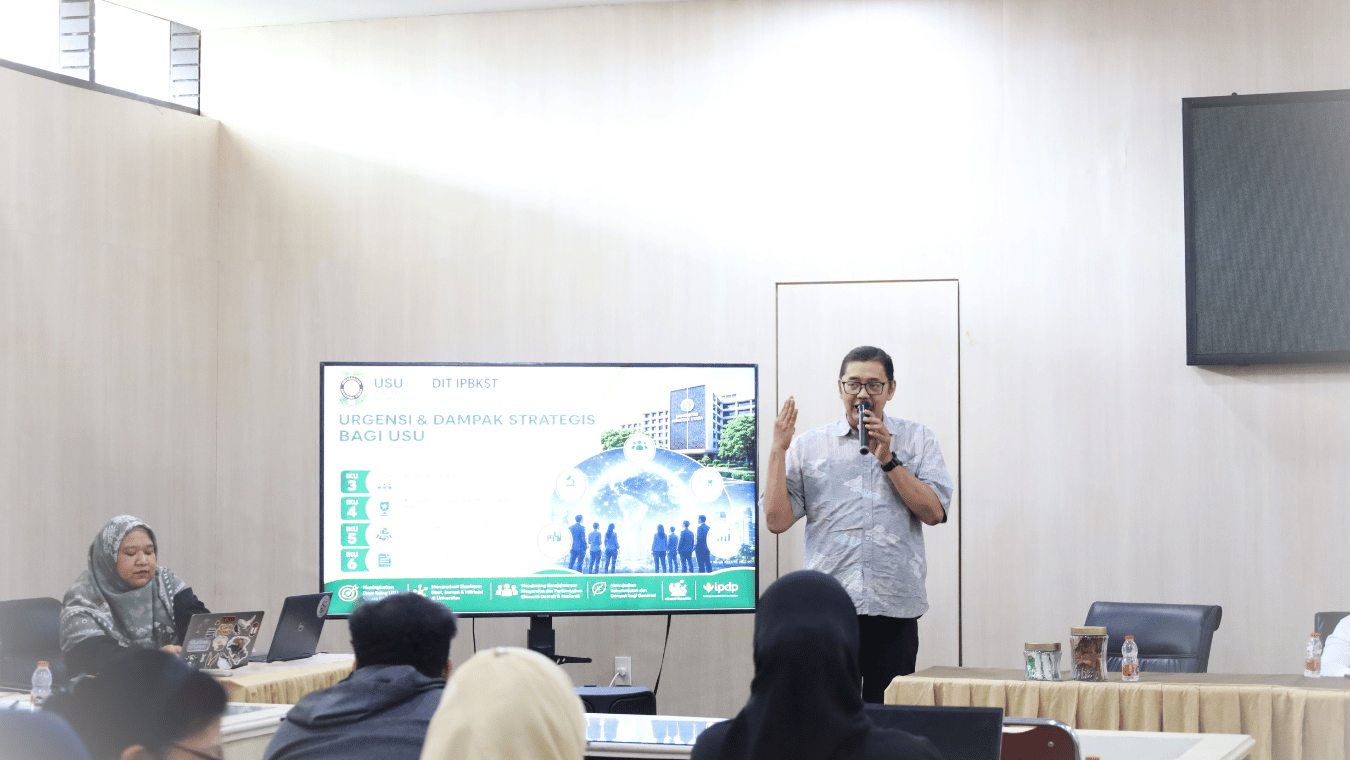
Next, Imam Bagus Sumantri, S.Farm., M.Si., delivered presentations entitled “Transforming Research Results into Innovations with Global Impact and Economic Added Value” and “Mapping and Accelerating Research Downstreaming at the Faculty of Agriculture, USU.” The presentations highlighted efforts to develop research results into innovative products with added value, opportunities for utilization by society and industry, and the potential to obtain grant funding from ministries for research downstreaming.
The activity proceeded interactively through discussion and question-and-answer sessions. Lecturers had the opportunity to exchange ideas, ask questions, and discuss research results and patents with potential for further development. The session also provided a space to strengthen understanding of grant proposal preparation and opportunities for assistance throughout the research downstreaming process.
Through this activity, FP USU and Dit. IPBKST USU strengthened their synergy in building a productive, applicable, and community-oriented research and innovation ecosystem. Assistance for research products is expected to expand the utilization of research results, increase the added value of innovations, and create opportunities for collaboration with various parties.
These efforts align with SDG 2 (Zero Hunger) through the development of innovations in food and food security; SDG 9 (Industry, Innovation, and Infrastructure) through strengthening research and technology downstreaming; SDG 12 (Responsible Consumption and Production) through the development of innovations that support sustainable resource utilization; and SDG 17 (Partnerships for the Goals) through collaboration between the faculty, directorate, and relevant partners. This synergy is expected to increase the impact of FP USU's research while strengthening USU's role in supporting sustainable development at the national and global levels.