


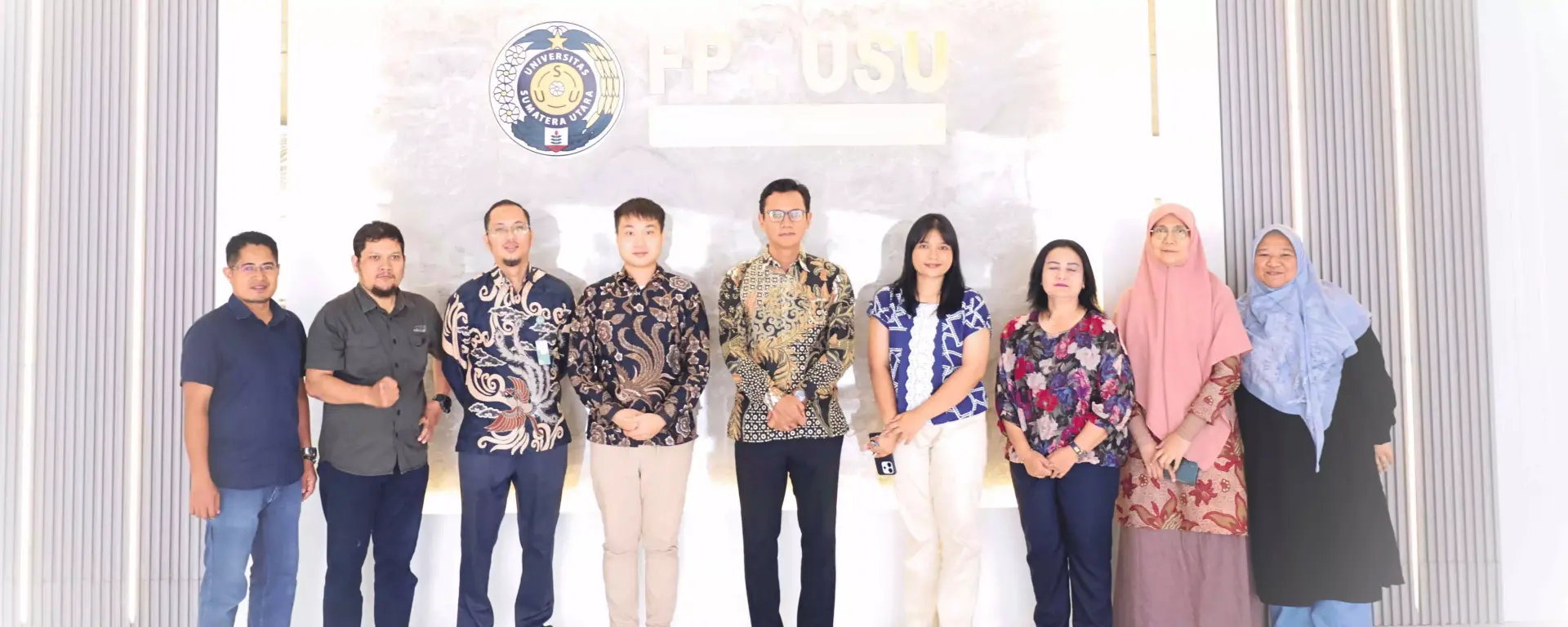
Medan, October 15, 2026 – The Faculty of Agriculture, Universitas Sumatera Utara (FP USU), explored opportunities for cooperation with PT Gema Nirmala Indonesia (GNI) in developing research and promoting the sustainable utilization of organic waste. The discussion took place on Thursday, October 15, 2026, in the Dean's Meeting Room of FP USU.
The meeting was attended by the Dean of FP USU, Dr. Rulianda Purnomo Wibowo, S.P., M.Ec.; Vice Dean for Research, Community Service, Cooperation, and Internationalization, Dr. Ir. Posma Mangasi Pintaria Marbun, M.P.; Head of the Undergraduate Program in Agrotechnology, Prof. Dr. Diana Sofia Hanafiah, S.P., M.P.; Head of the Undergraduate Program in Animal Science, Ir. Achmad Sadeli, S.Pt., M.Sc., IPM., ASEAN.Eng.; Head of the Undergraduate Program in Aquatic Resources Management, Dr. Ahmad Muhtadi, S.Pi., M.Si.; Manager of Research, Community Service, Cooperation, and Internationalization, Dian Pebriyani, S.P., M.P.; and lecturer of the Undergraduate Program in Animal Science, Ir. Galih Ari Wirawan Siregar, S.Pt., M.Si., IPM., CIT. Meanwhile, PT GNI was represented by Mr. John and Ms. Elisa.
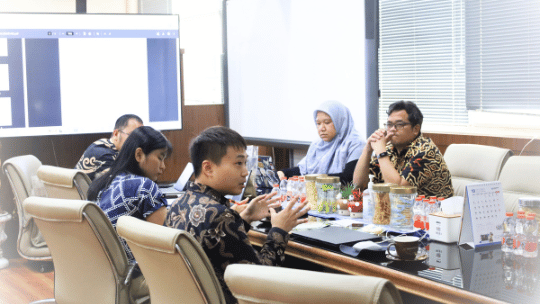
PT GNI focuses on organic waste management by utilizing Black Soldier Fly (BSF), or black soldier flies, to decompose food waste and convert it into resources with the potential for reuse.
During the discussion, PT GNI representative Mr. John expressed his hope that collaboration with professors and experts from FP USU would open opportunities for joint research to evaluate the benefits and further develop BSF-based products and organic materials, enabling their broader and more sustainable application.
“We hope to collaborate with professors and experts from the Faculty of Agriculture, USU, to conduct joint research, evaluate the benefits of our products, and further develop their applications for broader and more sustainable use,” he said.
The Head of the Undergraduate Program in Animal Science, Ir. Achmad Sadeli, S.Pt., M.Sc., IPM., ASEAN.Eng., also presented the concept of an integrated agricultural system connecting BSF bioconversion units with the livestock, fisheries, and crop production sectors. BSF larvae have the potential to be used as feed ingredients for chickens and tilapia, while the processing residues could be studied for use as organic fertilizer. This system also offers opportunities to research the utilization of kitchen waste and production leftovers as productive resources.
In closing the discussion, the Dean of FP USU, Dr. Rulianda Purnomo Wibowo, S.P., M.Ec., expressed his hope that the cooperation could soon be realized through concrete activities, such as public lectures, collaborative research, community service, as well as training and educational programs.
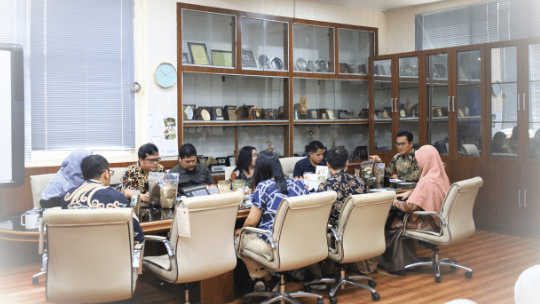
“This collaboration can be implemented in the near future through general lectures, collaborative research, community service, and educational training that will benefit society and support a sustainable future,” he stated.
This exploration is expected to serve as an initial step toward developing innovations in organic waste management through research and the application of beneficial technologies. The collaboration aligns with SDG 9 (Industry, Innovation and Infrastructure), SDG 12 (Responsible Consumption and Production), and SDG 17 (Partnerships for the Goals) in supporting innovation and environmental sustainability.