


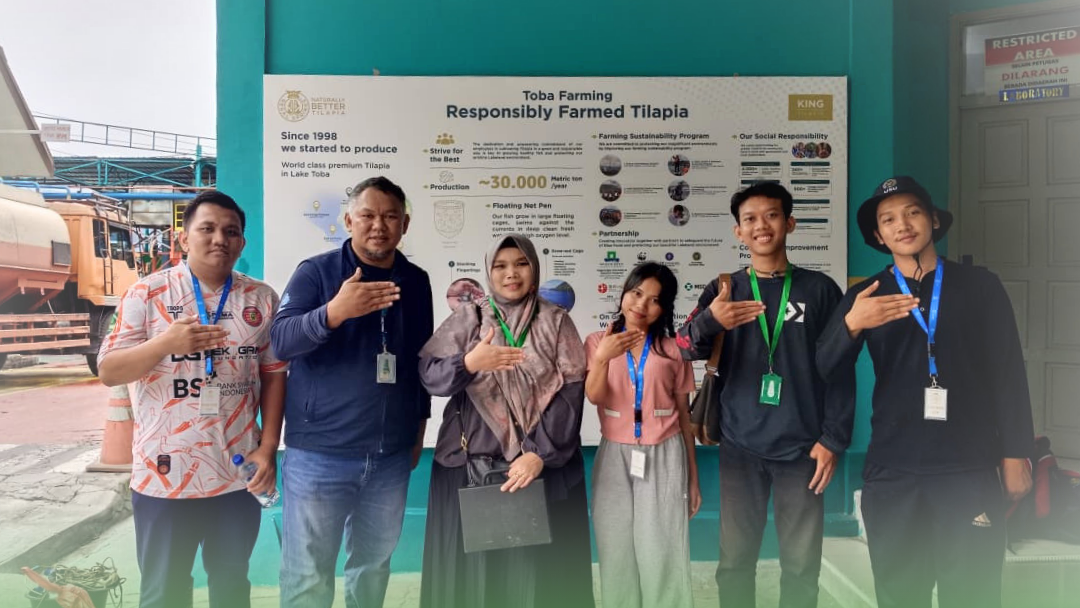
Medan — The Undergraduate Program in Aquatic Resources Management (MSP), Faculty of Agriculture, Universitas Sumatera Utara (USU), in collaboration with Regal Springs Indonesia, conducted research on pora-pora fish (Mystacoleucus padangensis) in the Pangaloan Ail River and Sibaruang River, within the Lake Toba watershed area. This research is part of an effort to establish a scientific basis for the sustainable management and utilization of pora-pora fish resources.
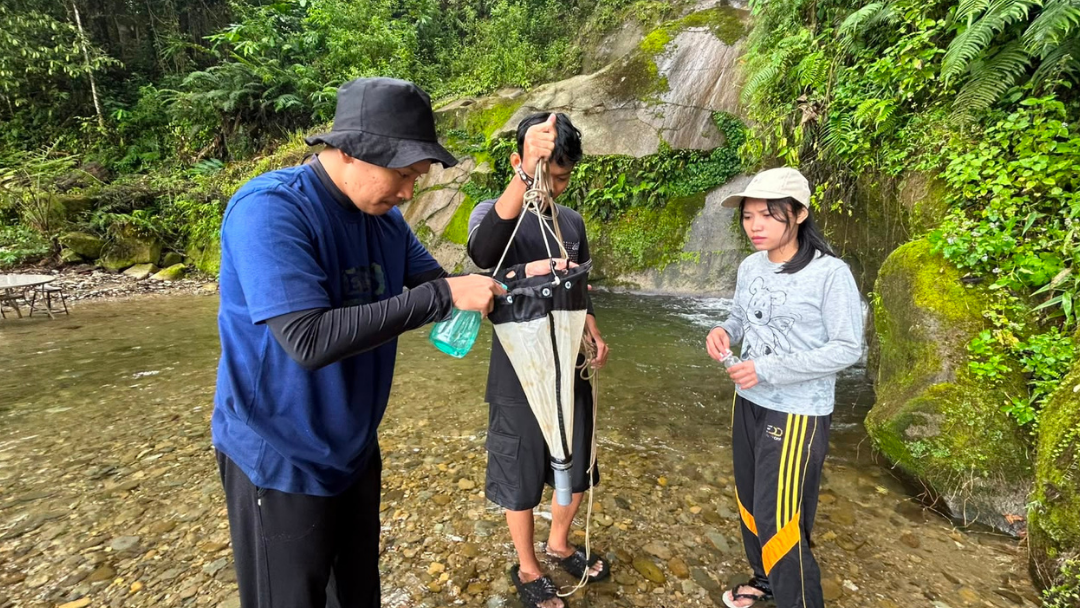
The research focused on assessing habitat characteristics, water quality, river ecological conditions, as well as the presence and distribution of pora-pora fish. The research team also observed environmental factors that could potentially affect the survival, movement, growth, and reproductive processes of the fish.
Pora-pora fish are one of the important fisheries resources in Lake Toba. In addition to having economic value for local communities and fishermen, this fish is also part of the dynamics of the Lake Toba aquatic ecosystem. Although it is not native to Lake Toba, pora-pora fish have developed into a valuable capture fishery commodity and are widely utilized by communities around the lake.
The head of the research team, Dr. Ahmad Muhtadi, S.Pi., M.Si., explained that rivers flowing into Lake Toba play an important role in supporting the life cycle of pora-pora fish.
“This research is aimed at obtaining scientific information on the functions of the Pangaloan Ail River and Sibaruang River as habitats for pora-pora fish. Data on water quality, substrate characteristics, depth, current velocity, riparian vegetation cover, and fish presence will serve as a basis for formulating more appropriate and sustainable management strategies,” explained Ahmad Muhtadi.
According to him, the management of pora-pora fish cannot be carried out only in the lake waters. The protection of rivers, riverbanks, and watersheds must also be an important part of the management strategy because of the ecological interconnection between the river ecosystem and Lake Toba.
Integrated Ecological Data Collection
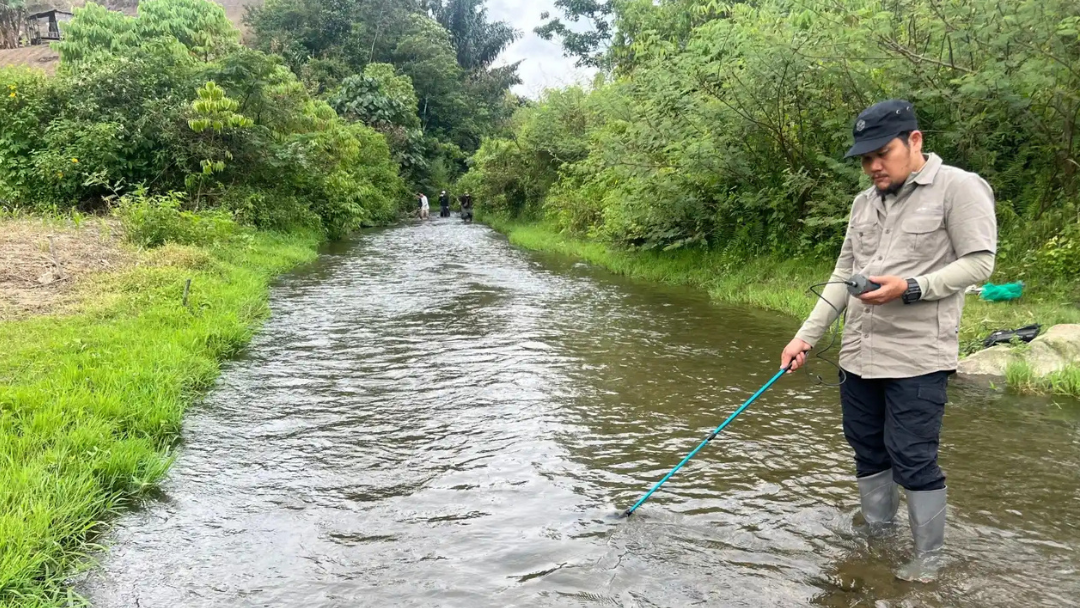
During the field activities, the MSP USU team measured several aquatic environmental parameters, including temperature, pH, dissolved oxygen, water clarity, depth, and current velocity. Observations also covered bottom substrate conditions, riparian vegetation, community activities around the rivers, and various environmental pressures that could affect fish habitat conditions.
In addition to measuring water quality, the team observed the presence of pora-pora fish to obtain information on their distribution, size, biological condition, and habitat utilization. This information is needed to identify sections of the rivers that potentially function as spawning, nursery, protection, and fish movement areas.
This research is expected to produce an initial database on the population and habitat conditions of pora-pora fish. The results will be used to develop management recommendations, such as the protection of important habitats, rehabilitation of riverbanks, pollution control, regulation of fish resource utilization, and strengthening of community-based monitoring activities. The research will be conducted for 6 months from August 2026 to January 2027, covering the upstream to downstream sections of the rivers as well as the lake area.
Higher Education and Business Collaboration
The collaboration between the Faculty of Agriculture USU and Regal Springs Indonesia demonstrates the importance of synergy between higher education institutions and the business sector in supporting responsible management of aquatic resources. The Faculty of Agriculture USU plays a role in providing scientific studies, collecting and analyzing data, and formulating management recommendations. Meanwhile, Regal Springs Indonesia provides support for the implementation of the research and the strengthening of the Lake Toba ecosystem sustainability program.
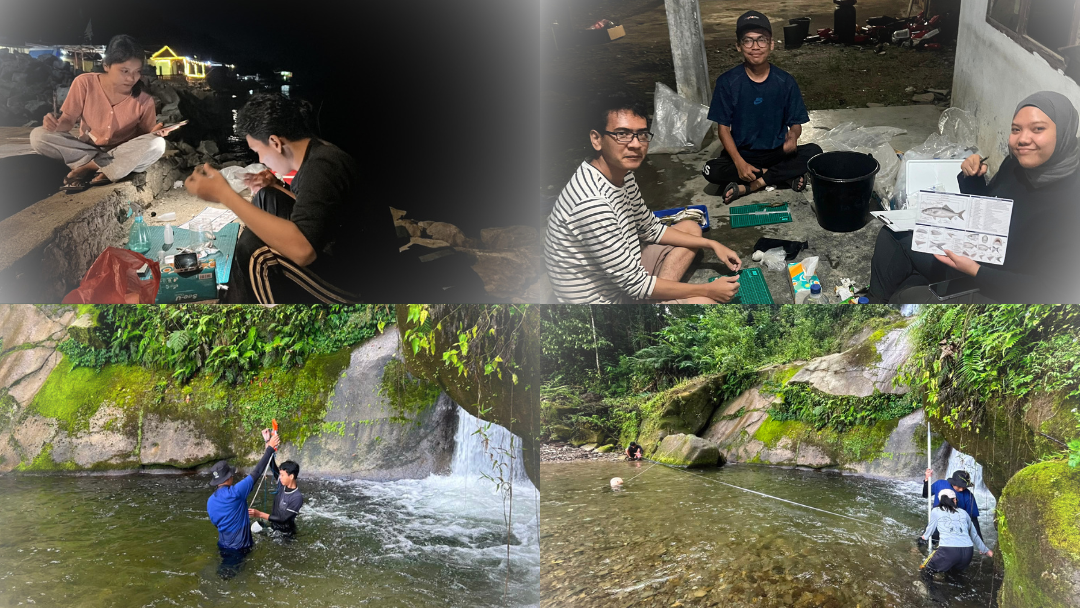
This collaboration also serves as a means of implementing the three pillars of higher education, particularly in the fields of research and community service. Field activities provide opportunities for lecturers and students of the MSP USU to directly apply knowledge of aquatic resource management while contributing to addressing environmental issues in the Lake Toba area.
The research findings are expected to serve as considerations for local governments, area managers, businesses, fishermen's groups, and communities in formulating data-driven management policies for pora-pora fish. Community involvement is an important element because the success of fish resource management greatly depends on the support and compliance of resource users.
Supporting the Achievement of the Sustainable Development Goals
The implementation of this research contributes to several Sustainable Development Goals (SDGs), namely:
- SDG 2 – Zero Hunger, through support for the sustainability of fish resources as a source of food and livelihood for communities.
- SDG 4 – Quality Education, through the involvement of lecturers and students in learning activities, field research, and competency development based on real-world issues.
- SDG 6 – Clean Water and Sanitation, particularly through water quality monitoring and the protection of river and lake ecosystems.
- SDG 8 – Decent Work and Economic Growth, through support for sustainable capture fisheries and economic activities of communities around Lake Toba.
- SDG 15 – Life on Land, particularly through the protection and restoration of freshwater ecosystems, watersheds, and riparian vegetation.
- SDG 17 – Partnerships for the Goals, through collaboration among higher education institutions, businesses, governments, and communities in managing aquatic resources.
Through this research, the Faculty of Agriculture USU reaffirms its commitment to producing knowledge and innovation that are relevant to community needs. The collaboration with Regal Springs Indonesia is expected to develop into a long-term research and monitoring program that supports the sustainability of the Lake Toba ecosystem and the rivers flowing into it.
Ecosystem-based management of pora-pora fish is expected not only to maintain the sustainability of fish resources but also to strengthen food security, sustain community livelihoods, and maintain the health of the Lake Toba aquatic ecosystem for future generations.