


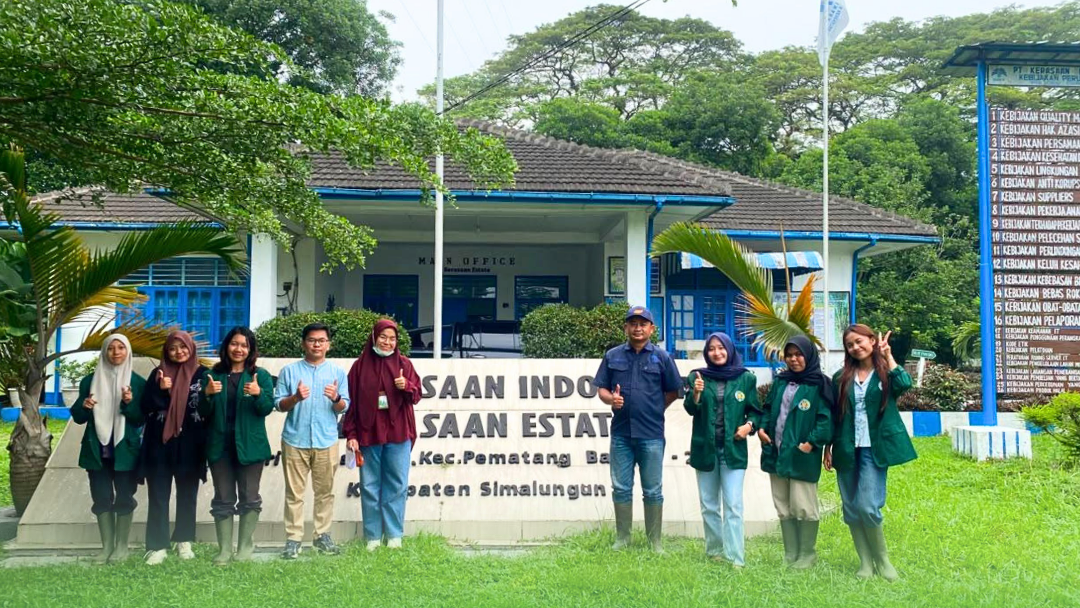
Students of the Undergraduate Program in Agrotechnology, Faculty of Agriculture, Universitas Sumatera Utara (FP USU), once again had the opportunity to expand their experience and develop their competencies through Field Work Practice (PKL) at PT Kerasaan Indonesia. Through this activity, students not only learned from theories obtained in lectures but also directly participated in various activities and dynamics of oil palm plantation management.
The implementation of PKL serves as a means for students to gain a more practical understanding of the application of science and technology in the workforce. The oil palm plantation environment provides a broad learning space for students to become familiar with various aspects of plant management, ranging from cultivation and plant maintenance activities to the implementation of professional plantation management. To ensure that the activities were carried out in accordance with the established learning objectives, supervision of students' Field Work Practice was conducted at PT Kerasaan Indonesia. The supervision was conducted on July 28, 2026, as a form of monitoring and evaluation of students' progress during their PKL within the company.
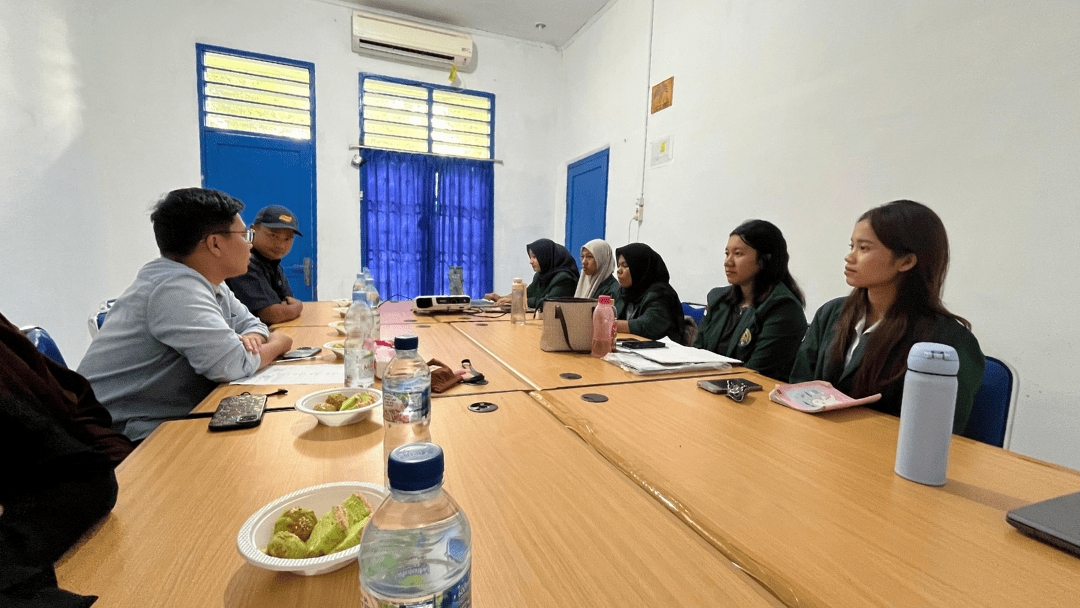
Through the supervision activity, Field Work Practice Supervisor Triwanto Nababan, S.P., M.Agr., coordinated with Field Supervisor M. Fauzie Harahap to monitor students' involvement in various activities carried out during the PKL. This activity also provided an opportunity to gain an overview of the experience, knowledge, and skills acquired by students while adapting to the working environment in the oil palm plantation sector. Direct learning experience in the industrial sector is expected to provide students with stronger preparation before entering the workforce. Interaction with professionals and involvement in plantation activities also enable students to understand the challenges and competency requirements that continue to develop in the plantation industry.
The implementation of Field Work Practice at PT Kerasaan Indonesia also supports the achievement of the Sustainable Development Goals (SDGs), particularly SDG 4: Quality Education. Through experiential learning, students are encouraged to integrate academic knowledge with practical experience in the field, thereby developing human resources with competencies, skills, and readiness to face the professional world.
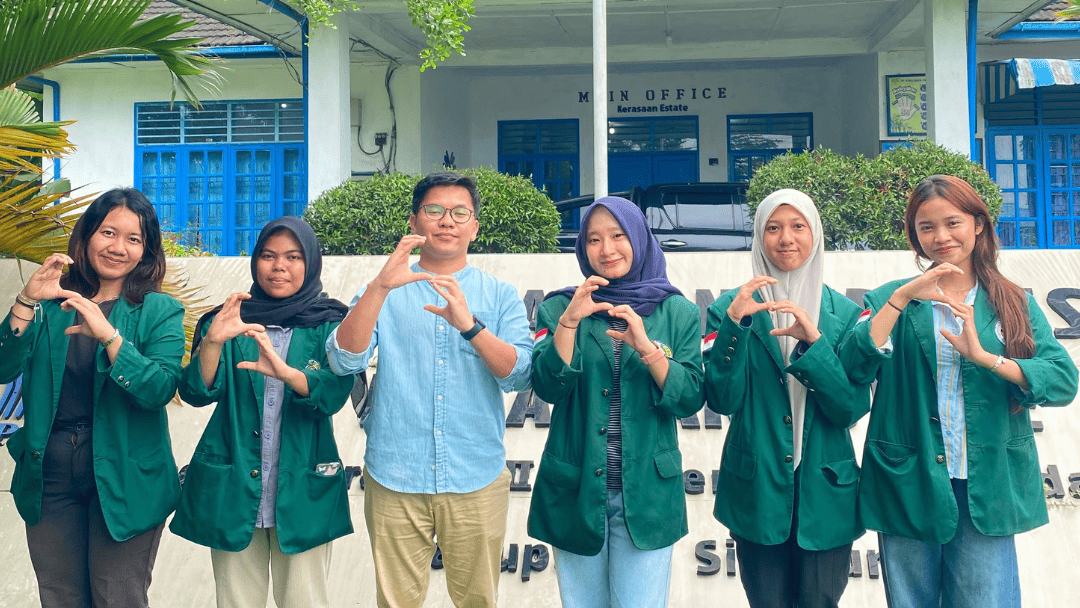
Collaboration between higher education institutions and industry, such as that established through PKL activities at PT Kerasaan Indonesia, is expected to continue serving as a bridge in preparing students who are not only academically excellent but also adaptive, skilled, and ready to contribute to the development of Indonesia's agricultural and plantation sectors. This effort also strengthens the contribution of higher education institutions to supporting SDG 4 (Quality Education), SDG 8 (Decent Work and Economic Growth), and SDG 17 (Partnerships for the Goals).