


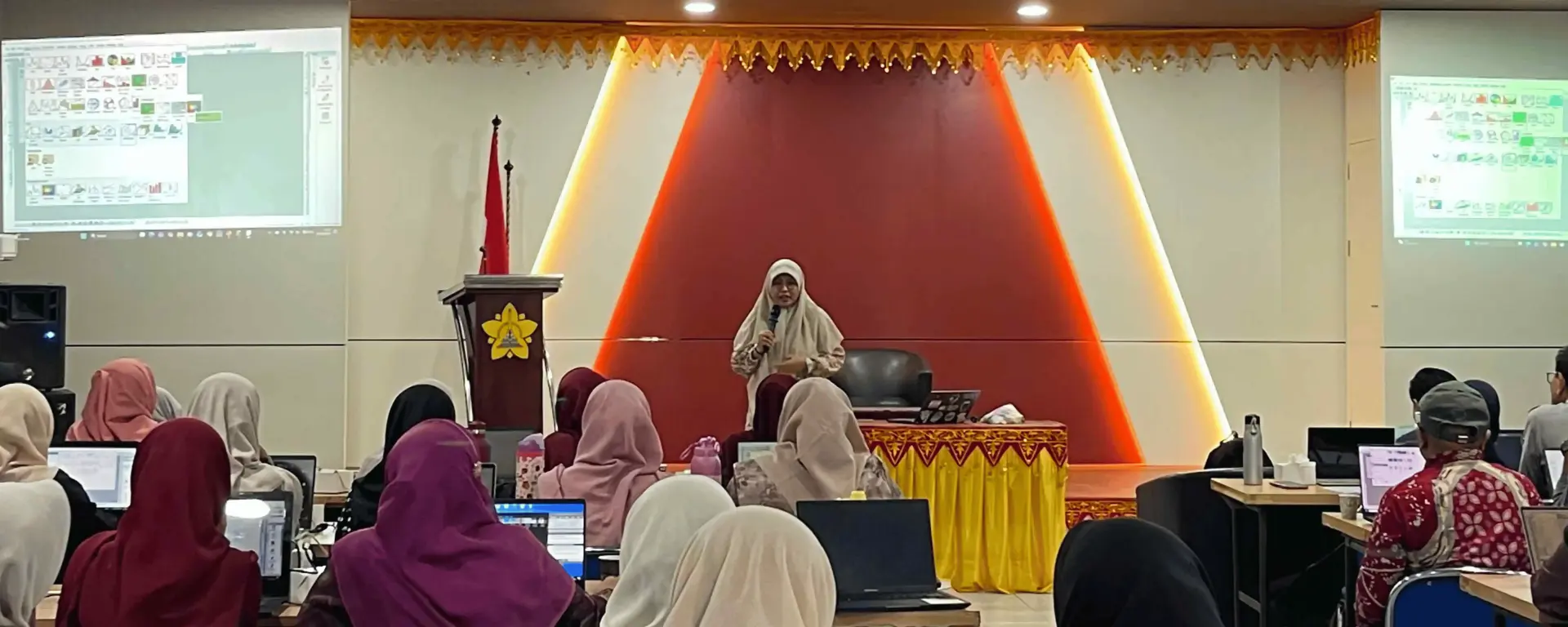
A lecturer from the Agricultural and Biosystems Engineering Study Program (TPB), Faculty of Agriculture, Universitas Sumatera Utara (USU), Dr. Adian Rindang, S.T.P., M.Si., was entrusted with serving as a speaker at the Origin Program Training in Statistical Data Analysis of Research Results Meeting Scopus Standards, organized by the Soil Science Study Program, Faculty of Agriculture, Universitas Syiah Kuala (USK).
The activity was held on Tuesday, October 20, 2026, at the Multipurpose Room, Faculty of Agriculture, Universitas Syiah Kuala, Banda Aceh. The appointment of Dr. Adian Rindang as a speaker was established through the Rector's Decree of Universitas Syiah Kuala Number 611/UN11.F5/KPT/2026, dated October 6, 2026.
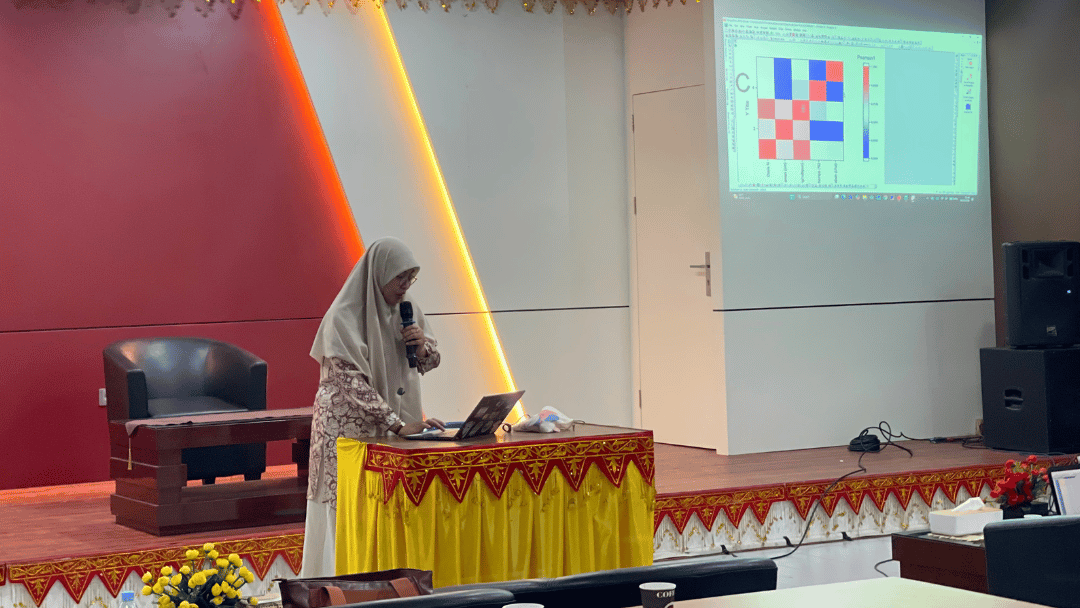
During the activity, Dr. Adian Rindang delivered material on the use of Origin software to support the processing and analysis of statistical data, as well as the visualization of scientific research results. The main topics covered in the training included an introduction to Origin's interface and main features, data analysis and scientific graph visualization, statistical data processing for publication purposes, and tips for producing high-quality graphs in accordance with the publication standards of reputable international journals indexed by Scopus.
Mastery of data processing and scientific visualization software is one of the important competencies in research activities. Accurate, informative, and systematic data presentation can help researchers interpret research results and communicate scientific findings more effectively. Through this training, participants are expected to improve their skills in processing research data and producing graph visualizations that meet international scientific publication standards.
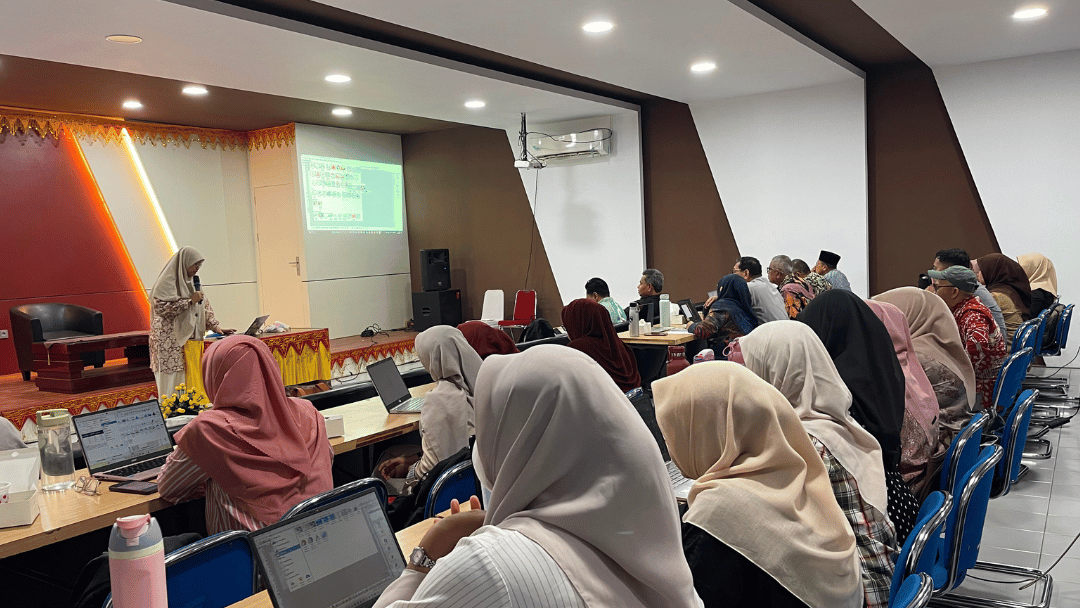
Dr. Adian Rindang's involvement as a speaker also represents the contribution of an academic from Universitas Sumatera Utara in sharing knowledge and expertise across universities. This activity also provides opportunities for exchanging experiences and strengthening academic networks between Universitas Sumatera Utara and Universitas Syiah Kuala, particularly in developing research capacity and improving the quality of scientific publications.
From a sustainable development perspective, this activity also supports the achievement of the Sustainable Development Goals (SDGs), particularly SDG 4 (Quality Education) through improvements in the capacity and competencies of academics in mastering research data processing and analysis technologies. This activity also contributes to SDG 9 (Industry, Innovation, and Infrastructure) through strengthening the use of technology and innovation in scientific research development. Furthermore, the lecturer's involvement as a speaker at another university aligns with SDG 17 (Partnerships for the Goals) through knowledge exchange, expertise sharing, and the strengthening of collaboration between higher education institutions.
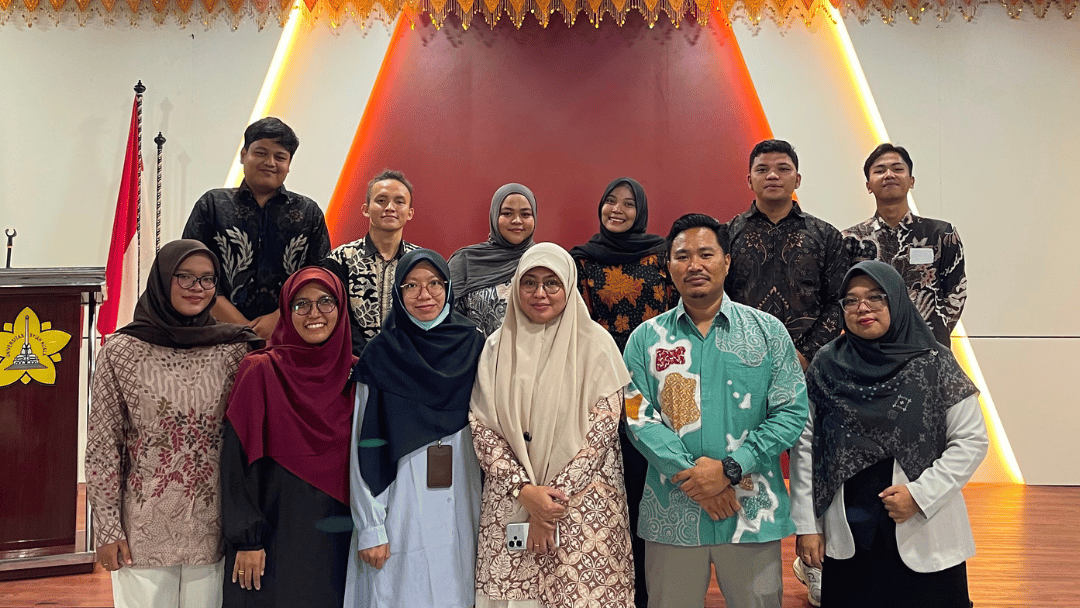
The participation of the USU TPB lecturer in this national-level academic activity reflects the commitment of the Agricultural and Biosystems Engineering Study Program, Faculty of Agriculture, USU, to continuously promote improvements in human resource quality, the development of research competencies, and the expansion of academic cooperation networks. This contribution is expected to have a positive impact on strengthening the research ecosystem and enhancing the competitiveness of higher education institutions in producing high-quality scientific publications at the international level.