


MEDAN — The increasingly dynamic agricultural sector offers a wide range of business and career opportunities, both nationally and internationally. This situation requires students to possess not only academic competencies but also practical knowledge of developments in the workplace, entrepreneurship opportunities, global markets, and the competencies needed to pursue careers in the agricultural sector.
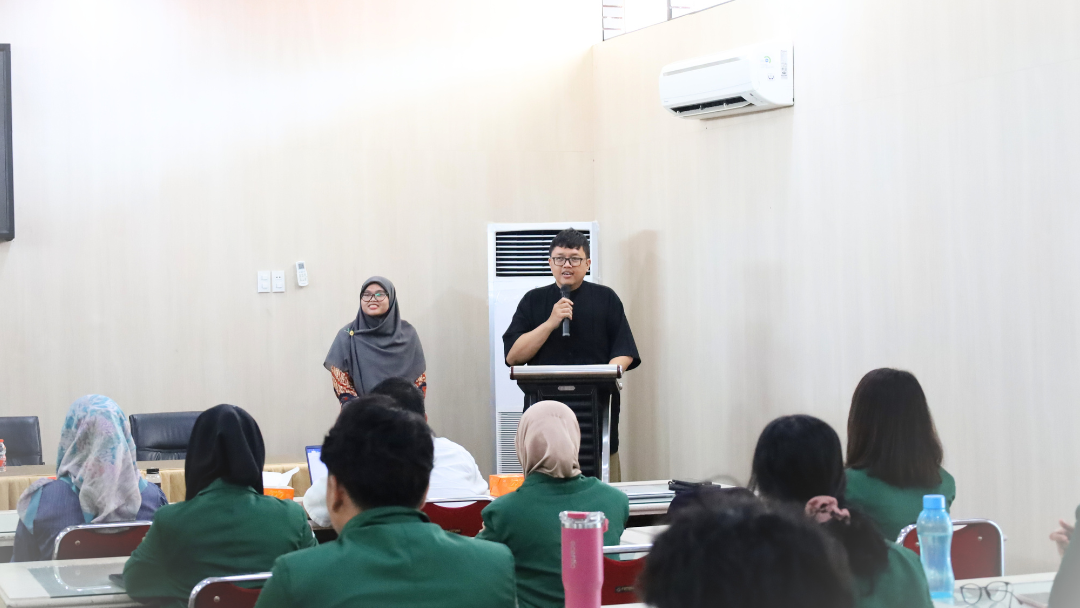
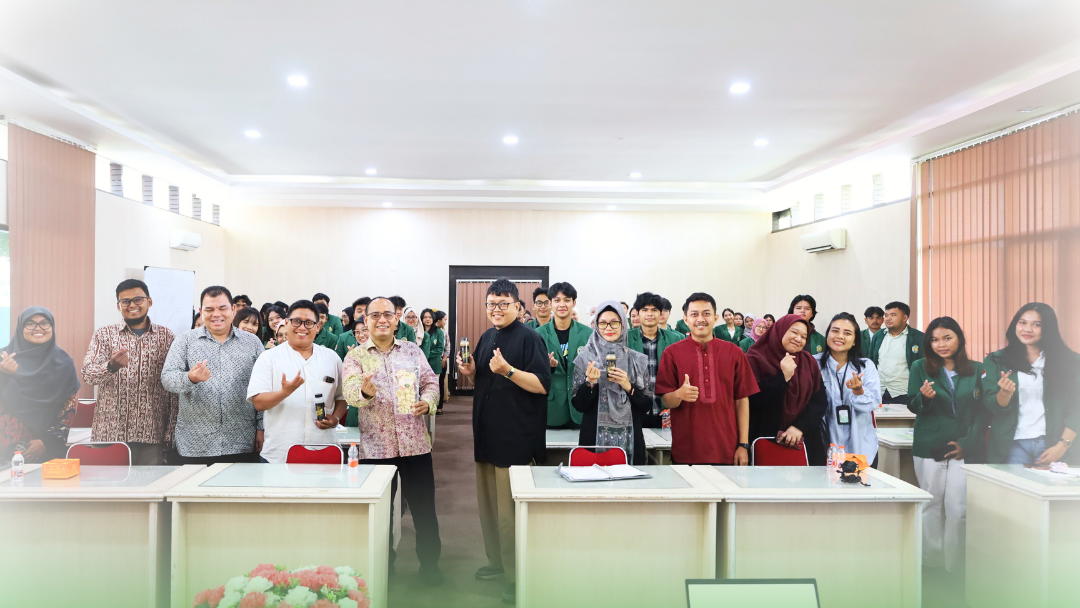
To broaden students’ perspectives and enhance their readiness to enter the workforce, the Undergraduate Agricultural and Biosystems Engineering (TPB) Study Program, Faculty of Agriculture, Universitas Sumatera Utara (FP USU), held a public lecture entitled “Export Business Opportunities and International Careers in Agricultural Engineering as an Entrepreneur” on Friday (August 21, 2026). The event was held from 8:00 to 10:00 a.m. WIB at the D.H. Penny Building, FP USU, featuring Titis Budi Prihatin, S.TP., M.M., Export Marketing Manager at CV Mandiri Kopi, as the speaker. The session was moderated by Putri Chandra Ayu, S.TP., M.Si., a lecturer in the Agricultural and Biosystems Engineering Study Program.
The event was attended by Lukman Adlin Harahap, S.TP., M.Si., Head of the Undergraduate TPB Study Program; Nazif Ichwan, S.TP., M.Si., Ph.D., Secretary of the Study Program; lecturers; and students of the Agricultural and Biosystems Engineering Study Program.
In his remarks, Lukman Adlin Harahap stated that one of the competencies expected of Agricultural and Biosystems Engineering graduates is the ability to become entrepreneurs. According to him, students need opportunities to gain practical insights so that these competencies can be developed and applied after completing their studies.
“One of the competencies of Agricultural and Biosystems Engineering graduates is entrepreneurship. Through events like this, we can open opportunities for students to gain such insights,” he said.
He added that the event provided students with opportunities to gain information and experience that could serve as valuable preparation for those interested in developing import-export businesses or pursuing international careers.
“Today, you will receive valuable and useful information should you be interested in starting an import-export business in the future or pursuing an international career,” he added.
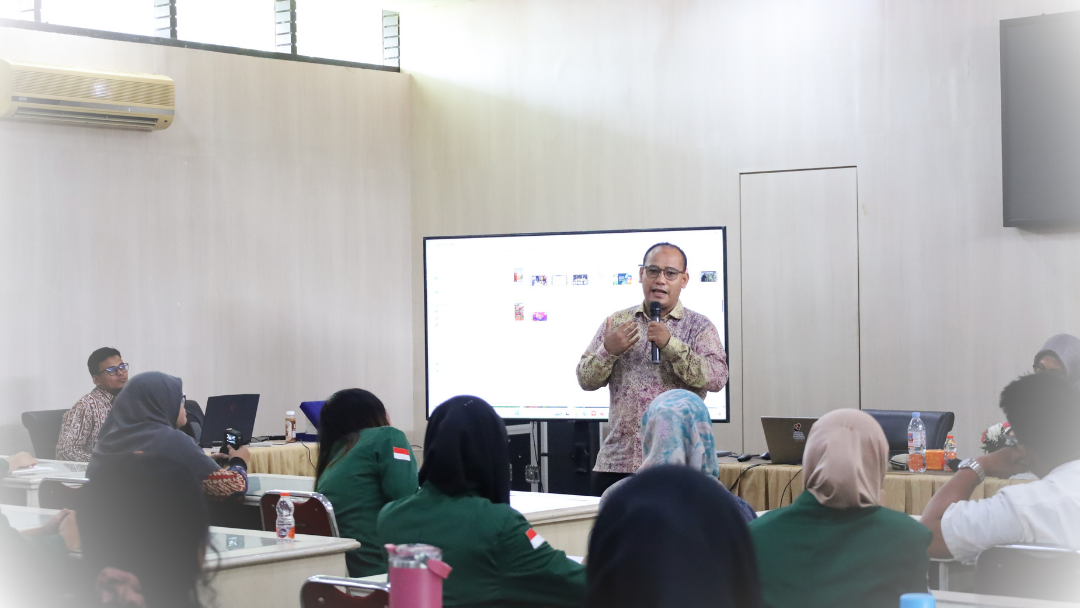
During the presentation, Titis Budi Prihatin shared practical knowledge and experience regarding export businesses, particularly in developing markets for coffee products. Students gained an overview of how to identify markets for products, the export process, export product requirements, and various preparations needed before entering international markets.
She also explained the importance of establishing a strong product and company identity, maintaining product hygiene and purity, and ensuring product quality meets market requirements. According to her, product readiness is an important factor in ensuring that products can be accepted by companies and consumers overseas.
In addition, students were encouraged to actively seek opportunities and build networks with potential international partners. One strategy discussed was regularly visiting and participating in product exhibitions. Through such events, business owners can introduce their products, establish business relationships, and gain a better understanding of the needs and characteristics of global markets.
Beyond the technical aspects of exporting, Titis also encouraged students to have the courage to start and remain persistent when facing challenges in building a business. Consistency, a willingness to keep learning, and perseverance are essential qualities, particularly during the early stages of establishing a business.
The event was part of FP USU’s efforts to provide learning experiences relevant to workforce needs while supporting the achievement of the Sustainable Development Goals (SDGs). In terms of SDG 4: Quality Education, the public lecture strengthened student learning through practical insights delivered directly by a business practitioner. Knowledge of entrepreneurship, exports, and career opportunities also supports SDG 8: Decent Work and Economic Growth, particularly by enhancing students’ readiness to enter the workforce and encouraging an entrepreneurial mindset.
The involvement of business practitioners in academic activities also reflects the implementation of SDG 17: Partnerships for the Goals by strengthening relationships between higher education institutions and industry. Such collaboration provides students with opportunities to understand real-world business needs and expand networks that can support their competency and career development in the future.
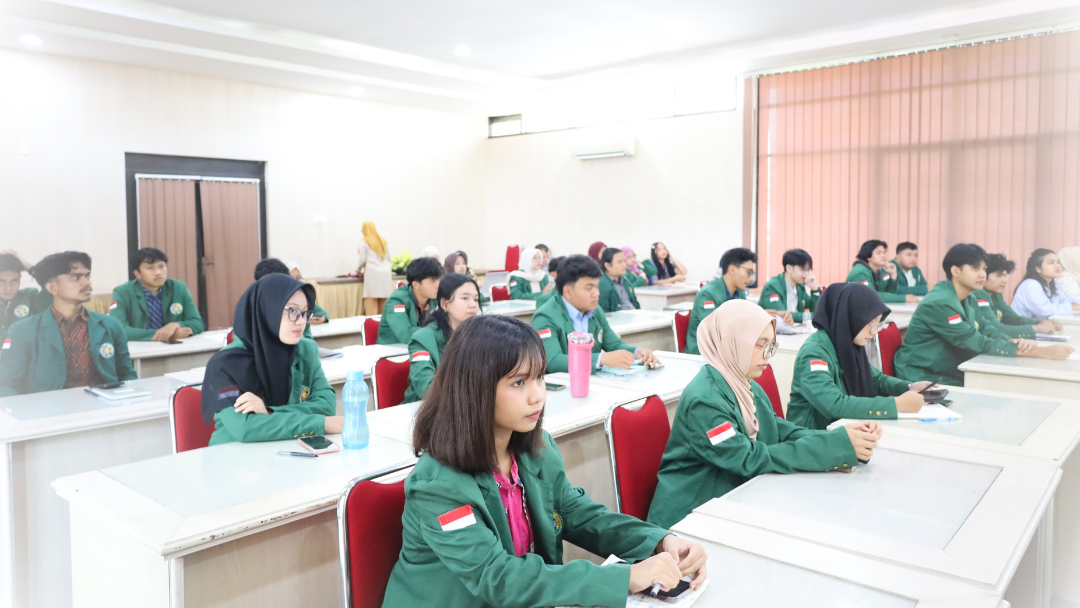
The public lecture was conducted interactively through a talk show and discussion session. Students had the opportunity to ask questions and learn from the speaker’s experience regarding market development, product readiness, export strategies, and career opportunities in the agricultural sector.
Through this activity, the Agricultural and Biosystems Engineering Study Program at FP USU continues to encourage students to develop competencies that are not only academically strong but also adaptable to developments in the business world and global markets. Insights into entrepreneurship and international business are expected to equip students with a broader perspective on the agricultural sector as an area with significant potential for business development and career opportunities at both national and international levels.