


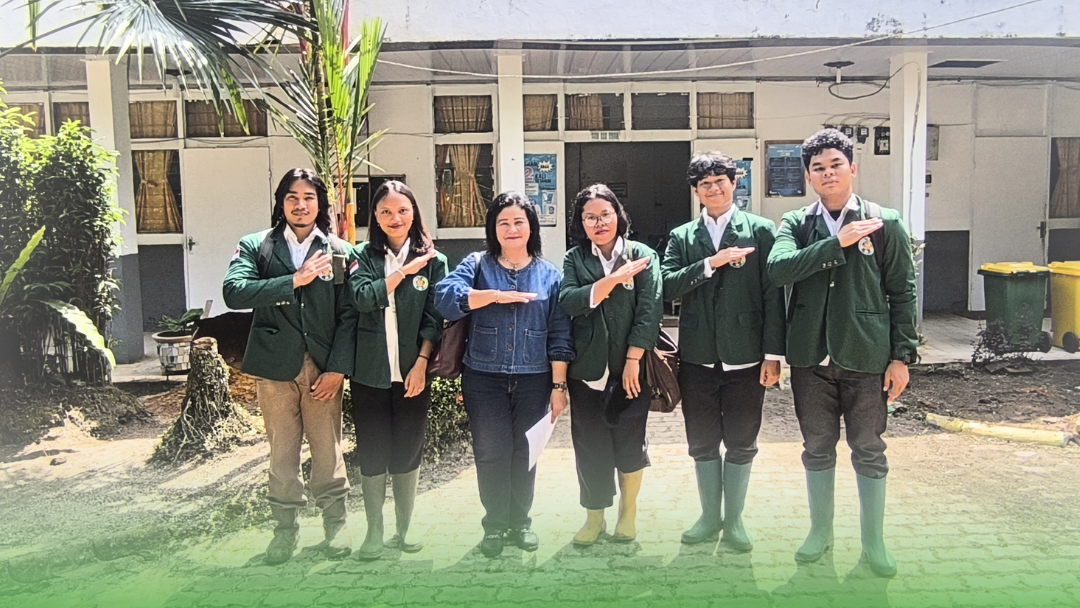
Students of the Agrotechnology Study Program, Faculty of Agriculture, Universitas Sumatera Utara (FP USU), undertook Field Work Practice (PKL) at PTPN IV Regional II Pasir Mandoge Plantation from July 1–31, 2026, as part of the implementation of experiential learning. The activity aimed to enhance students’ academic, technical, and professional competencies through direct experience in the oil palm plantation industry.
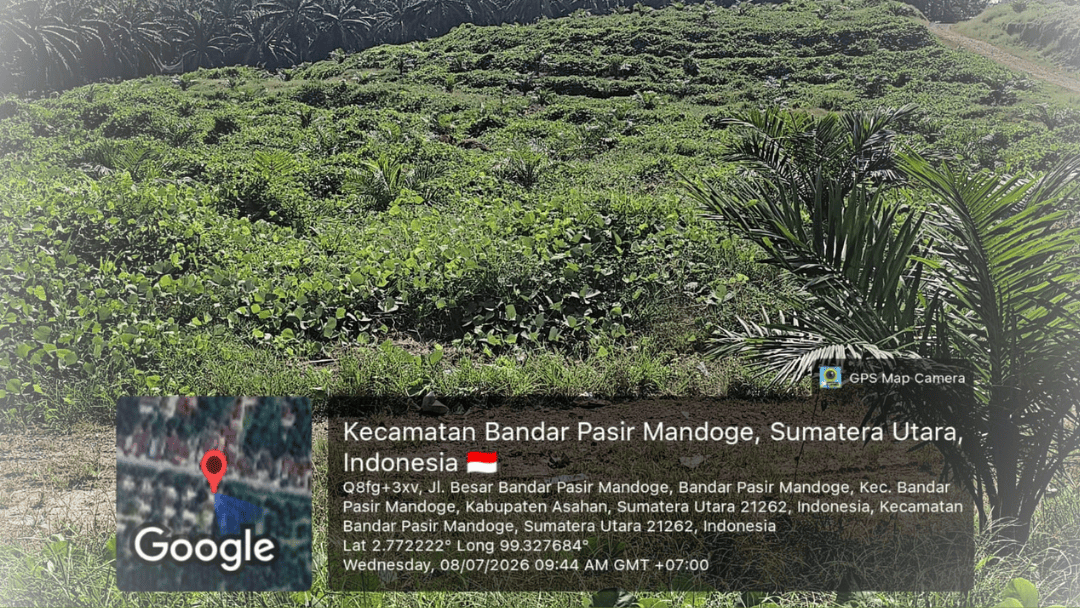
During the PKL, students had the opportunity to learn about integrated oil palm plantation management, from replanting and crop maintenance to processing at the Palm Oil Mill (PKS). This field-based learning provided a comprehensive overview of modern plantation business processes and management, serving as valuable preparation for students as they enter the workforce.
Students participated in various activities across several company work units, including Replanting (TU), Immature Plantations (TBM), Mature Plantations (TM), the Palm Oil Mill (PKS), and Land Application. Each unit provided different experiences, enabling students to gain a comprehensive understanding of the entire oil palm plantation management cycle.
At the Replanting unit, students learned about the stages of replanting, beginning with land preparation and the felling of old trees through to stem chipping. This activity provided an understanding of the importance of proper replanting planning in maintaining plantation productivity sustainably.
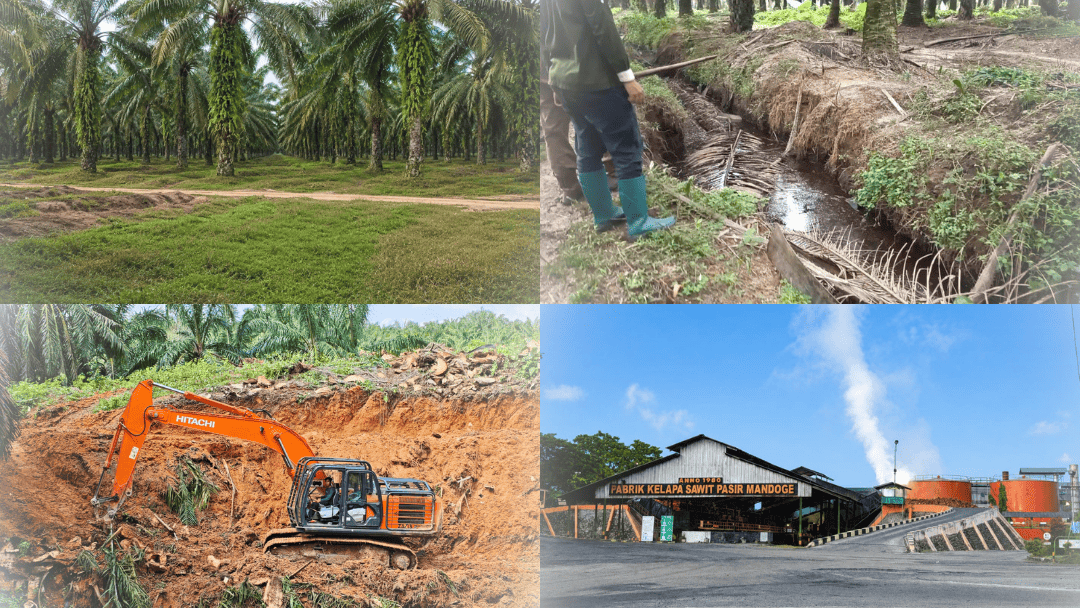
In the Immature Plantations (TBM) area, students participated in various crop maintenance activities, including mechanical and chemical weed control, fertilization, pest and disease management, and maintenance of young plants in accordance with company standard operating procedures. These experiences strengthened students’ understanding of the importance of crop management during the early stages of plant growth.
Meanwhile, in the Mature Plantations (TM) area, students participated in pruning, weed control, fertilization, plant census activities, crop condition monitoring, and harvesting of fresh fruit bunches (FFB). These activities provided practical experience in effective cultivation practices for maintaining productivity and harvest quality.
In addition to studying cultivation practices, students also gained experience at the Palm Oil Mill (PKS) by directly observing the processing of fresh fruit bunches into crude palm oil (CPO). The processes observed included FFB reception, sterilization, threshing, pressing, oil clarification, and CPO storage.
Students also observed the Land Application system, which involves the utilization of treated palm oil mill effluent (POME) as a nutrient source applied to plantation areas. This practice provided students with an understanding of the application of circular economy principles in the plantation industry while supporting more sustainable environmental management.
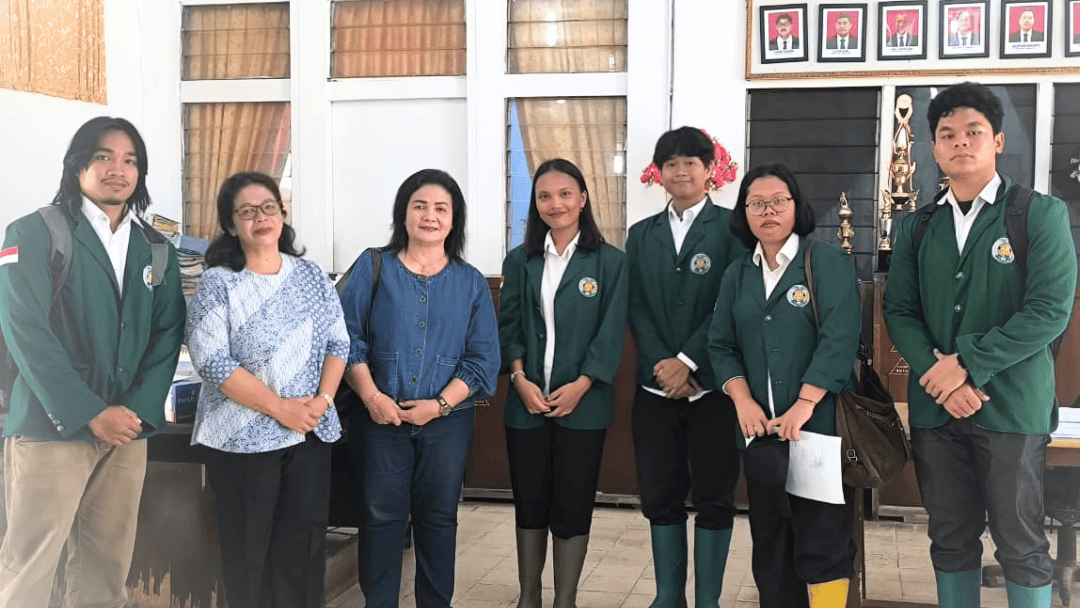
Throughout the PKL, students received academic supervision from their Field Supervisor, Dr. Ir. Posma Mangasi Pintaria Marbun, M.P. Through direct supervision at the plantation site, he provided guidance, mentoring, and evaluation regarding the application of agrotechnology knowledge in plantation practices. Students were also encouraged to uphold professional ethics, develop critical thinking skills, and analyze various technical and managerial aspects encountered throughout the program.
Meanwhile, field supervisors and staff at PTPN IV Regional II Pasir Mandoge Plantation provided guidance on the implementation of company standard operating procedures, occupational safety and health (OSH), and professional workplace culture in the plantation environment. Direct interaction with industry practitioners provided valuable experiences that broadened students’ understanding of how agrotechnology is applied in the industrial sector.
The Field Work Practice demonstrates the commitment of the Faculty of Agriculture, Universitas Sumatera Utara, to producing competent, adaptable graduates who are prepared to address the challenges of the modern agricultural sector. Through collaboration between higher education institutions and industry, students gain practical experience that bridges classroom learning with workplace demands while strengthening their technical skills, analytical abilities, and professionalism as future agronomists.
The activity also supports the achievement of the Sustainable Development Goals (SDGs), particularly SDG 4 (Quality Education) through practice-based competency development; SDG 2 (Zero Hunger) through learning about productive and sustainable plantation management; SDG 12 (Responsible Consumption and Production) through waste utilization and responsible resource management; SDG 15 (Life on Land) through cultivation practices that support the sustainability of plantation ecosystems; and SDG 17 (Partnerships for the Goals) through collaboration between the Faculty of Agriculture, USU, and PTPN IV Regional II Pasir Mandoge Plantation in developing high-quality human resources in agriculture and agroindustry.