


The Indonesian Sustainable Palm Oil System (ISPO) is a policy adopted by the Government of Indonesia, in this case the Ministry of Agriculture, with the aim of increasing the competitiveness of Indonesian palm oil in the world market and participating in fulfilling the commitment of the President of the Republic of Indonesia to reduce greenhouse gases and pay attention to environmental issues. ISPO was established in 2009 by the Indonesian government to ensure that all palm oil stakeholders meet the permitted agricultural standards. ISPO was the first national palm oil standard for a country, and other countries are now considering implementing similar standards among palm oil producers.
In 2020, the Government of Indonesia through Presidential Regulation No. 44 of 2020 stated that ISPO would not only apply to Large State Plantations and Large Private Plantations, but also to Smallholder Plantations. In reality, with limited knowledge and understanding of farmers, there are still very few farmers who know about ISPO certification. With these considerations, the Master of Agribusiness Study Program carried out community service activities for smallholders. This socialization is expected to help provide a complete understanding of ISPO certification which will become mandatory for smallholders within five years from the issuance of Presidential Regulation No. 44 of 2020.
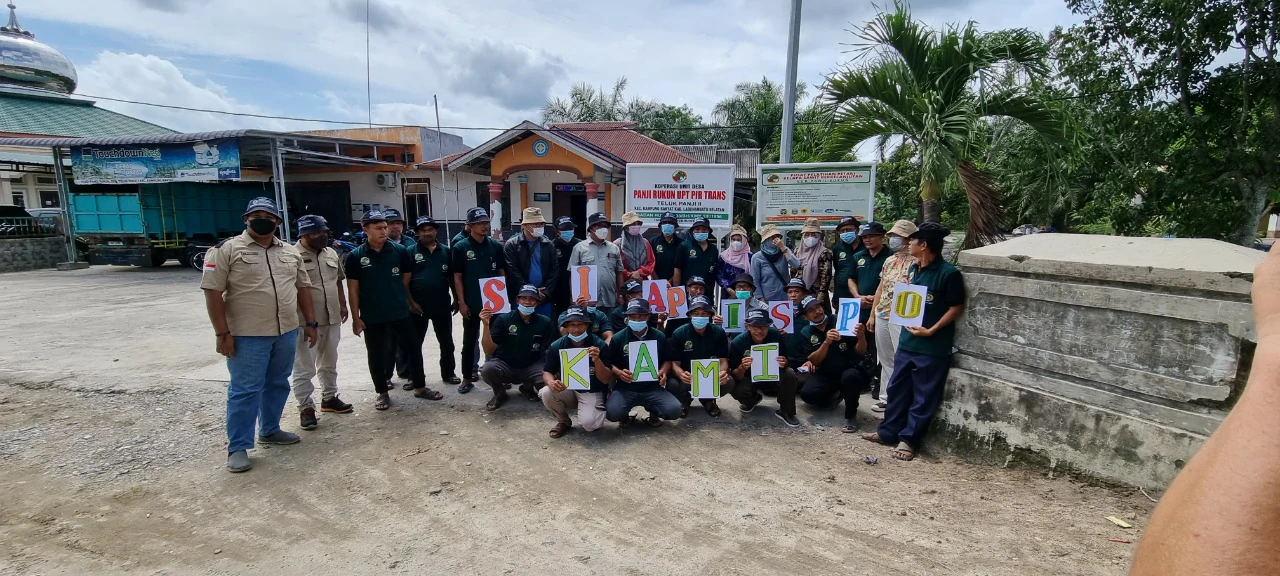
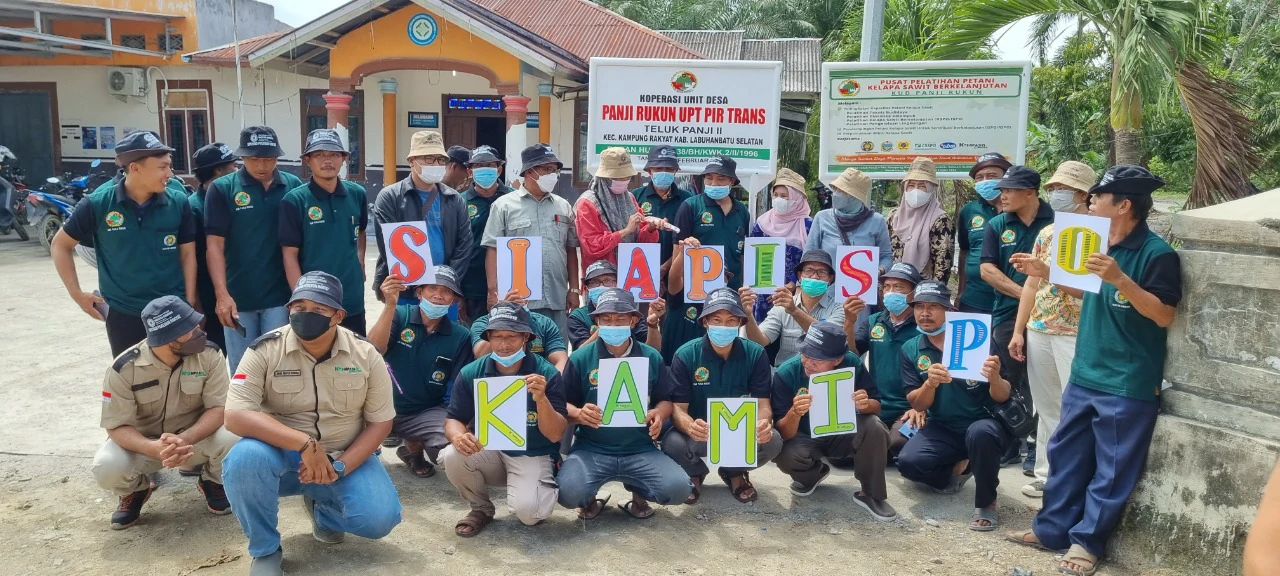
The event was attended by 28 smallholder members of KUD, PT ABM's partner companies, the government represented by the Head of the North Sumatra Provincial Plantation Office and the Head of the South Labuhanbatu District Plantation and Livestock Office, and NGOs assisting smallholders in preparing for certification.