


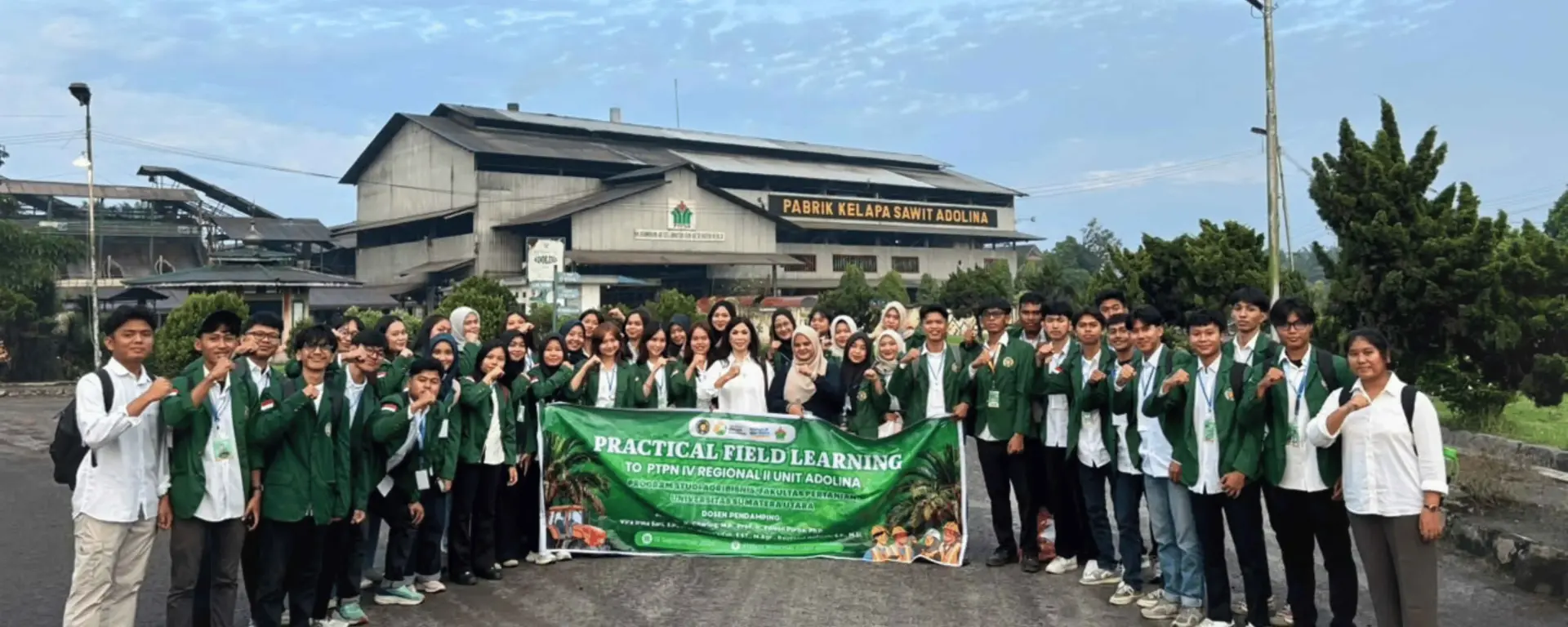
Medan, 17 September 2026 — In an effort to strengthen students' understanding of oil palm agribusiness practices, the Agribusiness Study Program, Faculty of Agriculture, Universitas Sumatera Utara (FP USU), conducted a field visit to PTPN IV Regional II Adolina Plantation and Mill Unit on Thursday, 17 September 2026. The activity aimed to complement the theoretical material students had studied in lectures through direct observation of oil palm cultivation, harvesting, and processing activities.
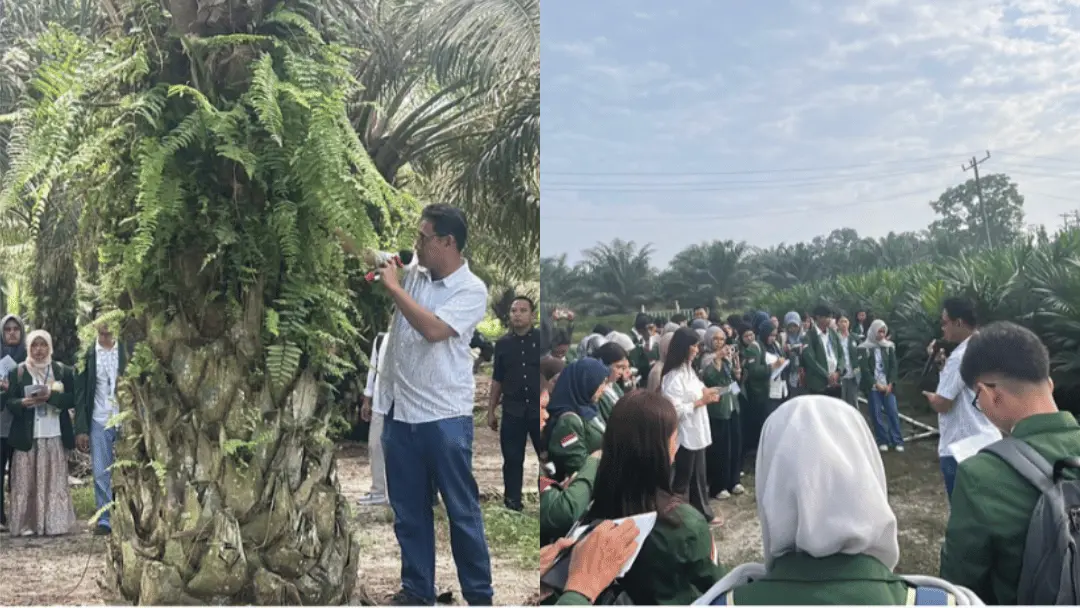
During lectures, students generally learn about various stages of oil palm management through books, photographs, and educational videos. Through this field visit, students had the opportunity to directly observe plantation conditions, plant maintenance techniques, and the processing of fresh fruit bunches (FFB) at the oil palm mill. This experience is expected to help students connect concepts learned in the classroom with their practical application in plantation operations and the oil palm industry.
The Agribusiness Study Program students were warmly welcomed by the management and staff of PTPN IV Regional II Adolina Unit. The visit was accompanied by Mr. Fithrian Dwi Susetyo and Mr. Muhammad Kevin Bramantyo, both serving as Chief Assistants; Mr. Jealsohn Nico Sinulingga, S.T.P., Mill Manager; Mr. Yasin, Mill Assistant; and other PTPN IV staff members who provided explanations throughout the visit. The accompanying lecturers from FP USU were Prof. Dr. Ir. Charloq, M.P., Vira Irma Sari, S.P., M.Si., Nursaadah, S.ST., M.Agr., and Rouzatul Nafisah, S.P., M.Si.
The visit covered three main aspects: nursery activities, the maintenance of immature plants (TBM) and mature plants (TM), and FFB processing at the oil palm mill. In the nursery area, students received explanations about seedling maintenance stages in the pre-nursery and main nursery, starting from sprout planting and seedling selection to watering and fertilization. Students were also introduced to the breeding of Elaeidobius kamerunicus, an oil palm pollinating insect that plays an important role in pollination and fruit formation. The presence of this insect supports an increase in fruit set, thereby contributing to the production potential of oil palm fruit bunches.
In the plantation area, students learned about TBM and TM maintenance practices, including herbicide spraying techniques for weed control and fertilizer application to support plant growth and productivity. In addition, students gained knowledge about estimating plant age based on the characteristics and number of fronds. Another interesting aspect was the introduction to drone technology to support plant census activities. The use of this technology gave students an overview of how digital innovation is applied in modern plantation management to make plant monitoring activities more effective and efficient.
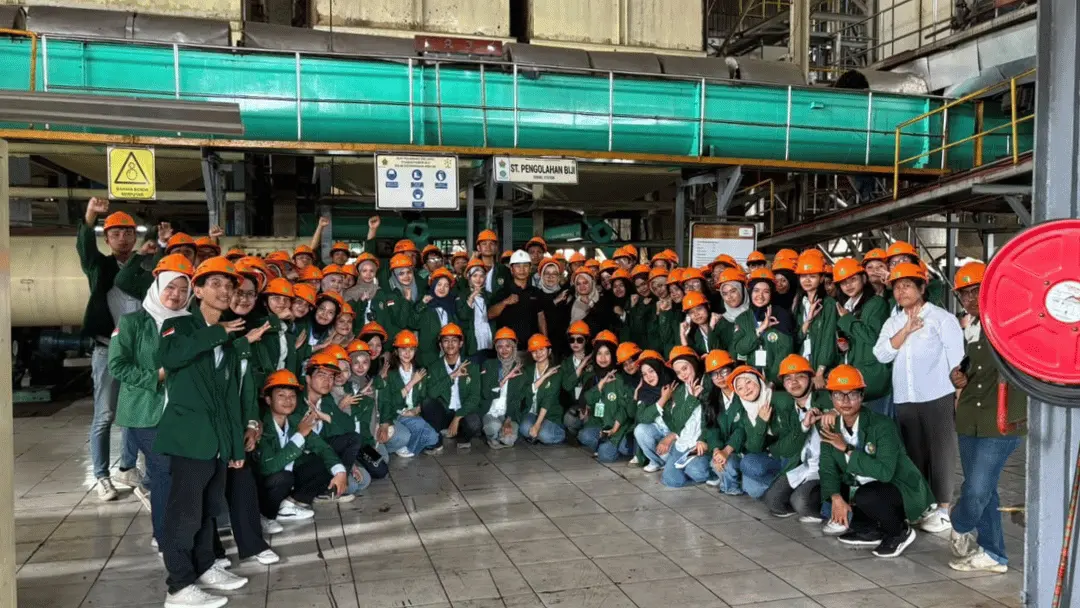
The visit continued to the oil palm mill, where students directly observed the FFB processing stages. They saw the processing activities at various stations, starting from fruit sterilization using rail-mounted cages, the separation of empty fruit bunches from the fruit, the processing of fruit into palm oil, and the handling of waste generated by mill operations. These observations provided an understanding of the relationship between the quality of raw materials from plantations, production process efficiency, processed product quality, and environmental management in the oil palm industry.
Through these activities, students not only gained technical knowledge about oil palm cultivation and processing but also observed how the various production stages are interconnected within an agribusiness system. This knowledge is an important foundation for Agribusiness students to understand production aspects, operational efficiency, technology utilization, and the sustainability of oil palm plantation and processing businesses.
This field visit provided significant benefits in broadening students' knowledge and experience. For students in Classes AGB 1 and AGB 2 of the 2025 cohort, the activity also marked their first field trip since enrolling in the Agribusiness Study Program. Direct interaction with plantation and mill practitioners gave students the opportunity to become familiar with professional working environments, observe the implementation of operational standards, and gain practical knowledge that complements classroom learning.
This activity also contributes to the achievement of the Sustainable Development Goals (SDGs), particularly SDG 4: Quality Education, through experiential learning and the strengthening of student competencies; SDG 9: Industry, Innovation and Infrastructure, through the introduction to drone technology and oil palm processing industry operations; and SDG 12: Responsible Consumption and Production, through learning about production process efficiency and mill waste management. Thus, the field visit was not only focused on improving academic knowledge but also encouraged students to understand the importance of innovation and sustainable agribusiness practices.
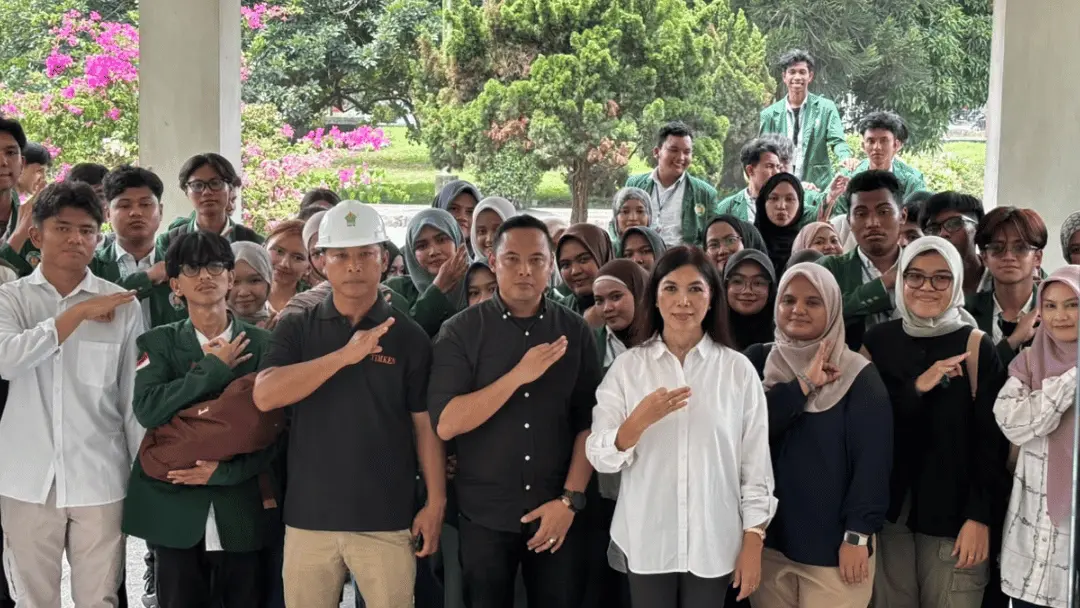
The USU Faculty of Agriculture expressed its appreciation and gratitude to PTPN IV Regional II Adolina Plantation and Mill Unit for the warm welcome, guidance, and learning opportunities provided to the students. Going forward, FP USU and PTPN IV are expected to continue collaborating and maintaining their partnership through various educational activities and field visits to improve the quality of student learning, particularly in gaining a comprehensive understanding of oil palm cultivation, plantation management, and the oil palm processing industry. This synergy between higher education institutions and industry is expected to support the development of competent and adaptable Agribusiness graduates who are ready to face the challenges of the plantation sector in the future.