


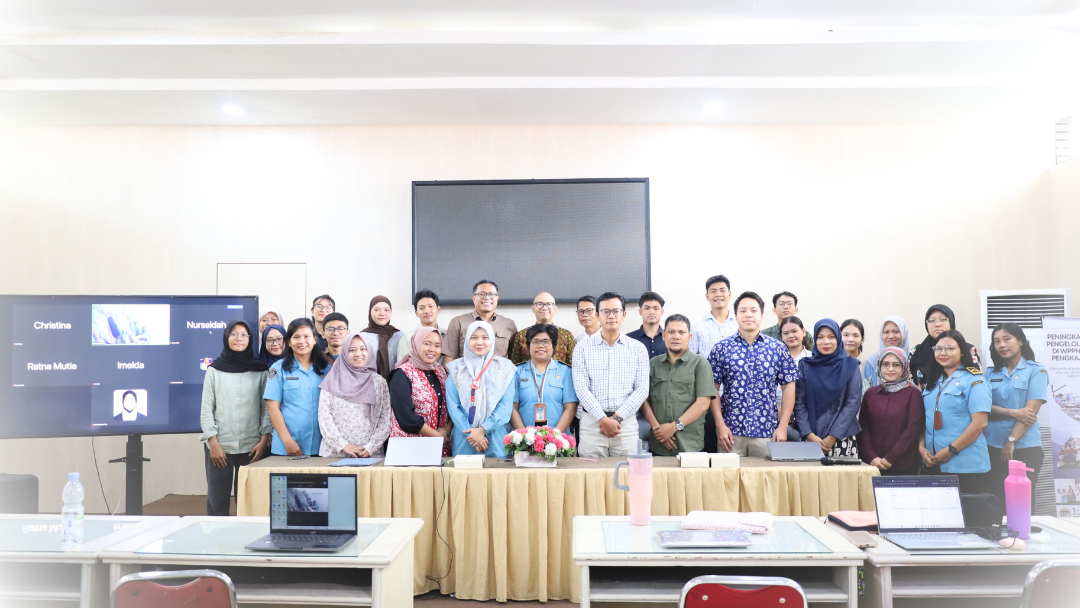
Medan, September 5, 2026 — The Aquatic Resources Management Study Program (MSP), Faculty of Agriculture, Universitas Sumatera Utara (FP USU), together with various stakeholders, strengthened collaboration to support sustainable fisheries resource management through a Fish Stock Assessment activity in the Fisheries Management Area of the Republic of Indonesia (WPPNRI) 571. The three-day activity was held from September 1–3, 2026, at the DH Penny Building, FP USU.
The activity involved representatives from universities, government institutions, research institutions, conservation organizations, and fisheries stakeholders, including FP USU, Marine Stewardship Council (MSC) Indonesia, the WPPNRI 571 Fisheries Management Unit (UPP), Belawan Ocean Fishing Port (PPS Belawan), the National Research and Innovation Agency (BRIN), Yayasan Konservasi Alam Wisata, as well as speakers, facilitators, lecturers, and students from the MSP Study Program, FP USU.
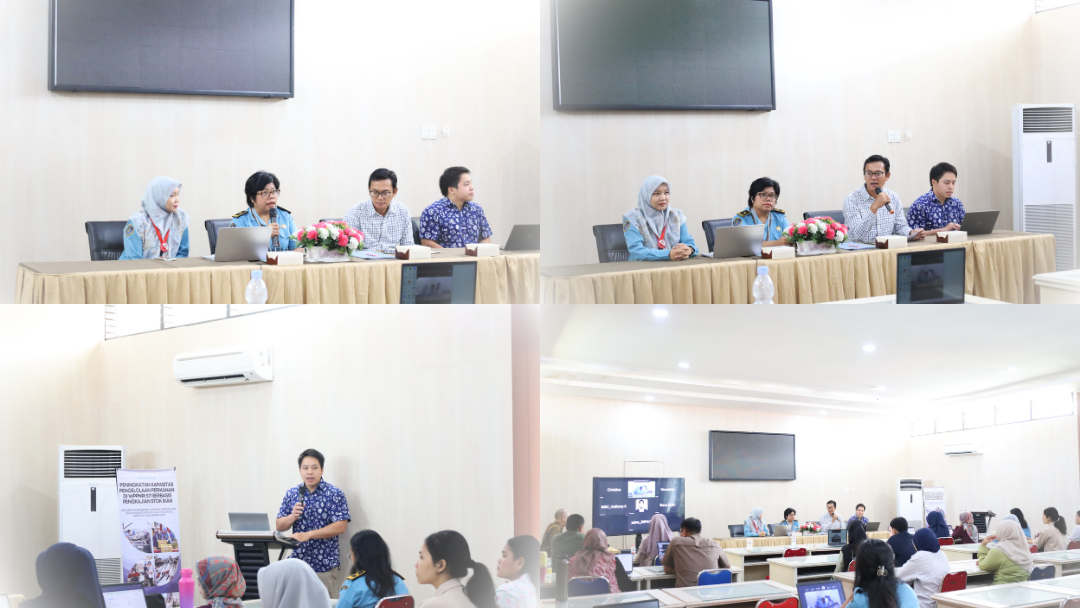
In his remarks, Dean of FP USU Dr. Rulianda Purnomo Wibowo stated that FP USU has a broad academic scope, covering not only agriculture but also fisheries and animal husbandry. This is reflected in the six study programs under FP USU: Agribusiness, Agrotechnology, Animal Science, Food Technology, Agricultural and Biosystems Engineering, and Aquatic Resources Management.
The Dean also explained that the MSP Study Program is the newest study program at FP USU but has demonstrated rapid development. He expressed hope that the activity would not merely serve as a workshop forum but could develop into sustainable collaboration in research, assessment, and scientific development that would benefit the management of aquatic resources.
“Each institution has its respective role. Our role is to provide input based on studies that can later be utilized by government institutions in formulating policies,” the Dean stated.
He emphasized that the utilization of natural resources must consider the balance between the level of exploitation and the ability of resources to recover. Environmental and aquatic resource conditions are also dynamic, meaning that assessments need to be conducted continuously.
“If the fishing capacity exceeds the environment’s ability to regrow, the result will be unsustainability. Therefore, assessments such as this need to be conducted continuously throughout the year,” he added.
Meanwhile, a representative of MSC Indonesia explained that the activity was conducted as part of efforts to address the relatively low performance of several indicators related to fisheries management and fish resource distribution in Sumatra compared with eastern Indonesia. Capacity building through collaboration among stakeholders is expected to support efforts to improve fish resource management in the region.
Head of Belawan Ocean Fishing Port, Widodo, S.Pi., M.Sc., representing the Executive Coordinator of UPP WPPNRI 571, Mutiara Paramita Tarigan, S.St.Pi., M.Pi., stated that the availability of information regarding the condition of fish stocks is essential to achieving sustainable fisheries management.
According to him, stock assessments are necessary to determine the condition of fish resources, their level of utilization, and various factors that may affect the sustainability of fish populations. The assessment results are expected to serve as a scientific basis for formulating fisheries management policies, enabling resources to be utilized optimally and measurably while considering carrying capacity and ecosystem sustainability.
He also emphasized the importance of synergy among the government, research institutions, universities, fishers, businesses, and all other stakeholders in establishing data- and science-based fisheries management practices.
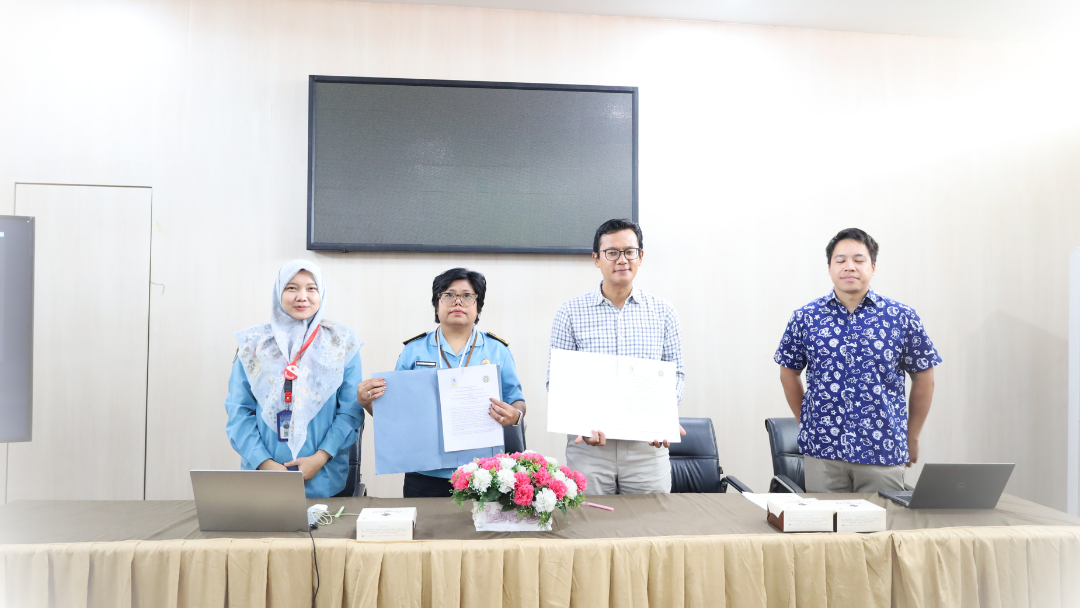
Signing of the MoA between FP USU and PPS Belawan
As part of the first day’s activities, FP USU and Belawan Ocean Fishing Port (PPS Belawan) also conducted the signing of a Memorandum of Agreement (MoA). The agreement was signed by the Dean of FP USU and the Head of PPS Belawan or their representative.
The collaboration represents one of the steps toward strengthening synergy between higher education institutions and fisheries management institutions. Through this partnership, opportunities are expected to emerge for developing educational activities, research, assessments, and knowledge exchange related to fisheries resource management.
Following the opening ceremony and MoA signing, the activity continued with a technical session on the stock assessment of squid fisheries in WPPNRI 571. Participants received materials on stock assessment models, data preparation and verification, data finalization, selection of prior analysis, and data processing using the JABBA and cMSY methods.
On the second day, the activity continued with discussions on the basic concepts of fish stock assessment, data requirements, fisheries stock assessment methods, and the formation of groups based on commodities for which sufficient data were available.
Participants were also introduced to R and RStudio as tools for data processing in fish stock assessments. The session continued with hands-on group analysis of fish stock assessment data under the guidance of facilitators.
On the third day, participants finalized their analysis results and presented their group findings for further discussion. The session continued with the interpretation of stock assessment results, covering stock status, resource potential, and the Total Allowable Catch (TAC).
The discussions also covered the utilization of stock assessment results in developing a harvest strategy and harvest control rules, as well as a case study on squid stock assessment in WPPNRI 571. The activity then continued with the formulation of stock assessment recommendations to serve as considerations in fisheries resource management in WPPNRI 571.
Through this activity, the MSP Study Program, FP USU, continues to strengthen the role of higher education institutions in producing scientific assessments and data-based recommendations that can support policymaking in the fisheries sector. Cross-sectoral collaboration is expected to encourage the optimal and measurable utilization of fish resources while maintaining ecosystem sustainability.
The activity also aligns with the commitment to the Sustainable Development Goals (SDGs), particularly SDG 14: Life Below Water through efforts to promote sustainable fisheries resource management, and SDG 17: Partnerships for the Goals through strengthened collaboration among universities, government institutions, research institutions, conservation organizations, and other stakeholders.