


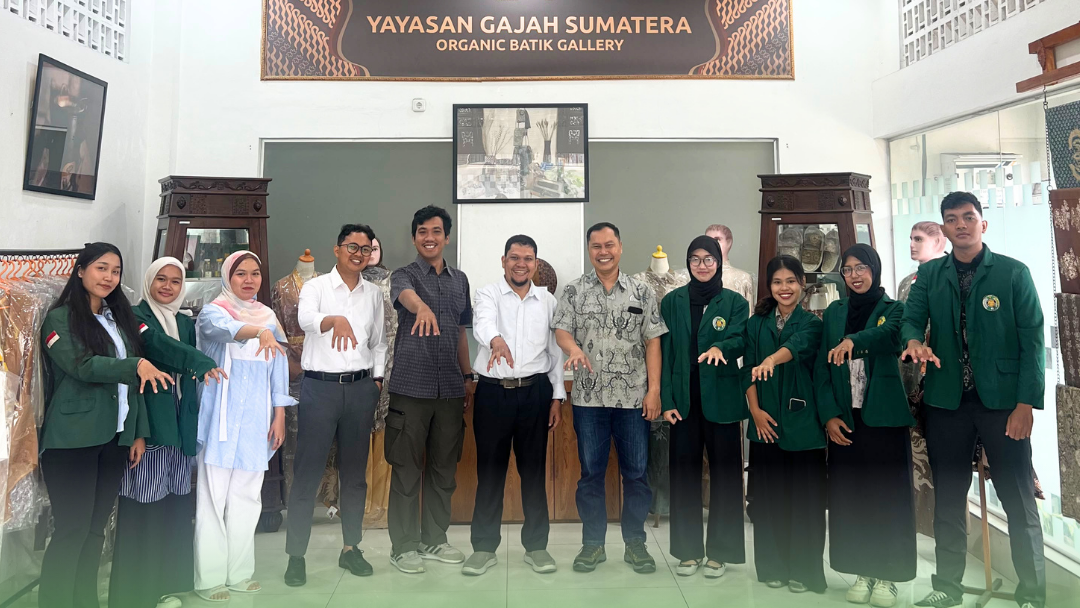
Medan — Head of the Aquatic Resources Management Study Program (MSP), Faculty of Agriculture, Universitas Sumatera Utara, Dr. Ahmad Muhtadi, S.Pi., M.Si., officially sent off students to participate in the Learning Outside the Study Program (PLPS) at YAGASU. The activity is part of field-based learning designed to strengthen students’ competencies in the sustainable management of aquatic resources and coastal ecosystems.
In his remarks, Dr. Ahmad Muhtadi stated that the PLPS activity provides an important opportunity for students to integrate the knowledge gained during their studies with real-world work experience in the field. Through this activity, students are expected to learn about environmental management practices, coastal ecosystem conservation, mangrove rehabilitation, community empowerment, and participatory natural resource governance.
“Students should make the most of this activity as an opportunity to learn, adapt, and develop their professional skills. Uphold the good name of the MSP Study Program, Faculty of Agriculture, and Universitas Sumatera Utara by demonstrating discipline, ethics, responsibility, and the ability to work collaboratively,” said Dr. Ahmad Muhtadi.
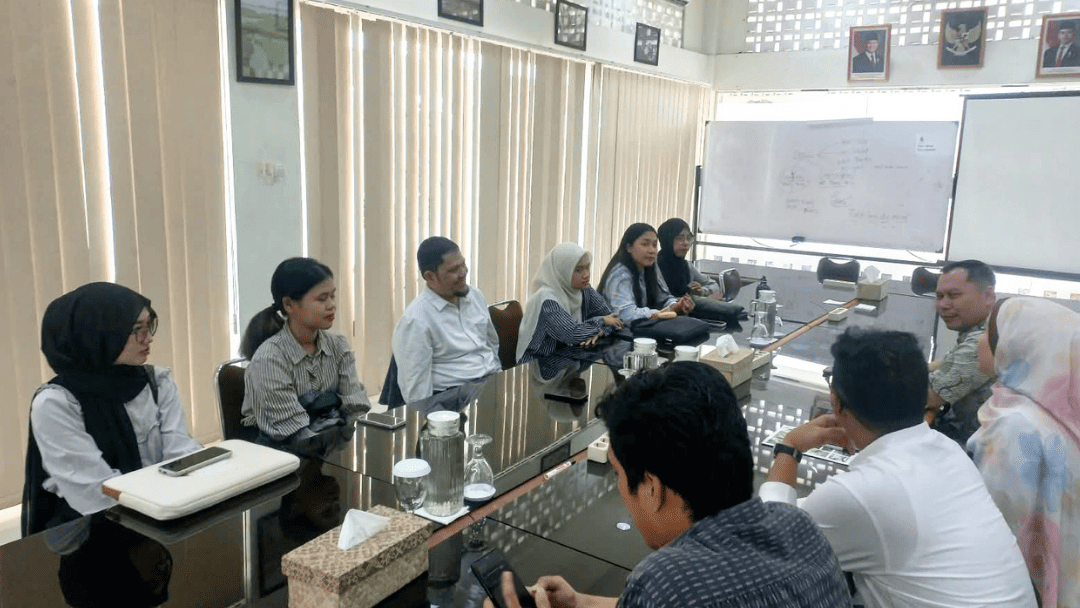
The Head of the MSP Study Program, USU, also emphasized that students are expected to possess not only academic abilities but also communication, leadership, problem-solving, and cross-disciplinary teamwork skills. The learning experience with YAGASU is expected to strengthen students’ understanding of the relationship between ecosystem conservation, community well-being, and the sustainable utilization of aquatic resources.
YAGASU Committed to Strengthening Collaboration with USU
YAGASU Director Anton Syahputra Siregar, M.Si., welcomed the MSP USU students and expressed the organization’s commitment to continuously strengthening institutional relations with Universitas Sumatera Utara. The collaboration is expected to extend beyond the implementation of PLPS and be further developed through student internships, joint research, community service, capacity building, and various other environmental conservation activities.
“YAGASU is committed to continuing and developing cooperation with Universitas Sumatera Utara, both through student internship activities and other relevant programs. We hope this collaboration can provide broader learning opportunities for students while generating meaningful contributions to environmental conservation and community empowerment,” said Anton Syahputra Siregar.
According to Anton, the involvement of students and higher education institutions is important in supporting science-based conservation programs. Students can contribute academic perspectives, an innovative spirit, and new ideas, while field activities provide practical experience that cannot be fully obtained through classroom learning.
This commitment opens opportunities for the development of a more structured and sustainable partnership between YAGASU and USU. Future collaboration may focus on regular internships, collaborative research, environmental database development, coastal ecosystem rehabilitation, community education, and the development of sustainable natural resource management models.
Strengthening Learning Beyond Campus
The implementation of PLPS at YAGASU represents an implementation of learning beyond campus that provides students with contextual experiences. During the activity, students had the opportunity to gain insight into the social and ecological conditions of the work area, identify challenges in coastal resource management, and participate in various activities supporting environmental protection and community empowerment.
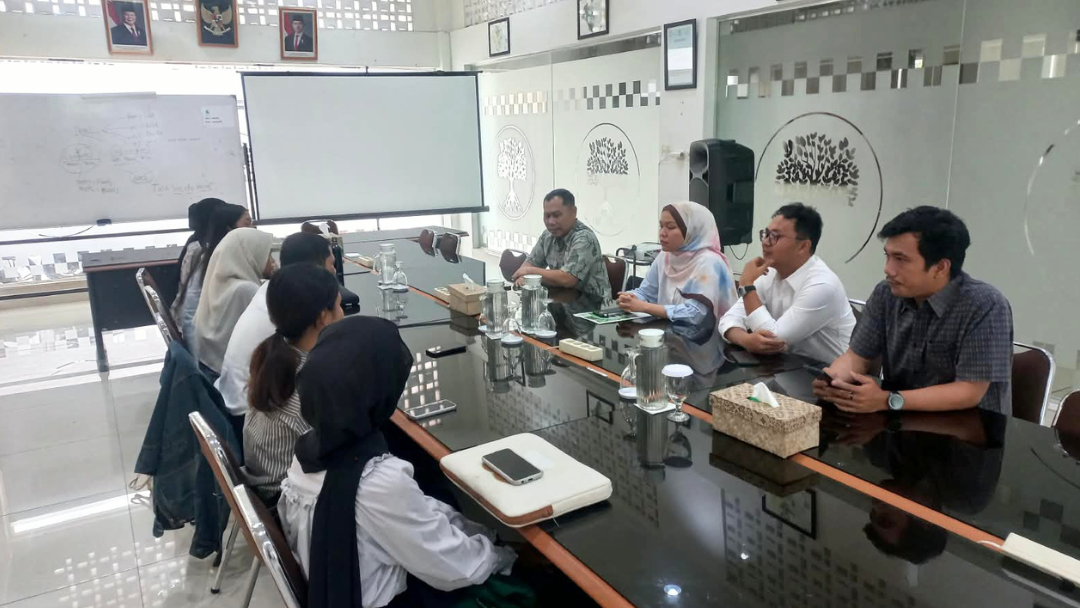
Through interactions with practitioners and communities, students are expected to gain an understanding that aquatic resource management requires an integrated approach. Ecological, social, economic, institutional, and policy aspects must be considered together when formulating solutions to various environmental challenges.
The activity also serves as an opportunity for the MSP Study Program, USU, to strengthen its partnership network with organizations working in conservation and community empowerment. Such collaboration supports the provision of higher education that is adaptive, relevant to workplace needs, and oriented toward addressing real-world challenges.
Supporting the Achievement of the SDGs
The PLPS activity and strengthened partnership between USU and YAGASU contribute to the achievement of several Sustainable Development Goals (SDGs), particularly:
- SDG 4 – Quality Education, through field-based learning, internships, and the development of students’ professional competencies.
- SDG 6 – Clean Water and Sanitation, through support for the protection and restoration of ecosystems associated with water resources.
- SDG 13 – Climate Action, through strengthening understanding of the role of coastal and mangrove ecosystems in climate change mitigation and adaptation.
- SDG 14 – Life Below Water, through activities supporting the conservation, rehabilitation, and sustainable utilization of coastal and marine resources.
- SDG 15 – Life on Land, particularly through biodiversity protection and the restoration of degraded ecosystems.
- SDG 17 – Partnerships for the Goals, through collaboration between higher education institutions and partner organizations in education, research, conservation, and community empowerment.
At the end of the send-off event, the Head of the MSP Study Program, USU, expressed hope that all students would participate in the PLPS activities wholeheartedly and gain valuable experiences, knowledge, and insights that could contribute to meaningful recommendations. Students are also expected to serve as ambassadors of the study program by demonstrating integrity, professionalism, environmental awareness, and a spirit of collaboration.
Through this activity, the MSP Study Program, Faculty of Agriculture, USU, and YAGASU reaffirm their shared commitment to developing partnerships that benefit students, institutions, communities, and environmental conservation.