


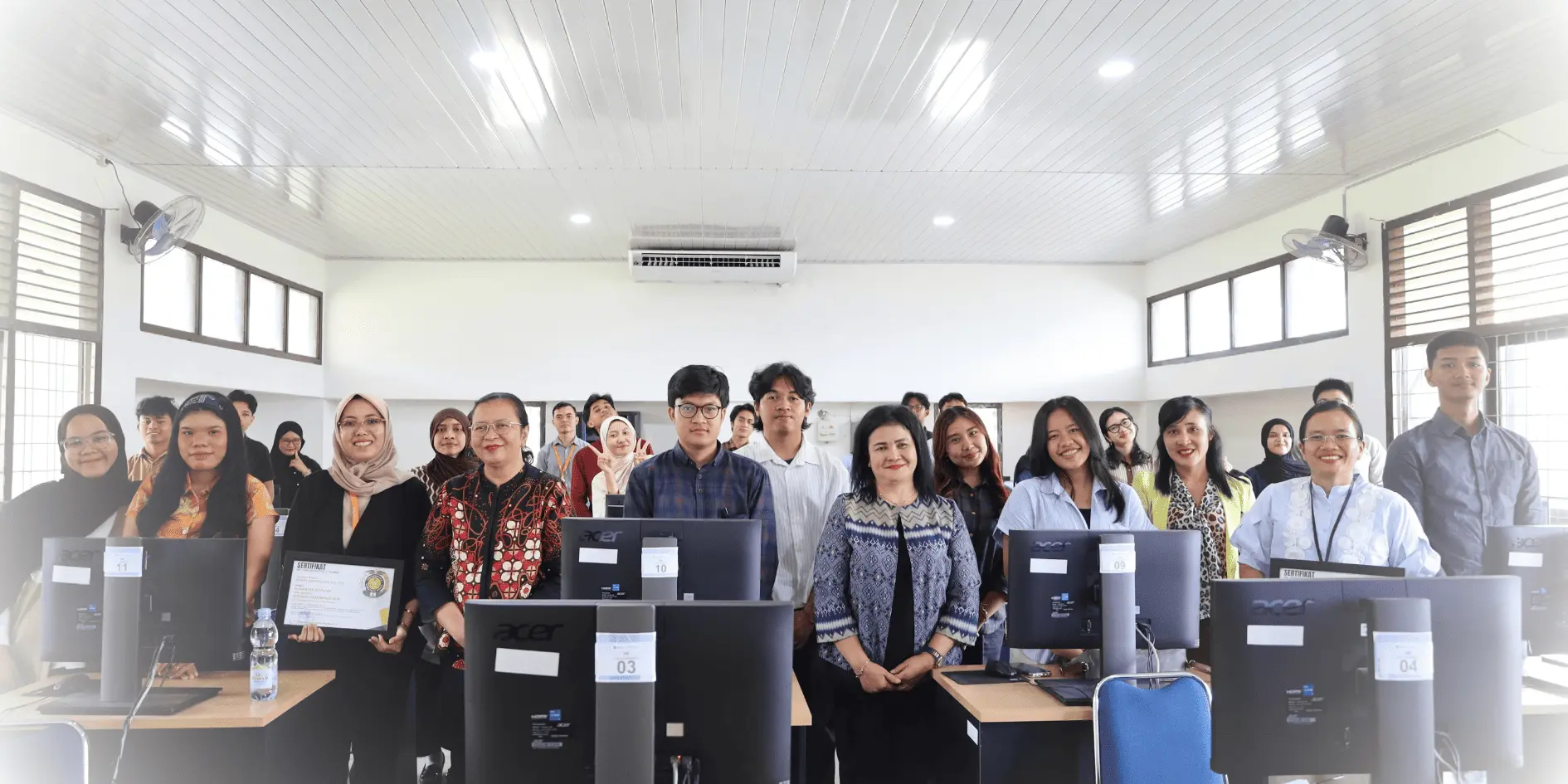
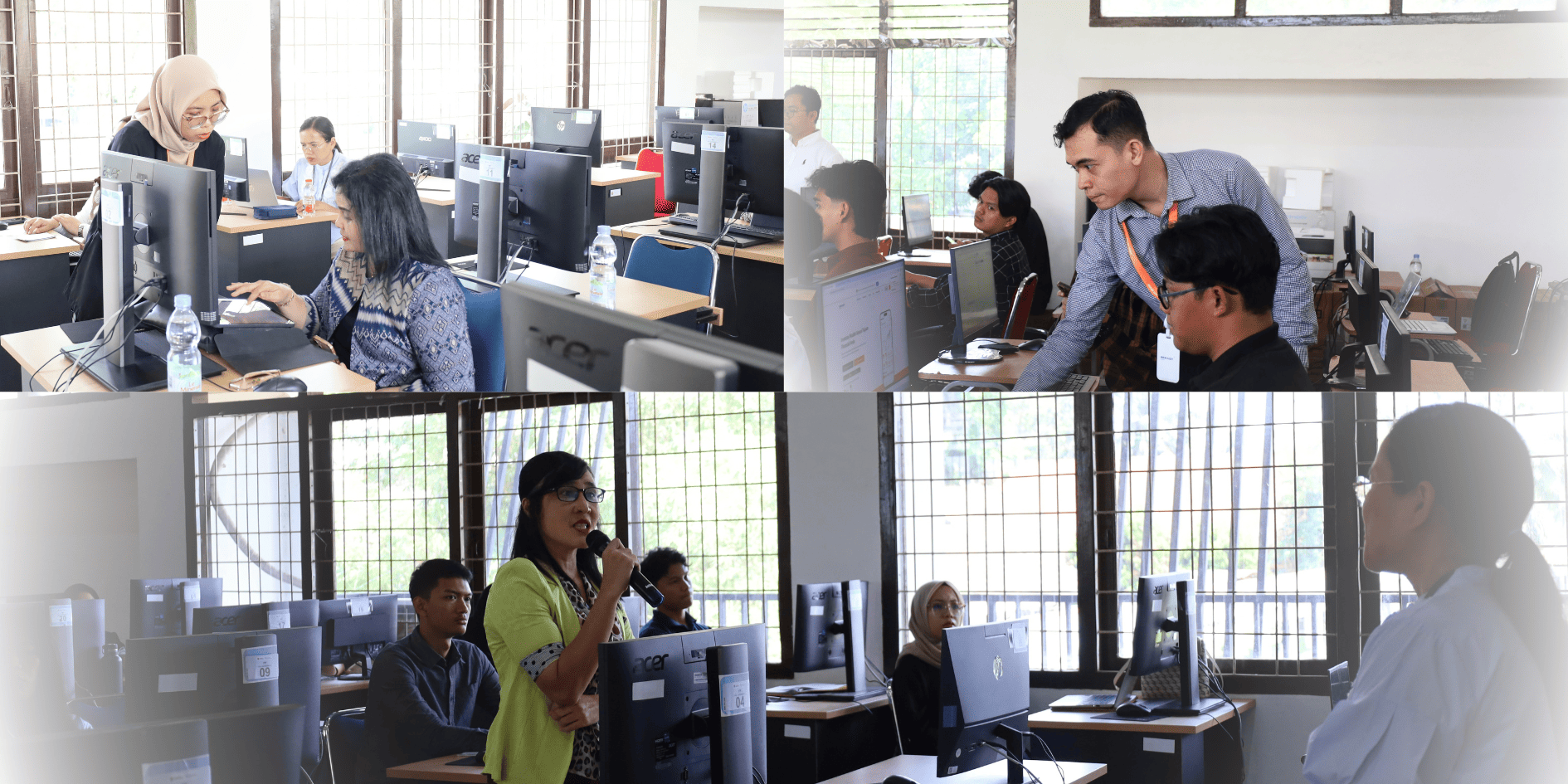
Medan – The Undergraduate Program in Agribusiness, Faculty of Agriculture, Universitas Sumatera Utara (FP USU), once again organized the Level 2 Capital Market School on Monday, September 21, 2026, at the Computer Laboratory of the Undergraduate Program in Agribusiness, Faculty of Agriculture, USU. The activity, which started at 09.00 WIB, continued the Level 1 Capital Market School with more practical learning oriented toward analytical skills and investment practices.
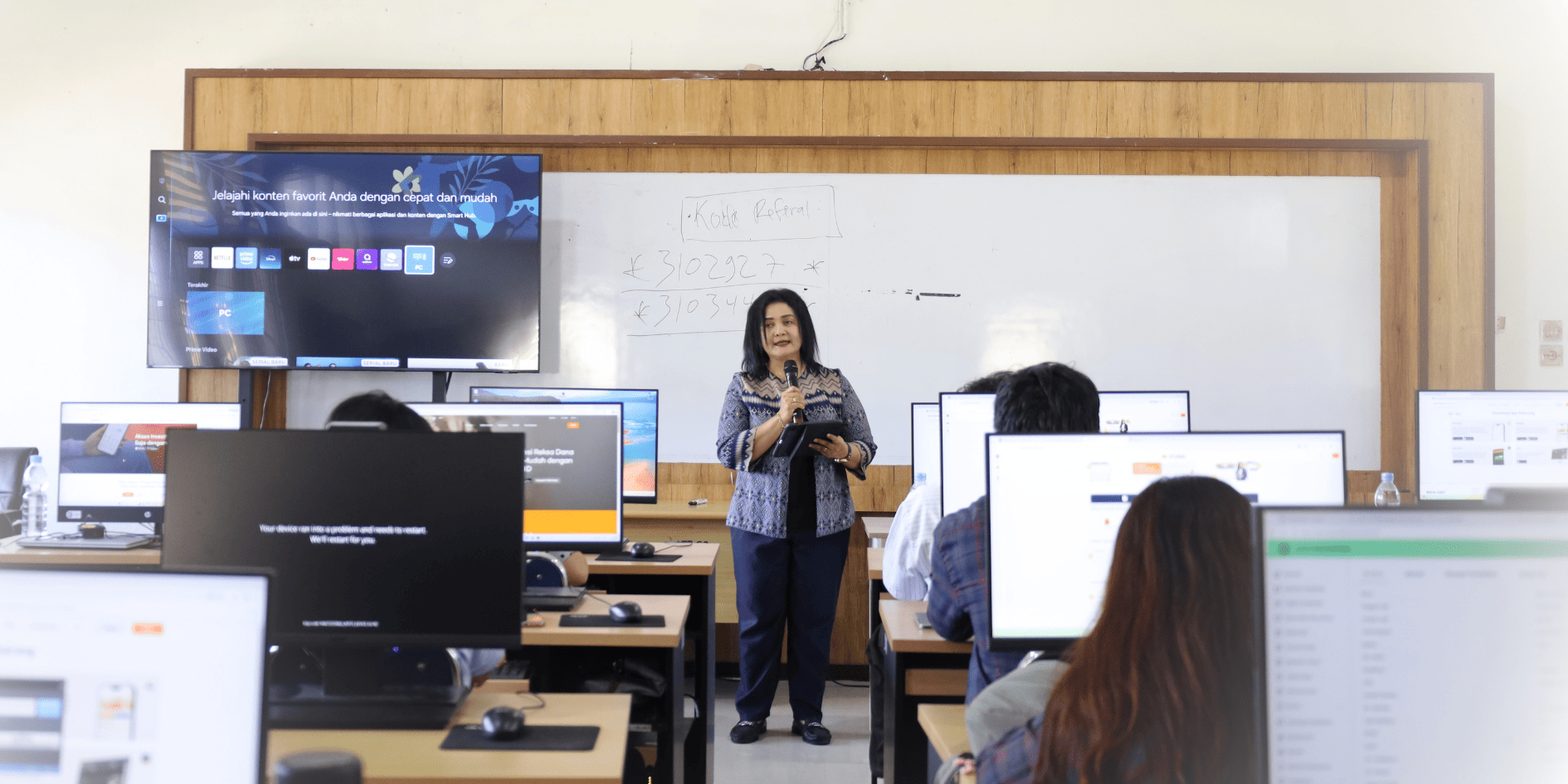
Carrying the theme “Learn to Analyze, Dare to Execute, Start Investing!”, the activity was attended by students, alumni, and the general public. Through this activity, participants were invited to improve their understanding of the capital market, starting from recognizing market information, conducting analysis, understanding risks, and considering investment decisions in a more structured manner.
The activity featured Enry Magdalena Saragih, S.E., M.M., Deputy Head of the North Sumatra Region, Indonesia Stock Exchange Representative Office of North Sumatra, and Nurul Izzati Lubis, S.E., CFP, Investment Specialist at PT Mirae Asset Sekuritas Indonesia, Medan Office, as speakers. Meanwhile, the activity was moderated by Futri Medwina Siregar, S.P., M.P., Lecturer of the Undergraduate Program in Agribusiness, Faculty of Agriculture, USU.
The activity began with remarks by the Vice Dean III of FP USU, Dr. Ir. Posma Mangasi Pintaria Marbun, M.P. In his remarks, he expressed his appreciation to the Undergraduate Program in Agribusiness, the Indonesia Stock Exchange, and PT Mirae Asset Sekuritas Indonesia for their collaboration in organizing the Level 2 Capital Market School.
According to him, partnerships between higher education institutions and industry provide students with opportunities to gain direct learning experiences from academics and practitioners. The activity was also considered relevant to the field of study of Agribusiness students because it can broaden their insights into financial management and the capital market.
“These abilities will be more beneficial when accompanied by the ability to assess risks and make decisions responsibly,” said the Vice Dean III of FP USU.
He also encouraged participants to actively participate in the entire series of activities, including discussions and asking questions, both regarding basic matters and more complex topics.
“Strong development is built step by step,” he added.
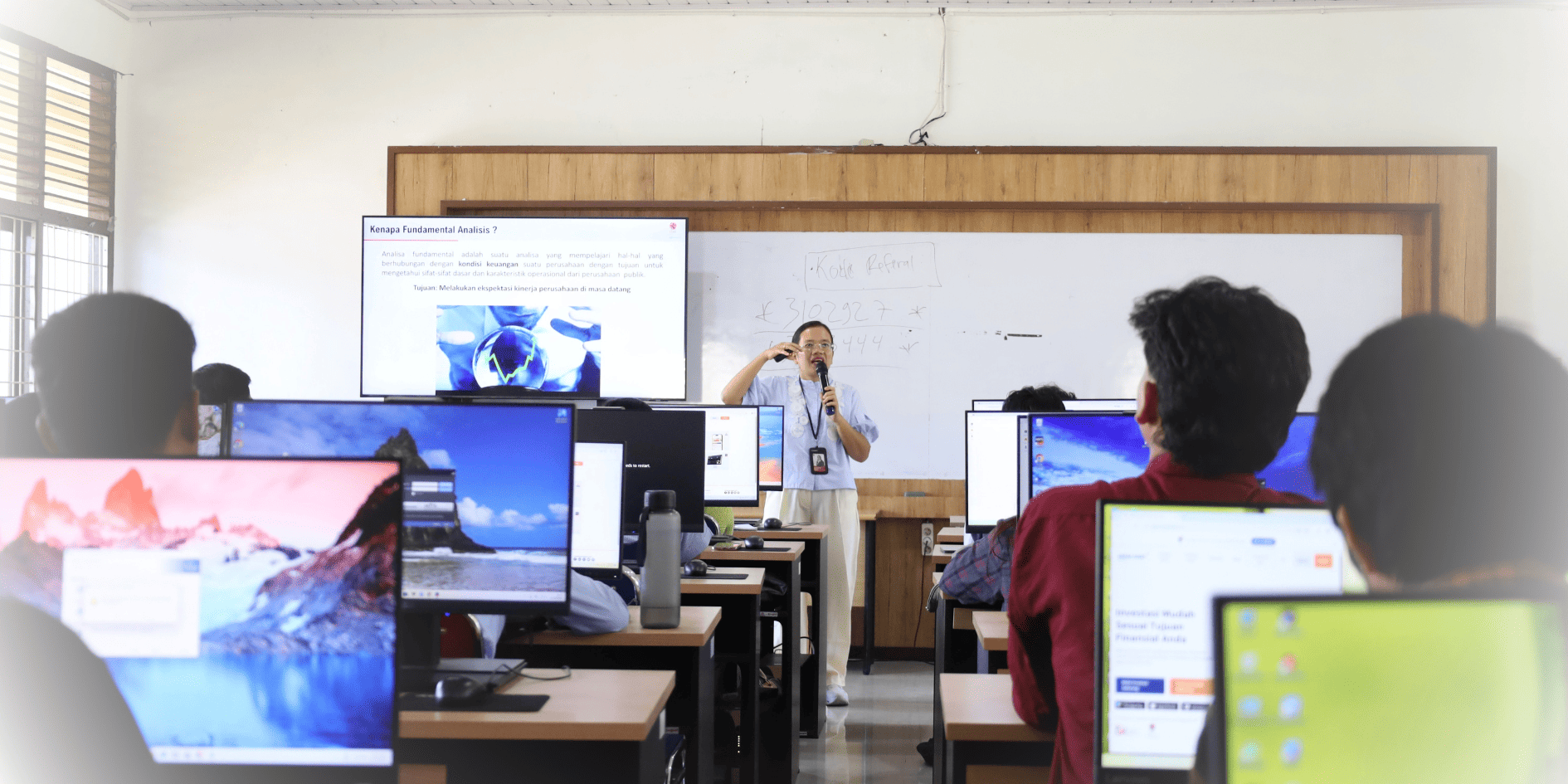
Entering the material session, Enry Magdalena Saragih, S.E., M.M. delivered material on Fundamental Analysis. Participants were introduced to the importance of fundamental analysis as an approach to understanding the financial condition and operational characteristics of a company with the aim of obtaining an overview of the company's future performance.
In her presentation, Enry explained that fundamental analysis covers several aspects, namely economic analysis, industry analysis, company analysis, and future analysis. In economic analysis, participants were introduced to several indicators that need to be considered, such as Gross Domestic Product (GDP), inflation, interest rates, exchange rates, economic issues, and the trade balance.
Meanwhile, in industry analysis, participants were invited to understand the competitive conditions of a sector and its prospects. Several indicators discussed included sales, profit, dividends, capital structure, regulations, and innovation. Participants were also introduced to the concept of an economic moat, namely the ability of a company or industry to maintain its competitive advantage in facing competition.
At the company level, the analysis was conducted by examining various aspects, including financial statements, products and marketing, revenue growth, profitability, management efficiency and effectiveness, competitive advantages, and the company's business model.
Participants also gained an understanding of various financial ratios, including liquidity, activity, profitability, solvency, and market ratios. In addition, the differences between book value, market value, and intrinsic value of shares were discussed as part of understanding how to assess a stock.
Not only focusing on quantitative aspects, fundamental analysis also includes qualitative factors, such as management integrity, creativity and innovation, brand strength, corporate culture, strategy, level of competition, government regulations, and future business prospects.
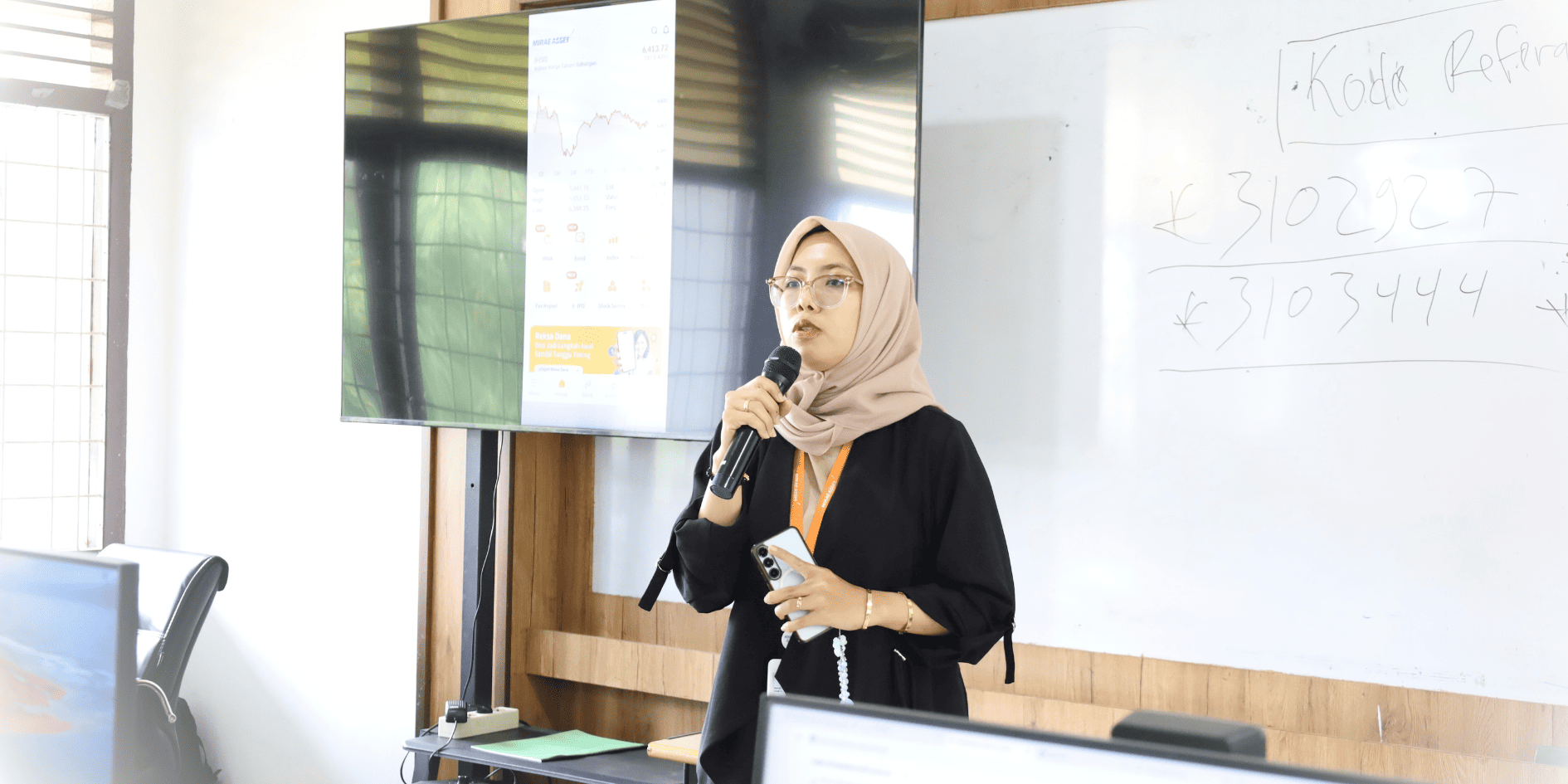
Next, Nurul Izzati Lubis, S.E., CFP, delivered more practical material through hands-on practice using M-StOCK, an investment application. Through this session, participants had the opportunity to become more familiar with the process of using an investment application while connecting the understanding gained from the previous session with practical implementation.
The activity also included a discussion and question-and-answer session, providing participants with an opportunity to deepen their understanding of the material and clarify various matters related to investment analysis and practices.
As a form of appreciation for the contributions and materials presented, the Undergraduate Program in Agribusiness, Faculty of Agriculture USU, also presented certificates and souvenirs to the speakers, namely Enry Magdalena Saragih, S.E., M.M., and Nurul Izzati Lubis, S.E., CFP. The presentation of appreciation was part of the activity and served as recognition of the practitioners' contributions to strengthening capital market and investment literacy among participants.
At the end of the activity, the Head of the Undergraduate Program in Agribusiness, Faculty of Agriculture USU, Dr. Sri Fajar Ayu, S.P., M.M., expressed her appreciation for the implementation of Level 2 Capital Market School. She hoped that the knowledge gained by participants could be utilized to build financial literacy and serve as a foundation for understanding investment from an early stage.
She also expressed her hope that the activity could continue to the next stage through direct learning at PT Mirae Asset Sekuritas Indonesia, allowing participants to gain experience that is increasingly close to capital market industry practices.
“We are now at Level 2, and perhaps we will continue to the next stage at PT Mirae Asset Sekuritas Indonesia directly. I sincerely hope that today's activity can provide useful knowledge,” she said.
Through Level 2 Capital Market School, the Undergraduate Program in Agribusiness, Faculty of Agriculture USU, continues to encourage the strengthening of students' financial literacy through learning that connects academic knowledge with practices in the industrial sector. This activity is also part of an effort to equip students to understand information, identify risks, and make investment decisions more wisely and responsibly.
The implementation of this activity also supports the achievement of the Sustainable Development Goals (SDGs), particularly SDG 4: Quality Education through strengthening participants' literacy and competencies; SDG 8: Decent Work and Economic Growth through increasing understanding of investment and financial literacy; SDG 10: Reduced Inequalities through expanding access to financial knowledge and education; and SDG 17: Partnerships for the Goals through collaboration among higher education institutions, academics, and capital market practitioners.
Smart Investment, Quality Future.