


The shortage and price surge of cooking oil emerged at the end of 2021. Despite government interventions, cooking oil shortages persisted until March 2022. Certain government policies have exacerbated the scarcity while benefiting palm oil corporations. Since the issue arose, the government has introduced at least three policies in quick succession. These include subsidizing cooking oil using funds from the Palm Oil Plantation Fund Management Agency (BPDPKS), setting a Maximum Retail Price (HET) for palm oil-based cooking oil, and implementing a Domestic Market Obligation (DMO), which mandates companies to supply a portion of their production to the domestic market. All these measures are regulated under the Ministry of Trade’s regulations.
On May 17, 2022, the Ministry of Trade and the Ministry of State-Owned Enterprises collaborated with cooking oil businesses to launch the Migor Rakyat Program. This program aims to ensure that bulk cooking oil priced at Rp14,000 per liter is distributed accurately to low-income communities. “This program demonstrates the commitment of cooking oil entrepreneurs to support the people. It is fully executed through business processes between cooking oil distributors and small-scale retailers,” stated the Ministry.
The Migor Rakyat Program emphasizes direct retail transactions to beneficiaries, specifically low-income groups. The implementation is carried out by cooking oil businesses using digital application technology to ensure the accurate distribution of bulk cooking oil at Rp14,000 per liter. Retailers are required to sell 1 to 2 liters per day to consumers based on their identity cards (KTP). “The list of sales locations for the Migor Rakyat Program, which utilizes the Gurih Indomarko and Warung Pangan IDFood platforms, is accessible to everyone. Currently, there are 1,200 locations across five provinces: DKI Jakarta, West Java, Banten, East Java, North Sumatra, and North Sulawesi.”
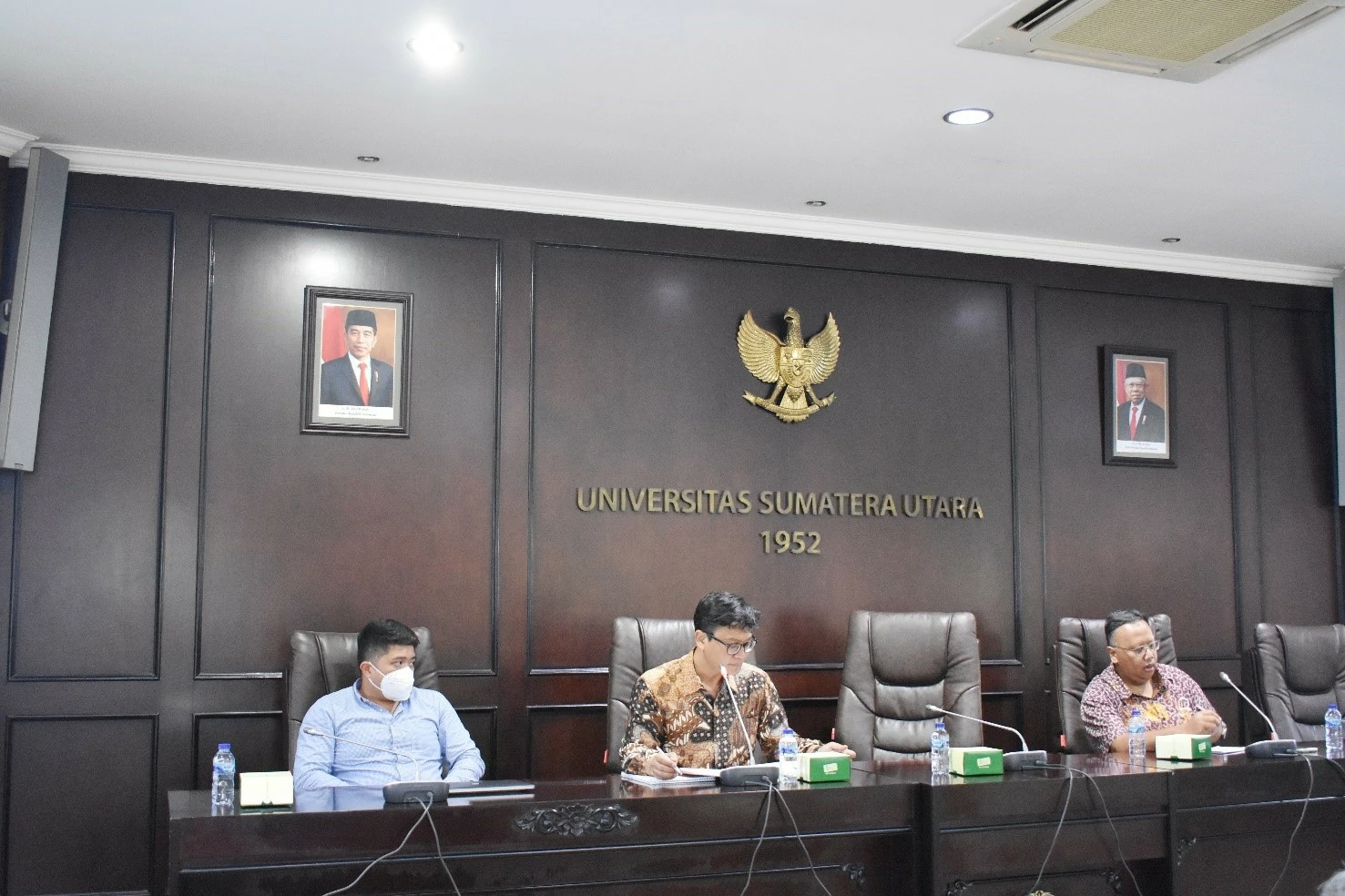
This topic is highly relevant to the agribusiness field, particularly in supply chain management. To gain a comprehensive understanding directly from practitioners, the Agribusiness Study Program organized a public lecture for both students and lecturers. This lecture was conducted in collaboration with the Undergraduate Program in Agribusiness and the Master’s Program in Data Science and Artificial Intelligence, which are closely related to digital technology. Additionally, the event was supported by CSSPO, AAI, and PP PERHEPI.