


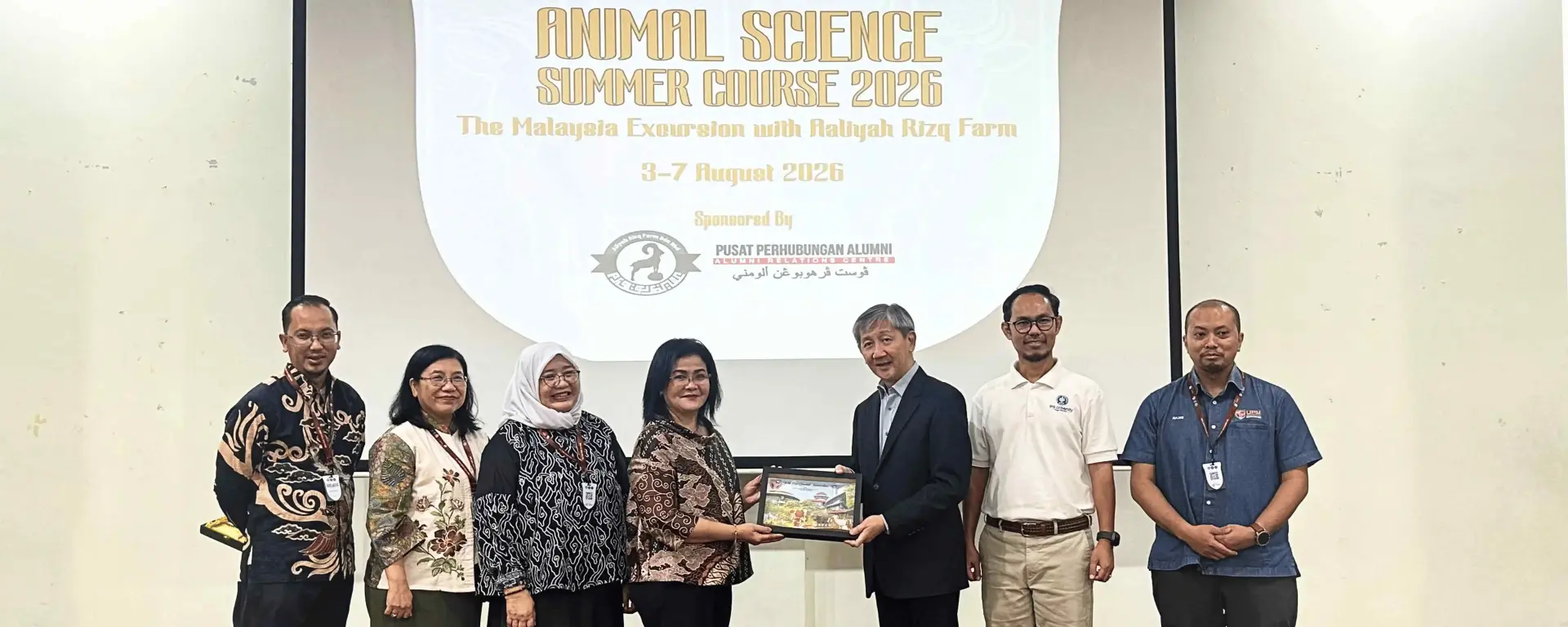
Medan – The Animal Husbandry Study Program, Faculty of Agriculture, Universitas Sumatera Utara (USU), continues to strengthen its international engagement through the organization of Summer Course 2026, which carries the theme “New Horizons in Interdisciplinary Tropical Animal Production through Smart Precision Farming for Sustainability, Climate Resilience, and Global Partnership.” The activity, held from August 3–16, 2026, was collaboratively organized by the Animal Husbandry Study Program, Faculty of Agriculture, USU; the Department of Animal Production and Technology, Faculty of Animal Science, IPB University; and the Department of Animal Science, Faculty of Agriculture, Universiti Putra Malaysia.
In response to various challenges in developing livestock farming in tropical regions, this program focused on several strategic issues in the livestock sector, including heat stress, feed shortages, livestock diseases, and the impacts of climate change. Through the Smart Precision Farming approach, participants were introduced to the application of the Internet of Things (IoT), Artificial Intelligence (AI), big data analytics, drones, and sensor-based systems as important instruments for improving livestock management, operational efficiency, and environmental sustainability.
The program was conducted through a blended learning approach that integrated online and offline activities in three main series. The activities began with an academic visit to Malaysia on August 3–7, 2026, followed by an online Lecture Series on August 10–14, 2026, and concluded with the International Student Conference and Innovation Competition (ISCIC), held at IPB University, Bogor, on August 15–16, 2026.
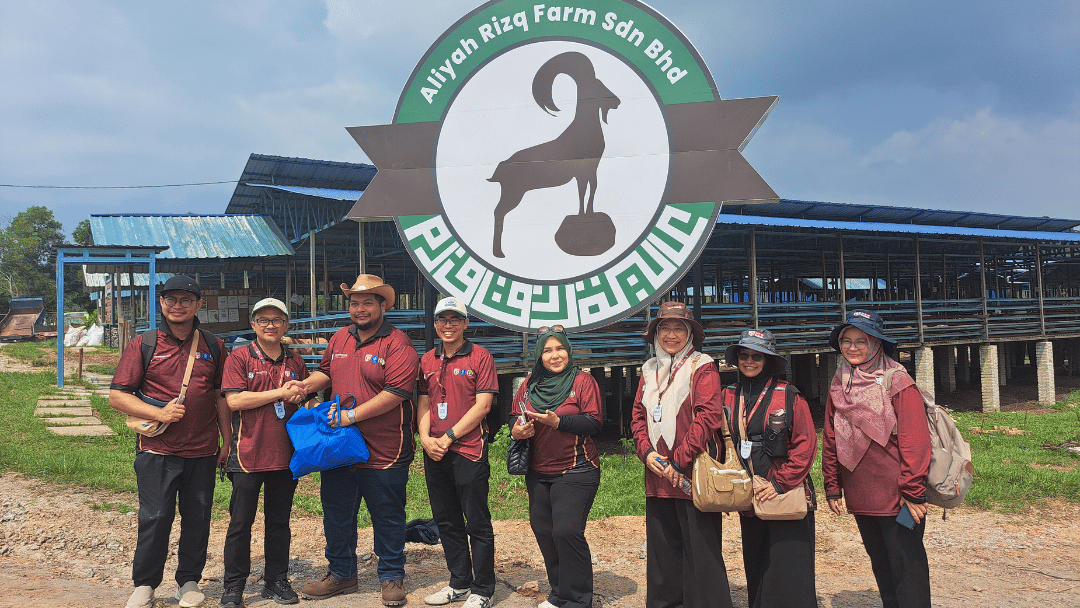
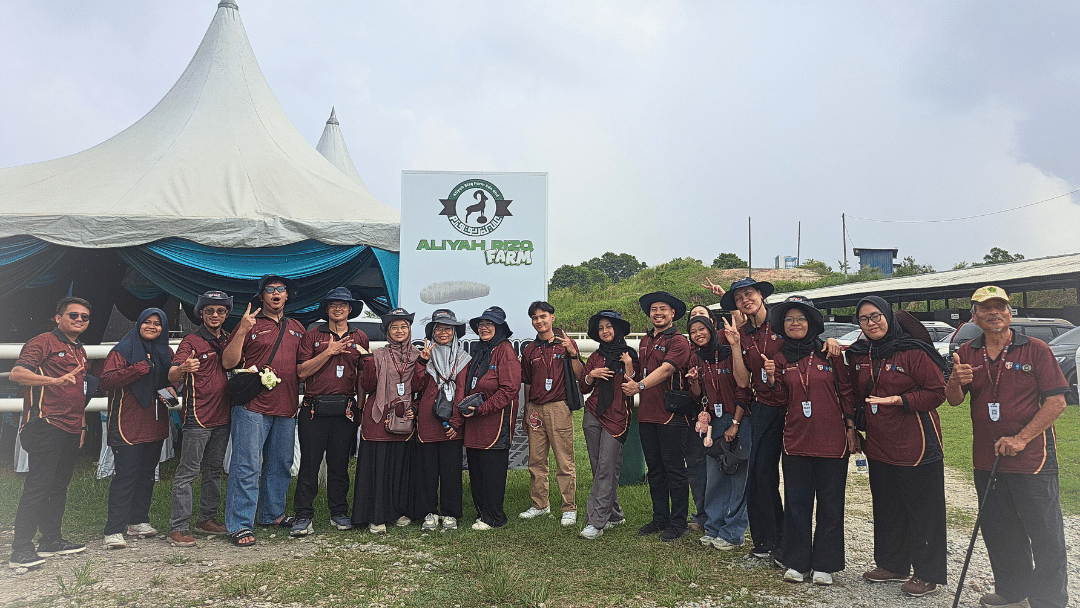
During the academic visit, participants gained direct learning experiences through visits to Universiti Putra Malaysia (UPM), the Poultry Technology Institute (Institut Teknologi Unggas/ITU) in Melaka, and Aliyah Rizq Farm. These visits provided participants with opportunities to become familiar with educational facilities, laboratories, poultry technology, and modern livestock management practices. Participants also interacted with institutional and industry partners, broadening their understanding of education and the development of the livestock sector in Malaysia.
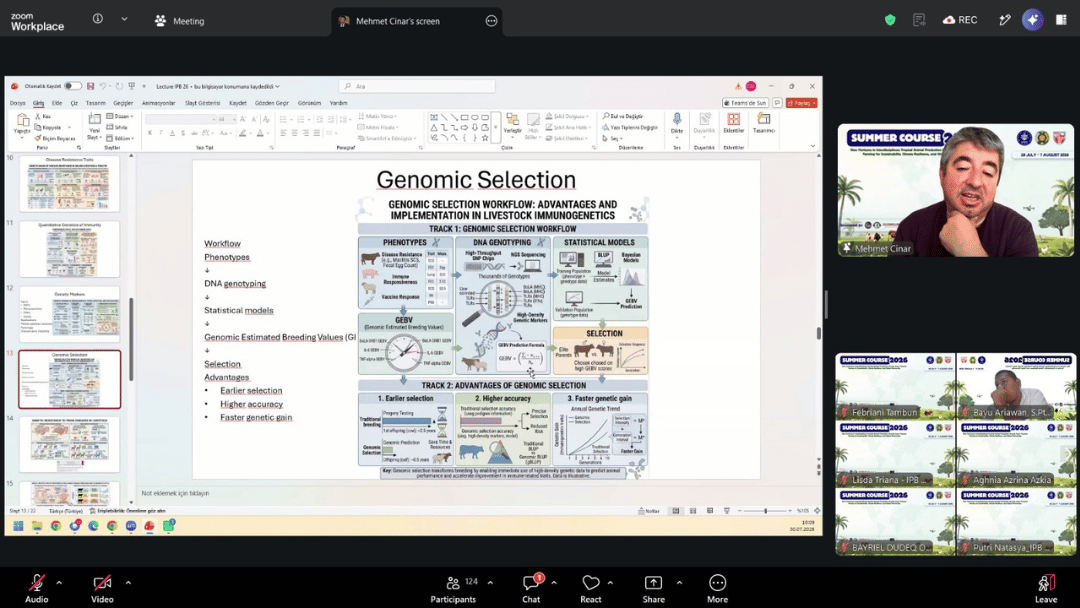
The online Lecture Series featured academics, researchers, and international experts from various leading institutions, including Cornell University (United States), Murdoch University (Australia), the Chinese Academy of Agricultural Sciences (China), Sokoine University of Agriculture (Tanzania), Agroscope (Switzerland), and several higher education institutions in Indonesia, Malaysia, Thailand, and the Philippines. The lecture materials covered various topics, including livestock nutrition and health, genetics, animal welfare, precision livestock farming technology, alternative feed sources, and strategies for mitigating greenhouse gas emissions from ruminant livestock farming.
Meanwhile, ISCIC served as a platform for students to develop their academic competencies and innovative thinking through scientific presentations, discussions, and innovation competitions. This activity also encouraged critical thinking, scientific communication, and international academic networking while providing students with opportunities to explore solutions to various challenges and emerging opportunities in tropical livestock development.
The program received considerable enthusiasm, with 288 registered participants, 56 of whom took part in the academic visits. In addition to strengthening academic competencies and cross-cultural understanding, Summer Course 2026 also generated opportunities for further international collaboration. These opportunities include cooperation with Universiti Malaysia Kelantan in implementing an international community service program in North Sumatra, as well as internship opportunities for five students from the Animal Husbandry Study Program at Aliyah Rizq Farm, Malaysia.
The implementation of this program also reflects the commitment of the Faculty of Agriculture, USU, to supporting the achievement of the Sustainable Development Goals (SDGs). The program's contributions are particularly related to SDG 2 (Zero Hunger) through strengthening food security and sustainable livestock production; SDG 4 (Quality Education) through international learning experiences and access to quality education; SDG 9 (Industry, Innovation, and Infrastructure) through technological innovation and the development of precision livestock farming; SDG 13 (Climate Action) through the promotion of livestock systems that are resilient to climate change; SDG 15 (Life on Land) through sustainable management of terrestrial resources and ecosystems; and SDG 17 (Partnerships for the Goals) through strengthening international academic partnerships.
Going forward, this program is expected to further expand the global academic network of the Animal Husbandry Study Program, Faculty of Agriculture, USU, while encouraging collaborative research, joint scientific publications, and student and lecturer exchanges with international partner institutions. Summer Course 2026 serves as one of the strategic initiatives to prepare competent, innovative, and globally minded graduates who can contribute to the development of sustainable tropical livestock farming.