


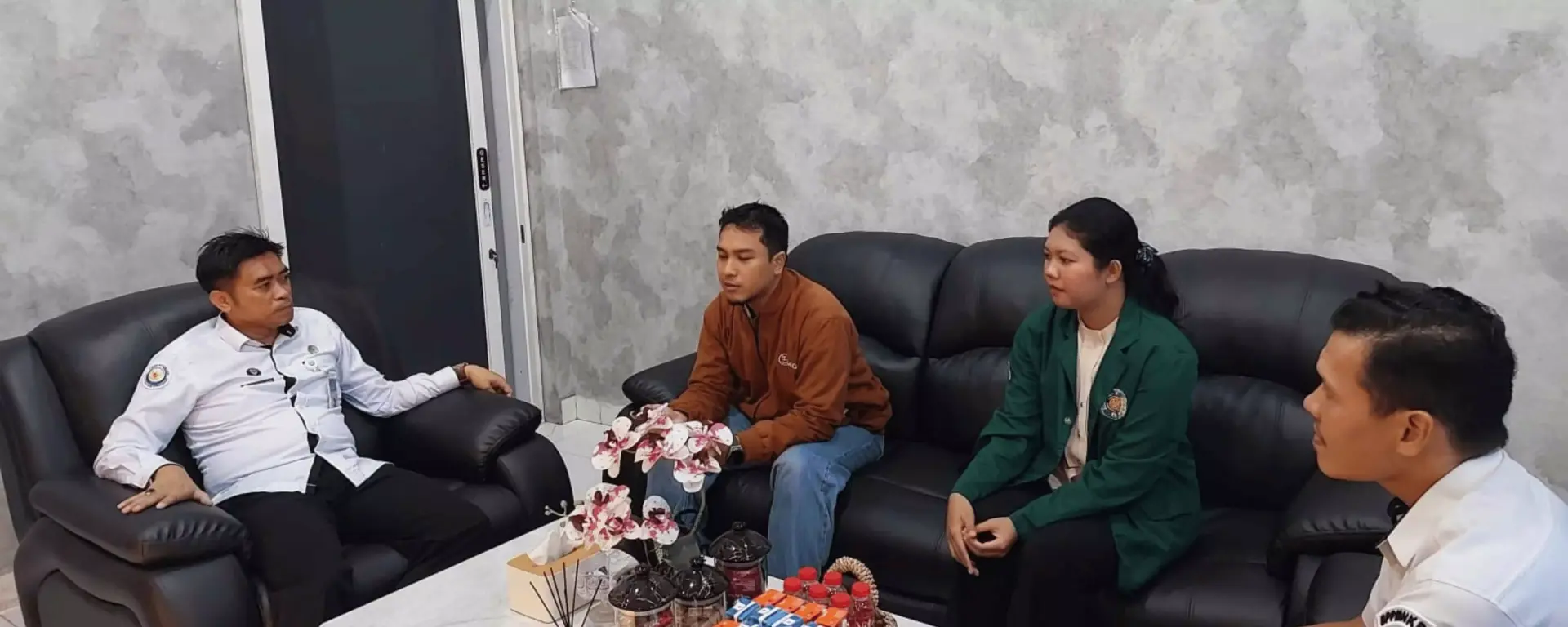
Medan – The Undergraduate Program in Aquatic Resources Management (MSP), Faculty of Agriculture, Universitas Sumatera Utara (USU), once again conducted the Learning Outside the Study Program (PLPS) as part of experience-based learning for students. This time, MSP USU students are undertaking PLPS at the Belawan Quality Control and Safety of Marine and Fisheries Products Station (PPMHKP Belawan Station).
The students were directly sent off and accompanied by MSP USU lecturer Harya Bimasuci W., M.Sc., as part of the supervision process and to ensure that the student handover to the partner institution proceeded properly.
The PLPS activity at the PPMHKP Belawan Station provides students with an opportunity to gain practical experience in the implementation of quality control and safety of marine and fisheries products. Through this activity, students are expected to understand how quality assurance principles, food safety, and supervision of marine and fisheries products are applied in a professional work environment.
Harya Bimasuci W., M.Sc. stated that PLPS is an important means of connecting the competencies students acquire during their studies with practical needs and practices in the field.
“Through PLPS, students not only learn about technical aspects but also become familiar with work culture, discipline, professional communication, and responsibility in carrying out their duties. We hope that students can make the most of this opportunity to learn as much as possible from the supervisors and professionals at the PPMHKP Belawan Station,” he said.
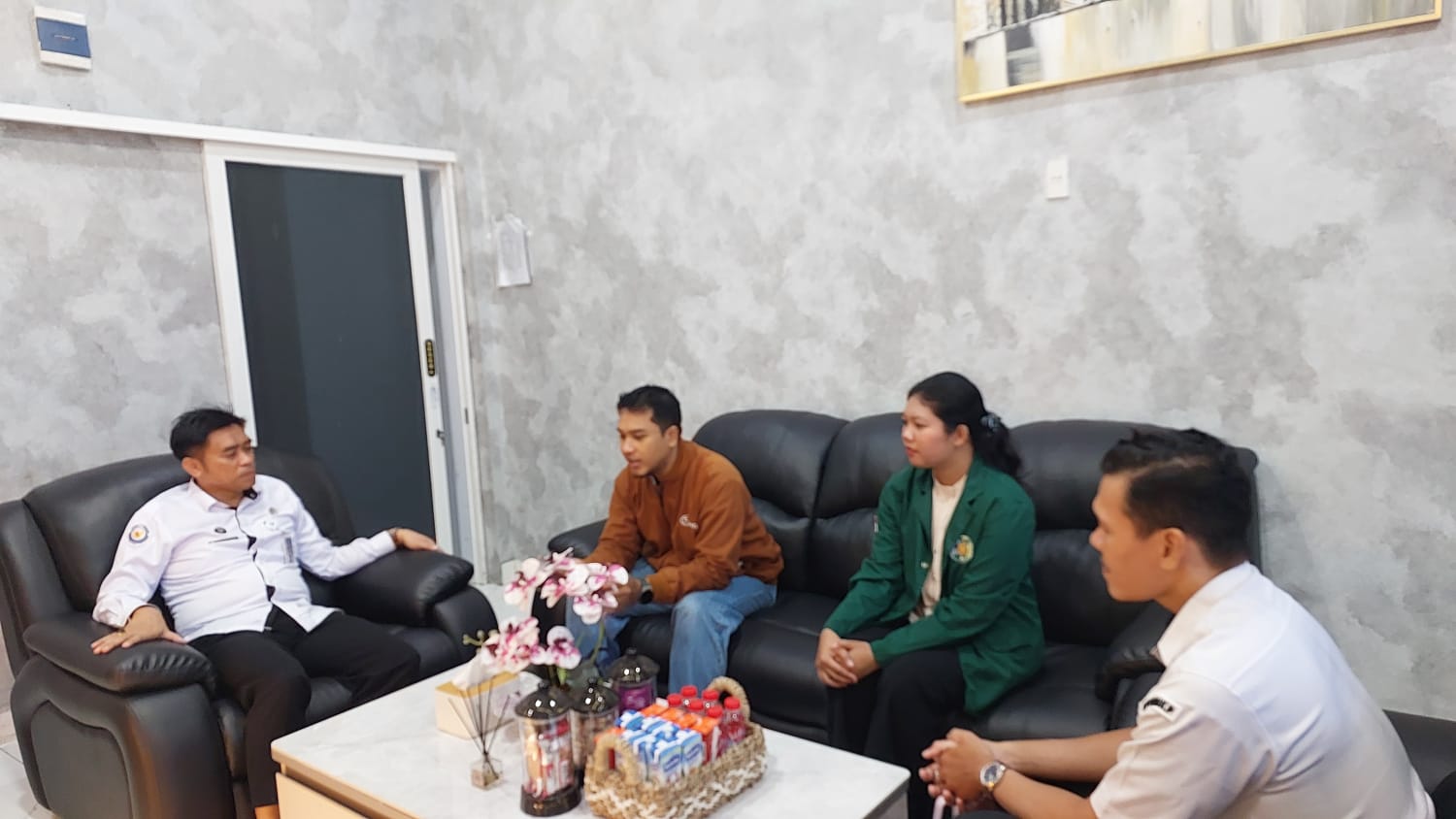
For MSP students, activities at the PPMHKP Belawan Station are also relevant to competencies in aquatic resource management, which encompass not only ecological and resource aspects but also the responsible utilization of fisheries products and quality assurance of products generated by the marine and fisheries sector.
During the PLPS, students are expected to participate in various activities according to the directions and scope provided by the PPMHKP Belawan Station. This experience can subsequently serve as preparation for students to understand the relationship between resource management, fisheries production, quality control, fisheries product safety, and services to communities and business actors.
This activity also strengthens the relationship between the Undergraduate Program in Aquatic Resources Management, USU, and government institutions in the marine and fisheries sector, particularly in supporting the improvement of student competencies through learning outside the campus.
The implementation of PLPS is also in line with efforts to achieve SDG 4 (Quality Education) through experience-based learning and improving student competencies, as well as SDG 17 (Partnerships for the Goals) through strengthening partnerships between higher education institutions and government agencies.
Through PLPS activities, MSP USU continues to encourage students to develop not only strong academic knowledge but also professional competencies, adaptability, work ethics, and an understanding of workforce needs in the marine and fisheries sector.