


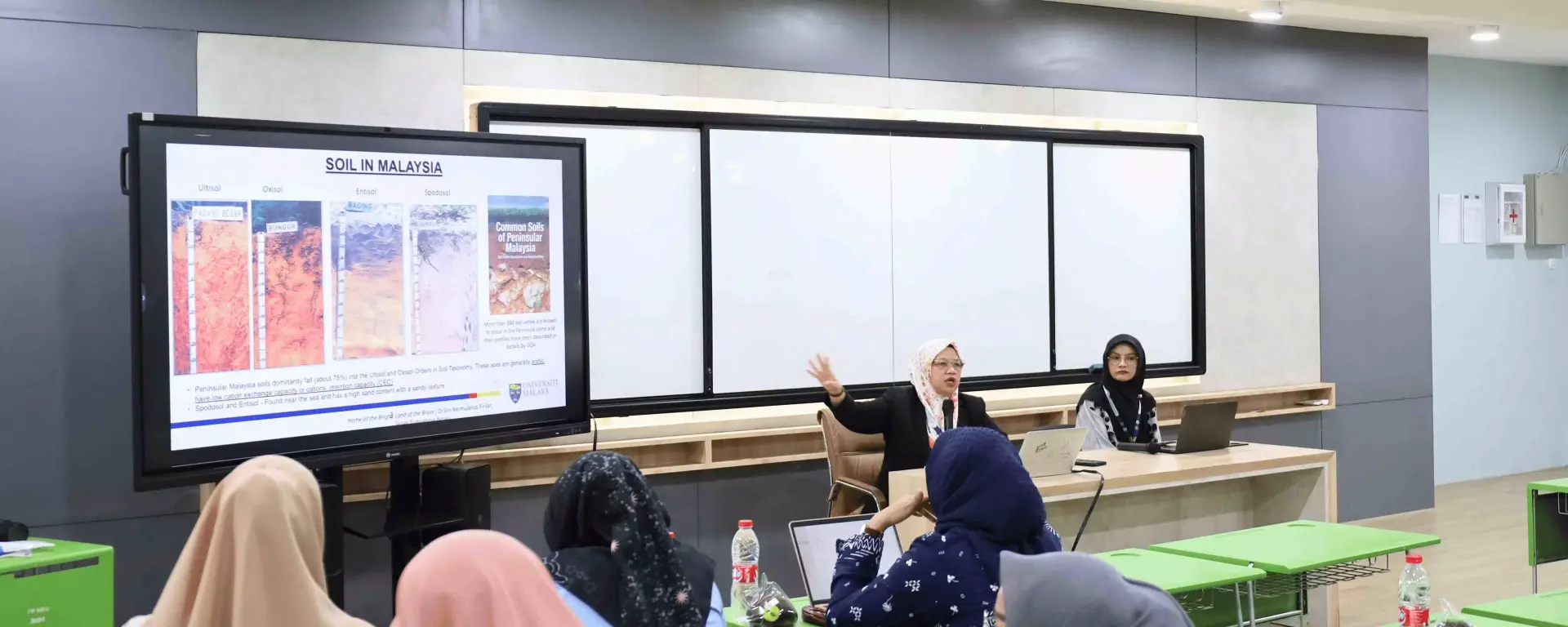
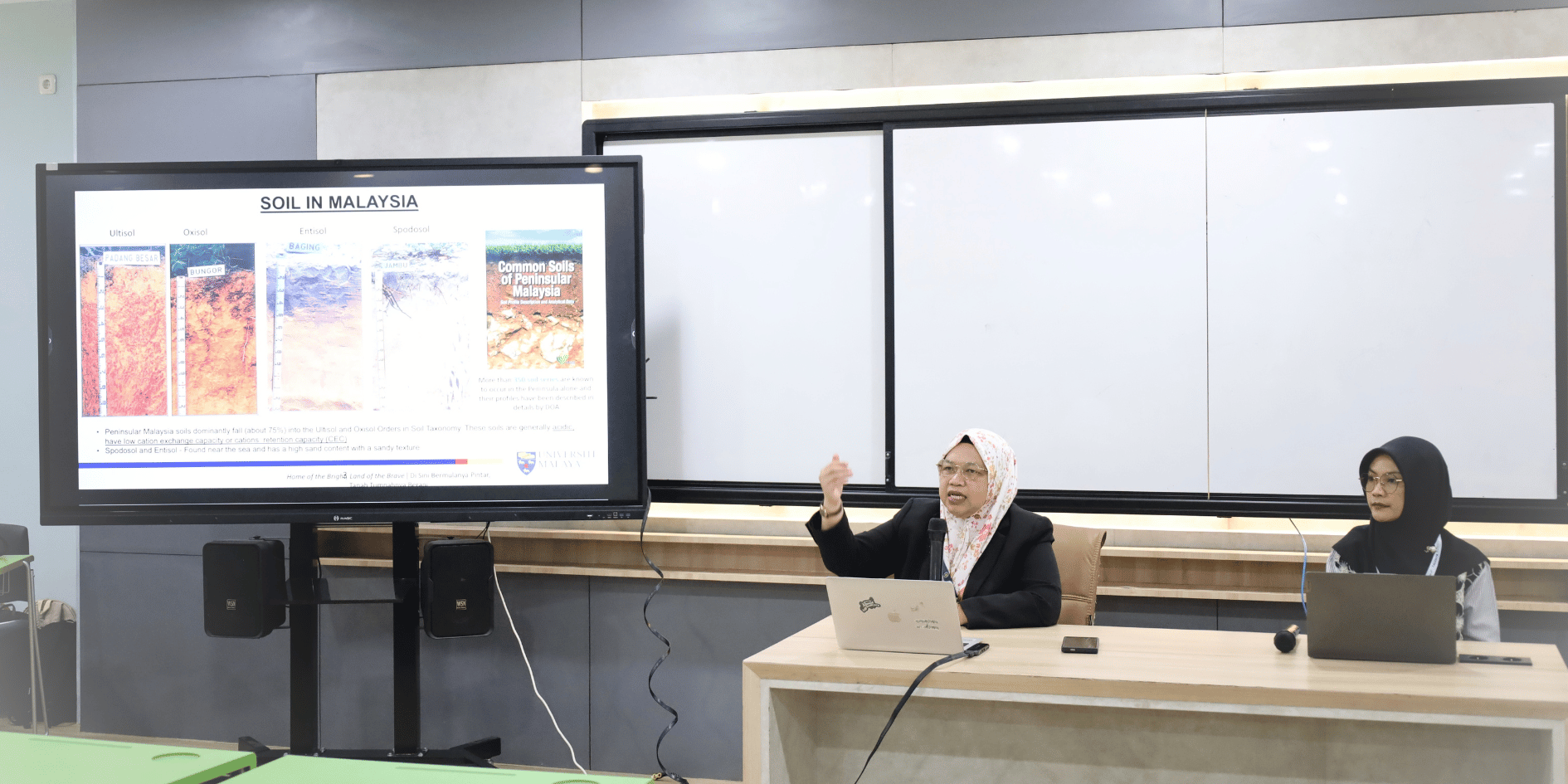
Medan, October 5, 2026 — The Undergraduate Program in Agrotechnology, Faculty of Agriculture, Universitas Sumatera Utara (FP USU), held an International Public Lecture themed “Soil and the Future of Food: Building Sustainable and Resilient Food Systems in a Changing Climate” at International Classroom 1, FP USU, on Monday (October 5, 2026). The activity featured Associate Prof. ChM. Dr. Rosazlin Abdullah from the Institute of Biological Sciences, Faculty of Science, Universiti Malaya (UM), Malaysia, as the speaker.
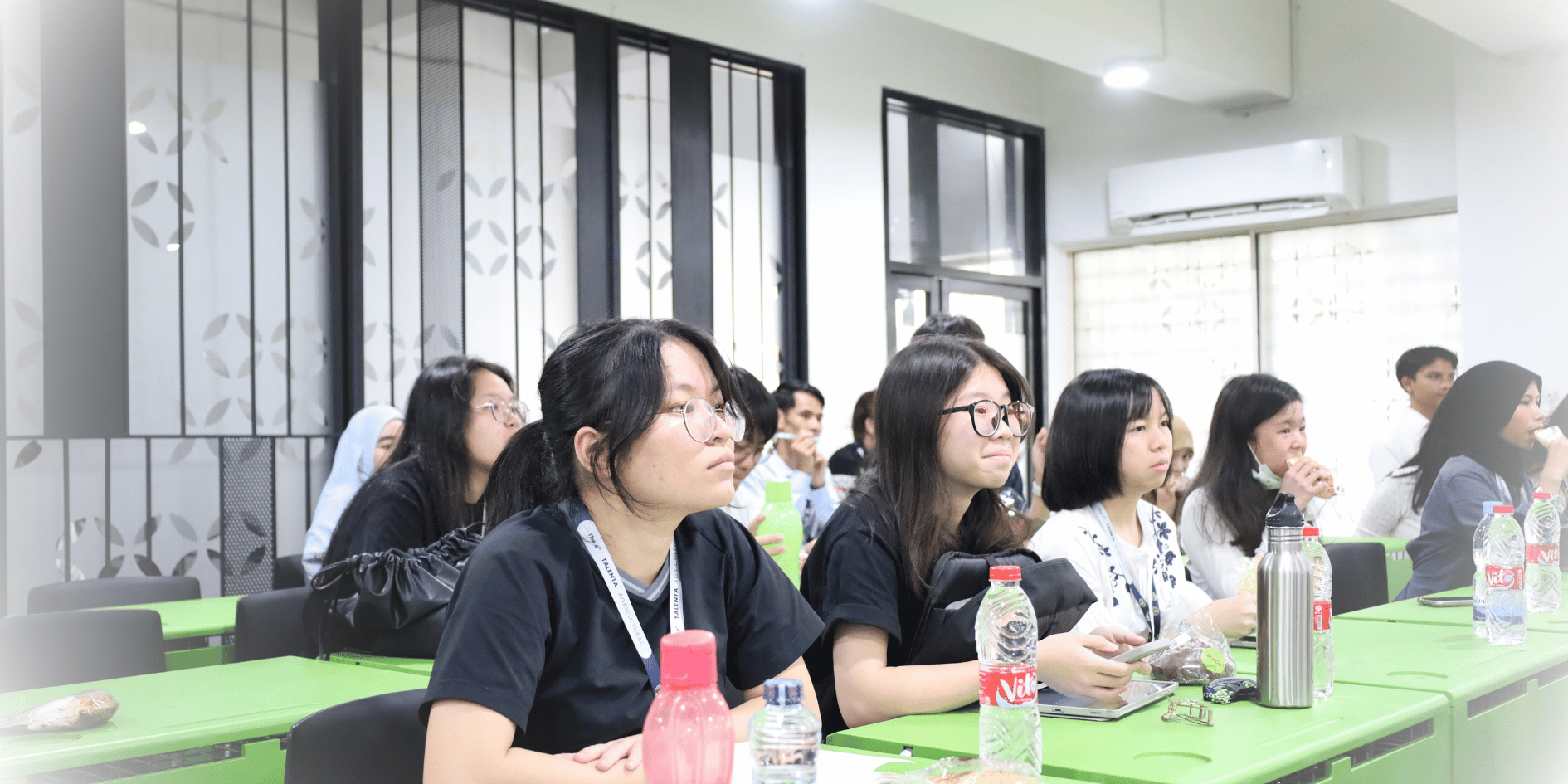
The public lecture was attended by students from FP USU and Universiti Malaya participating in the 4th TALENTA Agricultural Summer Course 2026. Also present were the Vice Dean for Academic Affairs, Student Affairs, and Alumni Affairs of FP USU, Dr. Nini Rahmawati, S.P., M.Si.; Head of the Undergraduate Program in Agrotechnology, Prof. Dr. Diana Sofia Hanafiah, S.P., M.P.; Secretary of the Undergraduate Program in Agrotechnology, Hafnes Wahyuni, S.P., M.P.; and lecturers from the Undergraduate Program in Agrotechnology. The activity was moderated by Nursa'adah, S.ST., M.Agr., a lecturer in the Undergraduate Program in Agrotechnology, FP USU.
In her presentation entitled “Biochar and the Future of Food: Advancing Soil Health for Sustainable Food Production,” Assoc. Prof. Dr. Rosazlin Abdullah emphasized the importance of soil health in supporting agricultural productivity, maintaining ecosystem balance, and ensuring sustainable food production amid climate change. Healthy soil plays an essential role in nutrient cycling, water regulation, providing suitable conditions for root growth, and maintaining biological activity in the soil.
She explained that increasing global food demand requires agricultural systems that can maintain productivity while protecting soil and water resources. Therefore, sustainable soil management is a strategic measure for strengthening food security. Conversely, soil degradation caused by land-use changes, deforestation, agricultural intensification, unsustainable management practices, and climate change can reduce the capacity of soil to support agricultural production.
One of the innovations discussed during the public lecture was the use of biochar, a carbon-rich material produced by heating biomass under oxygen-limited conditions. Biochar can be made from various materials, including agricultural waste, forestry biomass, wood waste, food waste, and livestock manure. Its application has the potential to improve soil quality, influence nutrient availability, improve soil water conditions, and support plant growth.
Furthermore, Rosazlin discussed various applications of biochar to address soil-related problems, including tropical acidic soils and soils with high salinity. Other innovations included combining biochar with compost, developing fertilizers with controlled nutrient release, and producing biochar composites to improve the soil's water retention capacity. Nevertheless, the application of biochar still faces challenges, particularly the cost of production technology and limited nutrient release when it is used without other supporting materials.
Through the presentation, participants gained insights into the relationship between soil health, innovations in agricultural resource management, and the sustainability of food systems. Integrating soil science with agricultural technology and the use of biochar-based soil amendments is expected to support agricultural productivity while strengthening food system resilience in addressing environmental challenges.
The organization of this international public lecture was part of FP USU's efforts to broaden students' academic perspectives and strengthen international cooperation networks, particularly in sustainable agriculture. The activity also supports the achievement of the Sustainable Development Goals (SDGs), especially SDG 2 (Zero Hunger) through strengthening food security, SDG 4 (Quality Education) through academic knowledge exchange, SDG 15 (Life on Land) through attention to soil health and conservation, and SDG 17 (Partnerships for the Goals) through academic collaboration between USU and Universiti Malaya.