


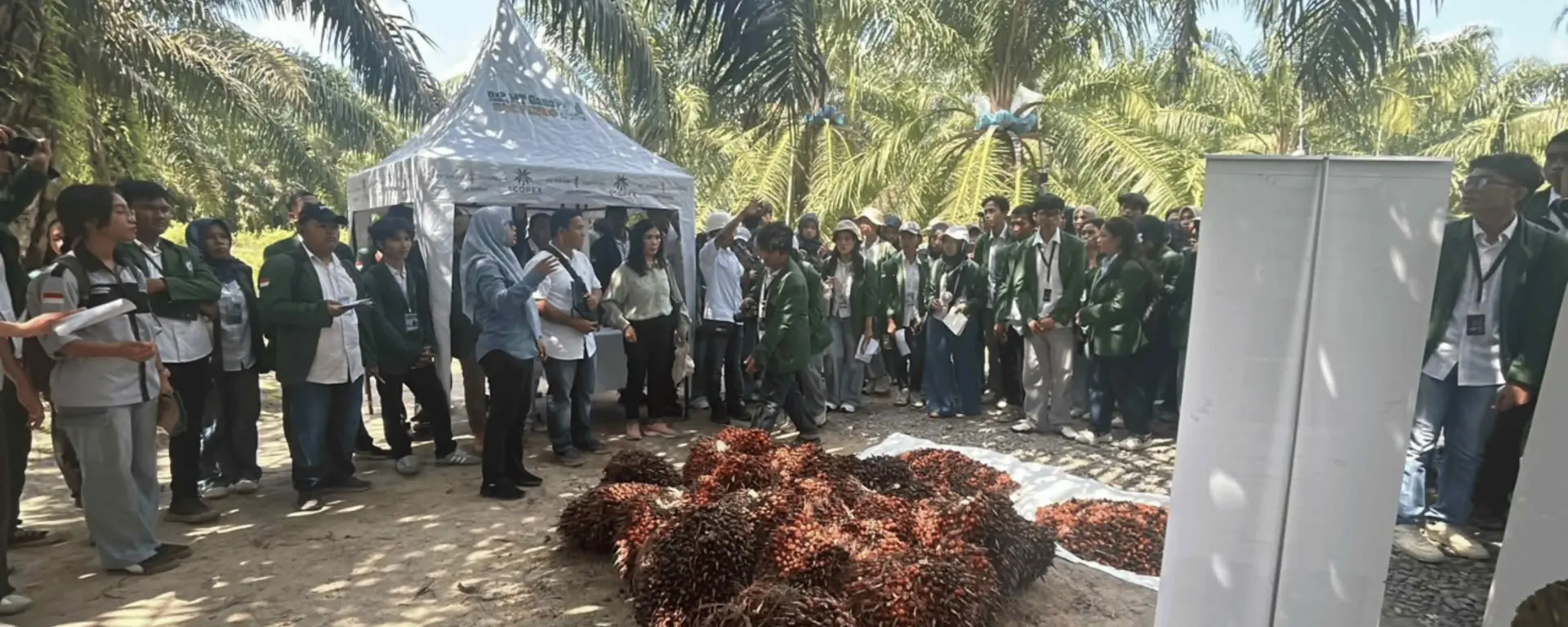
Students of the Agrotechnology Study Program, Faculty of Agriculture, Universitas Sumatera Utara (USU), from Classes AET 2 and AET 3, Class of 2025, conducted a field trip to PT Socfindo Bangun Bandar Plantation on October 31, 2026. This activity was part of field-based learning aimed at broadening students’ knowledge and providing firsthand experience of the application of agrotechnology in the oil palm plantation industry.
Carrying the theme “From Seeds to Production: Exploring Technology and Innovation in Modern Oil Palm Plantation Management,” the activity provided students with the opportunity to learn about various stages of integrated plantation management, from the provision of superior planting materials, seedling cultivation, and plant maintenance to harvesting, processing harvested products, and utilizing plantation waste.
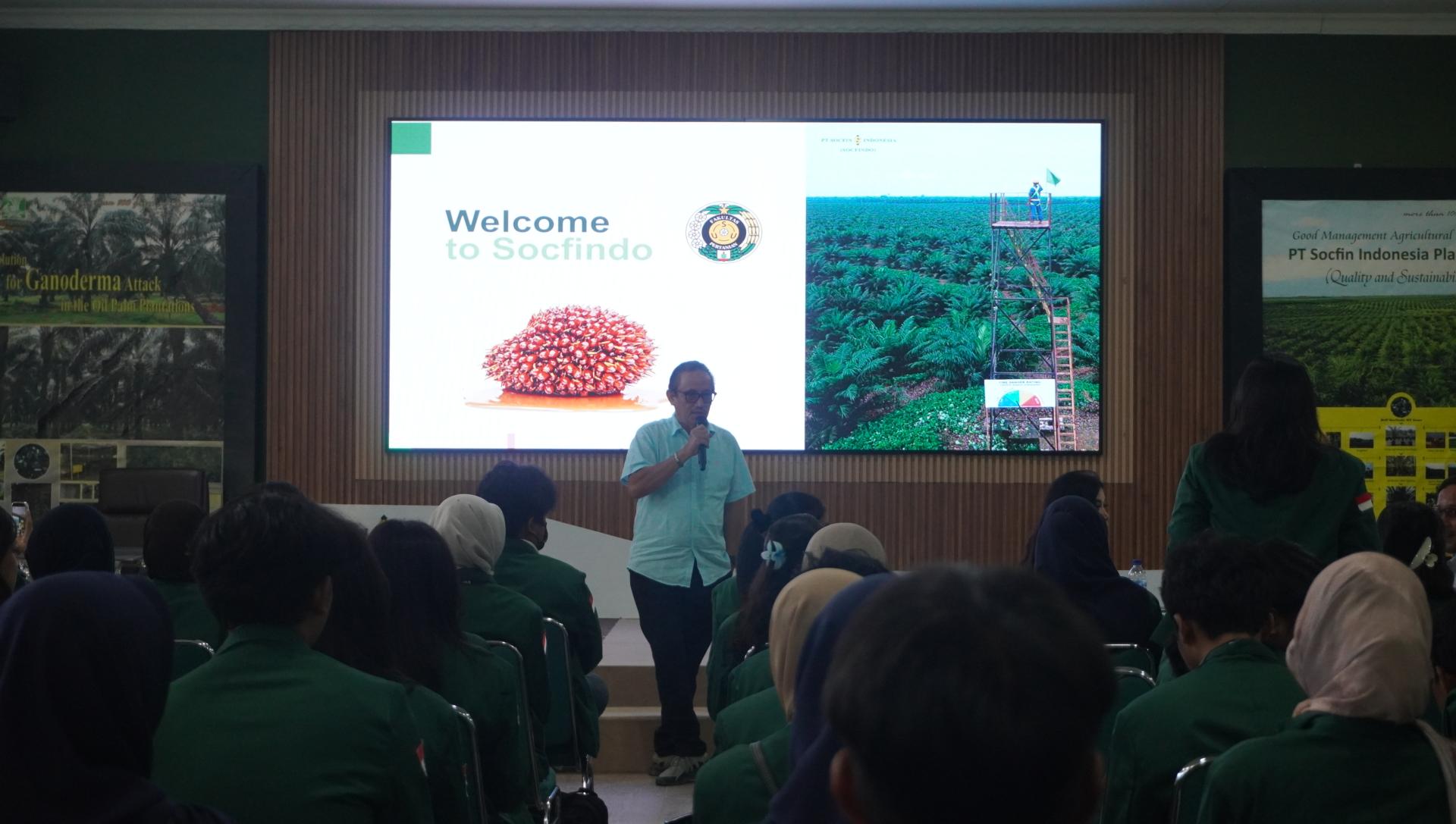
The activity was accompanied by lecturers from the Agrotechnology Study Program, Faculty of Agriculture, USU, namely Prof. Dr. Ir. Charloq, M.P., Vira Irma Sari, S.P., M.Si., and Rouzatul Nafisah, S.P., M.Si. Meanwhile, PT Socfindo provided a team of guides consisting of Ir. H. Indra Syahputra, M.P., Director of Seed Production and Laboratory at PT Socfindo; Hugo Napitupulu, S.P., Group Manager 2 at PT Socfindo; Samuel Situmorang, S.P., Manager of Bangun Bandar Plantation; Manatap Simarmata, S.P., Head Assistant of Bangun Bandar Plantation; Dr. Retno Puji Astari, S.P., M.P., Head of the Socfindo Tissue Culture Laboratory and Secretary of Socfindo Conservation; Fahrizal, S.P., and Dicky, S.P., Plantation Assistants at Bangun Bandar Plantation; as well as Hendra Alamsyah, S.T., and Rico Marpaung, S.T., from the factory division.
The series of activities began at the Socfindo Seed Production Laboratory (SSPL) auditorium with a welcoming session and an introduction to the company’s profile, including a presentation on PT Socfindo’s seed production system and plantation management. The students then visited the SSPL facilities to observe the selection of planting materials, laboratory activities, tissue culture technology, and oil palm sprout production. This visit provided an overview of the importance of using high-quality planting materials as the foundation for successful oil palm cultivation.
The visit continued to the mother palm area and seedling facilities. On this occasion, students received explanations about the oil palm flower pollination process and the production of planting materials. They also observed the use of germinators and covers in the germination and seedling maintenance processes. The visit then continued to the pre-nursery (PN) and main nursery (MN) areas, enabling students to understand the stages of seedling cultivation, maintenance techniques, and seedling development before the seedlings are ready to be planted in the field.
Along the next route, students were invited to observe immature plants (Tanaman Belum Menghasilkan/TBM) and mature plants (Tanaman Menghasilkan/TM). In the TBM area, students learned about plant conditions during the early growth phase, including work stages, maintenance activities from the beginning of planting, and the planting of legume cover crops. Meanwhile, in the TM area, students observed plants approximately three to four years old and received explanations about harvesting activities, the use of transportation facilities, and the mechanism for transporting fresh fruit bunches (FFB) from the plantation.
Focusing not only on cultivation activities, students also had the opportunity to learn about factory operations and the use of technology in the plantation industry. The topics introduced included plantation product processing, the utilization of oil palm empty fruit bunches, fuel filling, and the application of digitalization and mechanization, particularly in weighing systems. This introduction provided an understanding that developments in the oil palm plantation industry are also supported by the use of technology to improve operational effectiveness, accuracy, and efficiency.
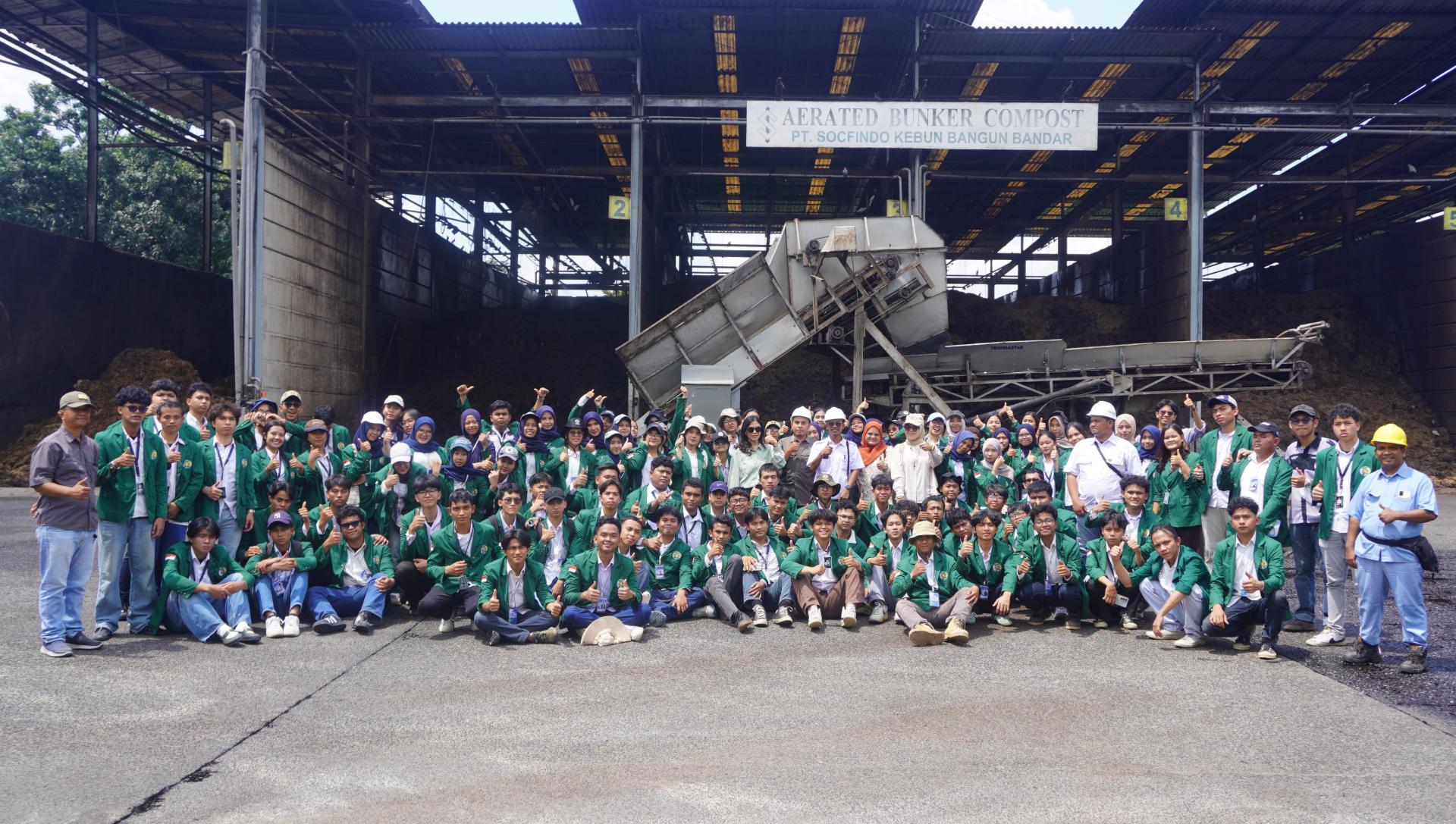
One of the highlights of the visit was the introduction to the process of converting oil palm empty fruit bunches (OPEFB) into compost. Students received an explanation of how this solid waste from oil palm processing is not only utilized by applying it directly to plantation areas but also undergoes a well-managed composting process until it decomposes. The mature OPEFB compost can then be used as organic material to improve soil conditions and support the provision of nutrients for plants.
This practice provided students with insight into the importance of plantation waste management through a circular economy approach, namely returning organic materials generated from production activities to the cultivation system. With proper processing, OPEFB has added value as a source of organic material that can support soil fertility, reduce waste, and improve resource-use efficiency in oil palm plantations.
Through the entire series of visits, students gained an understanding that oil palm plantation management is an interconnected system. Production success is determined not only by cultivation techniques in the field but is also influenced by the quality of planting materials, the accuracy of maintenance practices, harvesting effectiveness, product management, and the sustainable utilization of technology and resources.
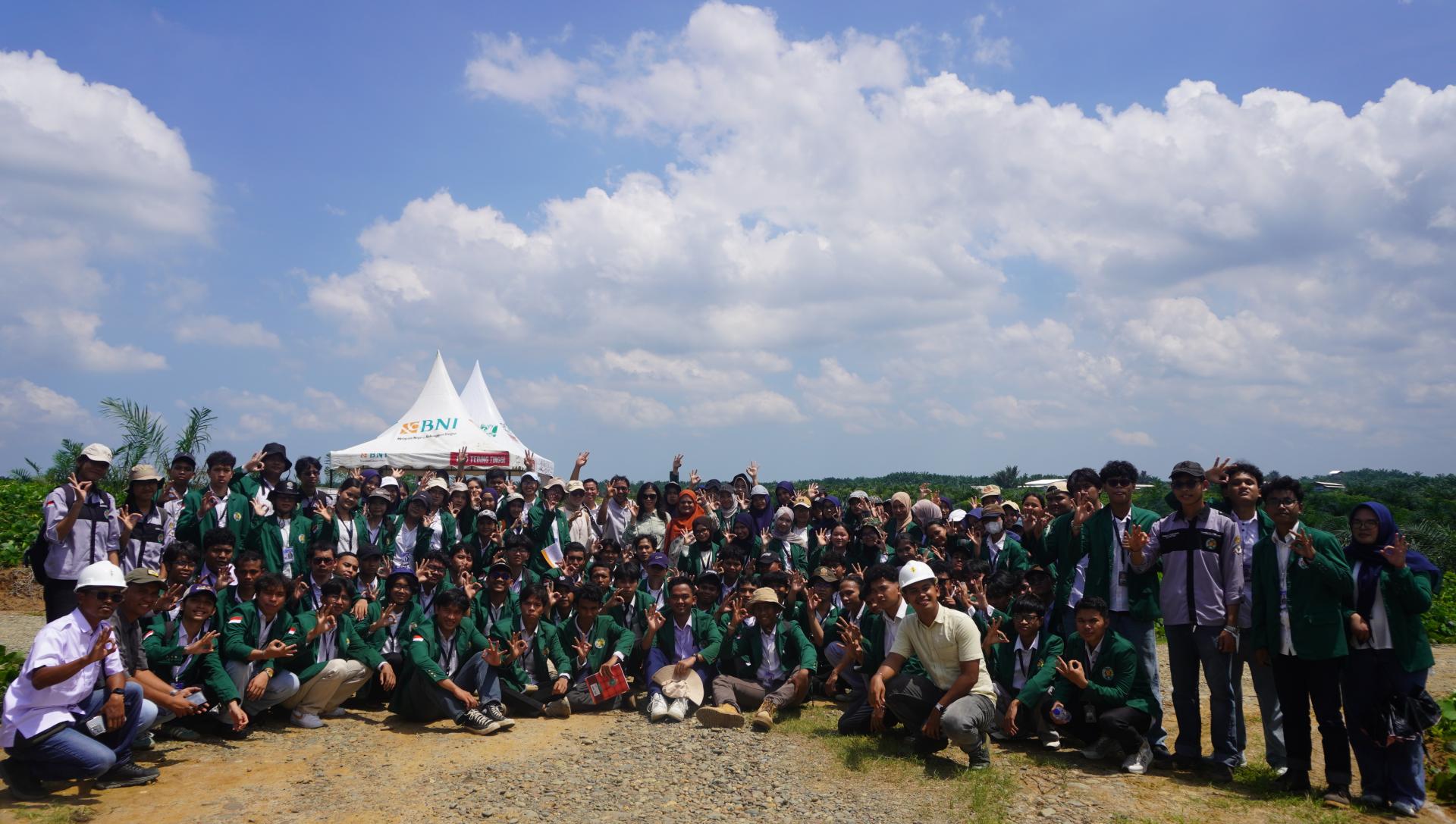
This field trip is expected to strengthen students’ ability to connect concepts learned during lectures with their practical application in the industrial world. In addition, this experience is expected to broaden students’ knowledge of developments in plantation technology, foster critical thinking skills, and prepare them to face the challenges and demands of the workforce in the agriculture and plantation sectors.
This activity also contributes to the achievement of several Sustainable Development Goals (SDGs). SDG 4 (Quality Education) is realized through experiential learning and the strengthening of student competencies. SDG 8 (Decent Work and Economic Growth) is supported through an introduction to professional work systems and competency requirements in the plantation industry. SDG 9 (Industry, Innovation, and Infrastructure) relates to the introduction of tissue culture technology, digitalization, and mechanization in plantation operations. Meanwhile, SDG 12 (Responsible Consumption and Production) is reflected in the practice of processing OPEFB into compost as a form of waste utilization and more efficient resource management.
Through field-based learning activities such as this, the Faculty of Agriculture, USU, continues to encourage stronger synergy between higher education institutions and the industrial sector. This collaboration is expected to produce graduates who not only have a strong scientific foundation but are also able to understand technological developments, adapt to industry needs, and contribute to creating a productive, innovative, and sustainable plantation sector.