


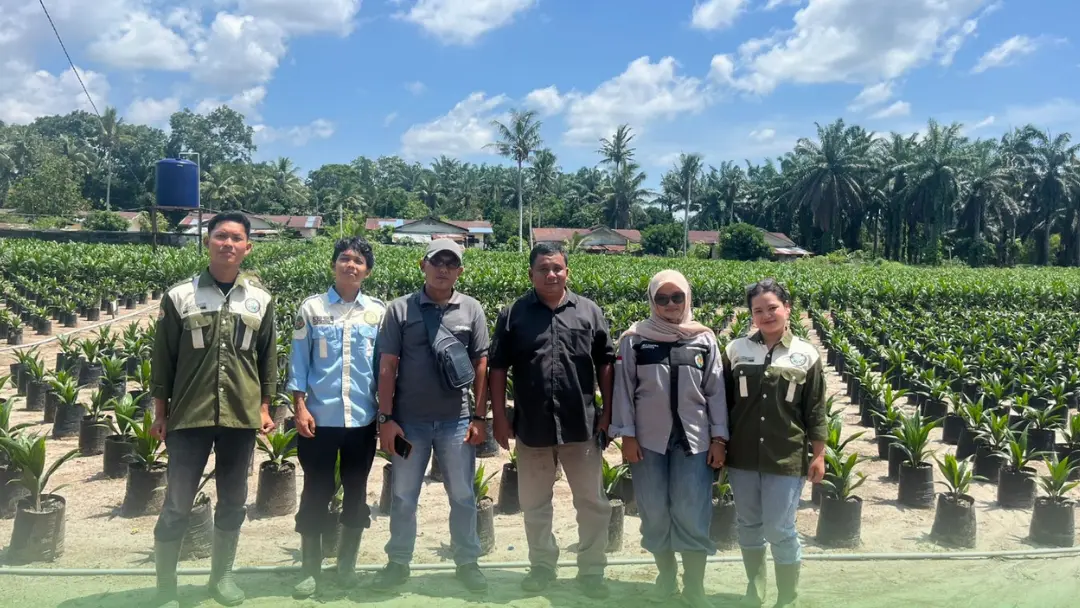
Students from the Agrotechnology Study Program, Faculty of Agriculture, Universitas Sumatera Utara, undertook a Field Internship (PKL) at PT. Karya Hevea Indonesia, Dolok Masihul Plantation Unit, focusing on the oil palm commodity (Elaeis guineensis Jacq.). The activity formed part of the students’ field-based learning process, providing them with practical experience while enabling them to gain firsthand insight into oil palm plantation management. The Field Internship was supervised by Anggria Lestami, S.P., M.Agr., and involved five students: Muhammad Ali Hasan Pulungan (230301045), Azudan Abdul Fatah (230301016), Indah Febriyanti Silaban (230301029), Theo Denael Sianturi (230301159), and Salsabila Chantika (230301178).
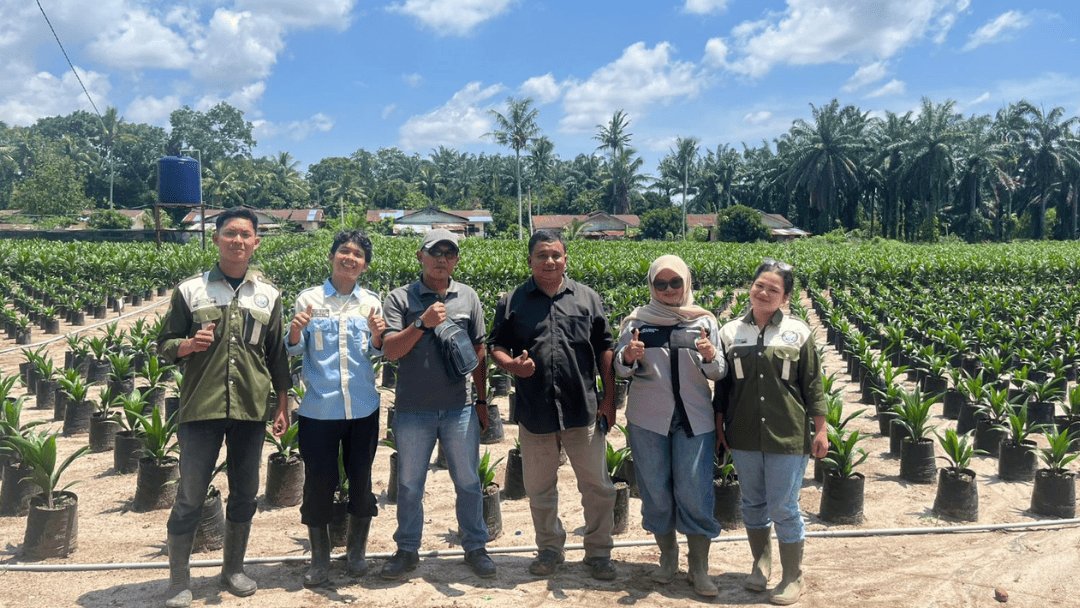
During the Field Internship, students were introduced to various aspects of oil palm plantation management, ranging from cultivation and plant maintenance to plantation environmental management, as well as work systems and activity management in the field. Through direct involvement in the plantation environment, students were expected to connect the knowledge acquired during their studies with real-world workplace practices.
The activity provided students with an opportunity to understand the importance of implementing Good Agricultural Practices (GAP) in oil palm cultivation. These practices include proper crop management, efficient use of inputs, maintaining crop productivity, and applying plantation management principles that take economic and environmental considerations into account. In addition to enhancing technical competencies, the Field Internship at PT. Karya Hevea Indonesia, Dolok Masihul Plantation Unit, also served as a means for students to develop discipline, responsibility, communication skills, teamwork, and readiness to enter the workforce. This experience is expected to help shape graduates who possess not only academic knowledge but also practical and professional competencies.
The Field Internship also contributed to several Sustainable Development Goals (SDGs), particularly:
- SDG 4 – Quality Education: through experiential learning and the strengthening of students’ competencies in the workplace.
- SDG 8 – Decent Work and Economic Growth: through the development of skills, work experience, professionalism, and students’ readiness to enter the workforce.
- SDG 12 – Responsible Consumption and Production: through an understanding of plantation management and the effective and responsible use of agricultural resources and inputs.
- SDG 15 – Life on Land: through exposure to plantation management practices that consider the sustainability of land resources and the environment.
- SDG 2 – Zero Hunger: indirectly, through the development of human resource competencies in managing productive and sustainable agricultural and plantation sectors.
Thus, the Field Internship was not only part of the students’ academic requirements but also a learning experience that supported the development of young people’s competencies, the advancement of the agricultural and plantation sectors, and the implementation of sustainable development principles. Through their experience at PT. Karya Hevea Indonesia, Dolok Masihul Plantation Unit, students are expected to gain a more comprehensive understanding of oil palm commodity management and carry this experience forward as a foundation for contributing to the development of a productive, professional, and sustainable agricultural and plantation sector in Indonesia.