


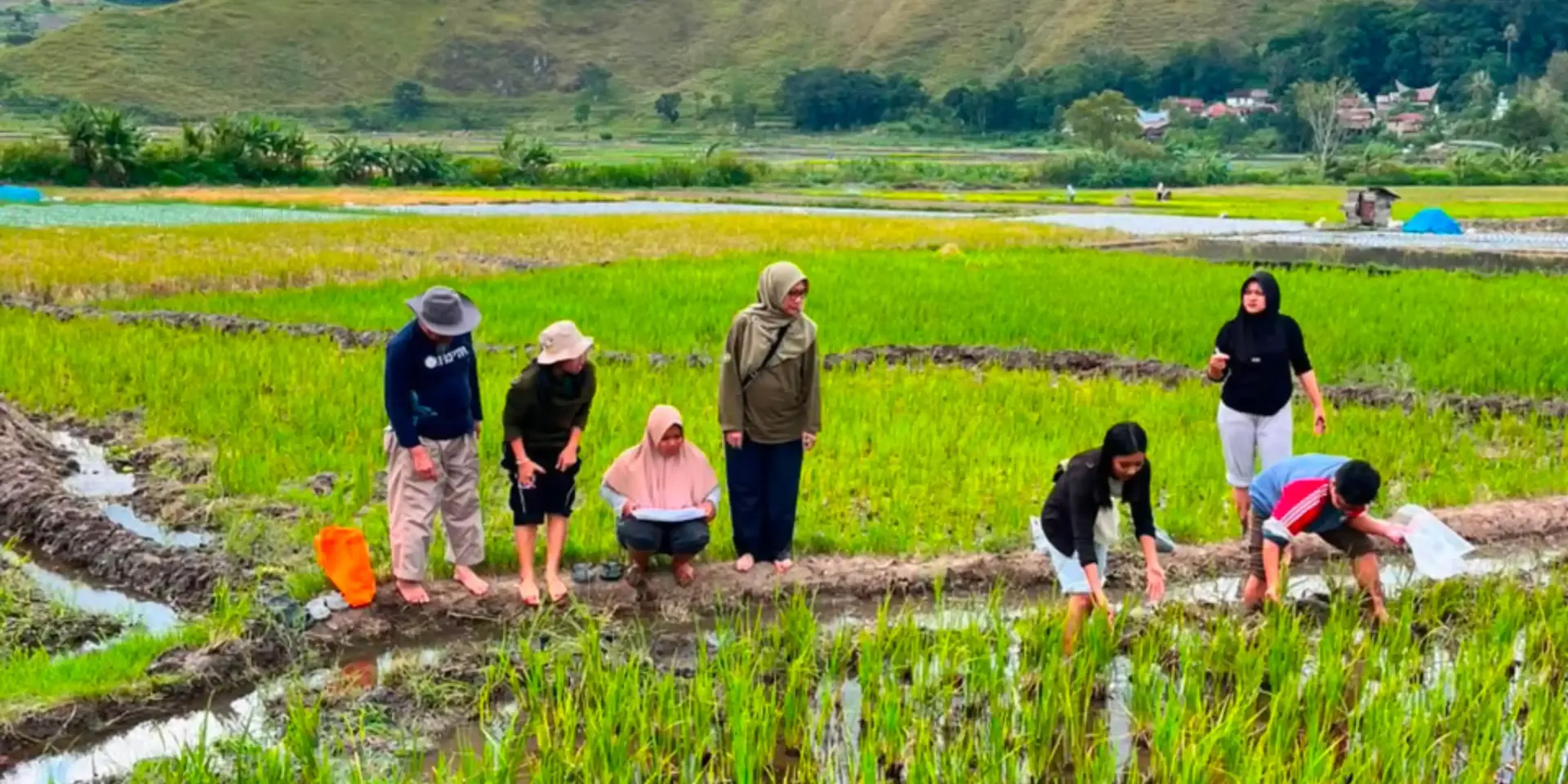
Medan — Prof. Dr. Lisnawita, S.P., M.Si., Head of the Doctoral Program in Agricultural Sciences and lecturer of the Agrotechnology Study Program, Faculty of Agriculture, Universitas Sumatera Utara (FP USU), is conducting research through the 2026 Indonesia Collaborative Research Grant (RKI), Scheme B. The research, entitled “Genetic Diversity of Meloidogyne graminicola Populations and Microbiomes and Their Implications for Rice Yield Loss,” involves USU, Universitas Gadjah Mada (UGM), IPB University, Universitas Medan Area (UMA), and Wageningen University & Research (WUR), the Netherlands.
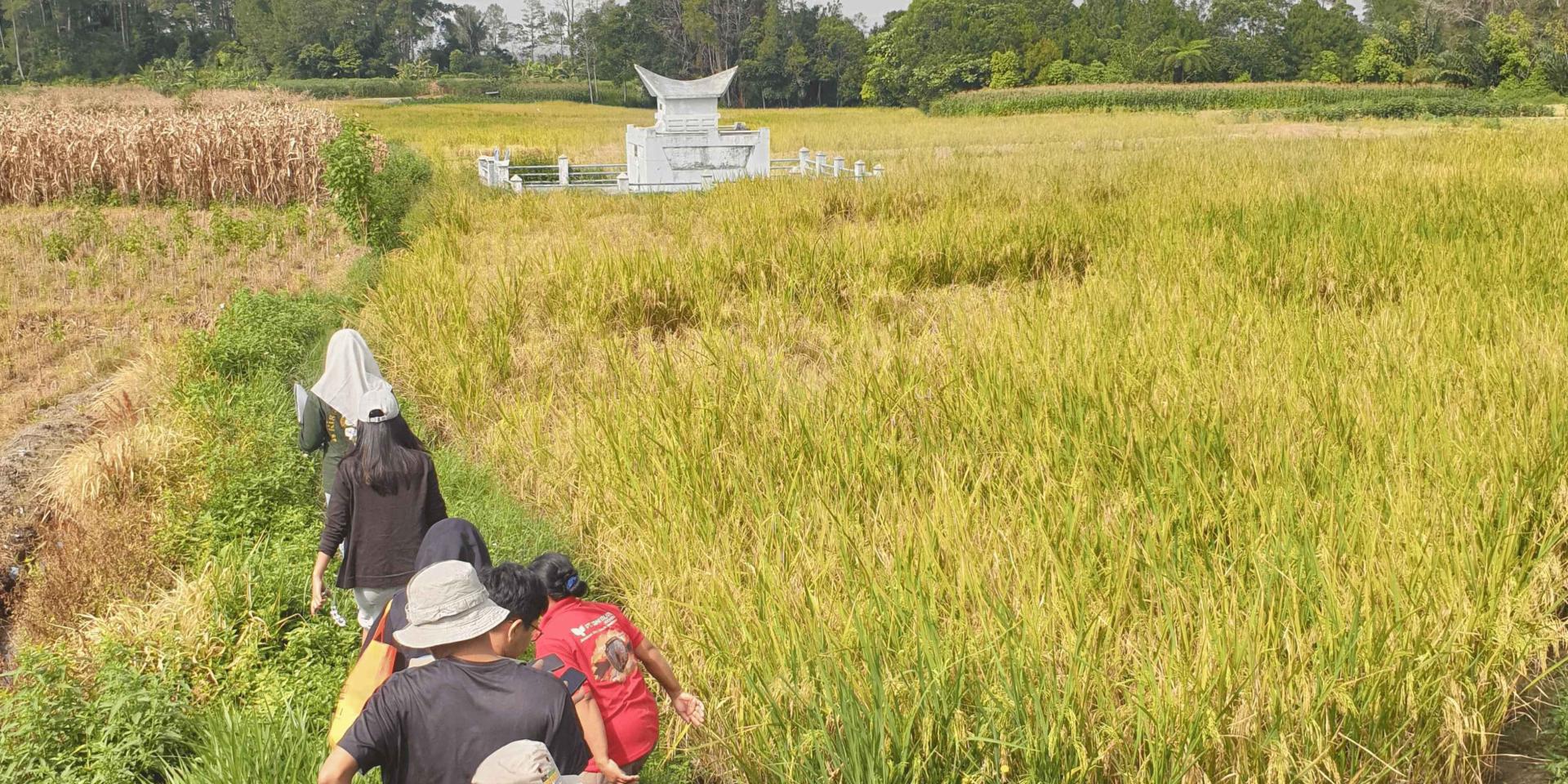
The research examines Meloidogyne graminicola, a plant-parasitic nematode that attacks rice roots and has the potential to disrupt plant growth and productivity. The study combines agroecological surveys, microscopic observation of nematode symptoms and abundance, genetic characterization, and analysis of microbial communities associated with the rice root environment.
This integrated approach is necessary to understand variations in nematode populations under different agroecosystem conditions. The information generated is expected to serve as a basis for developing more accurate and environmentally friendly nematode management strategies that are suited to rice cultivation conditions in North Sumatra.
Reaching Eight Regencies in North Sumatra
Sampling was conducted at rice cultivation sites in eight regencies, namely Deli Serdang, Serdang Bedagai, Langkat, Simalungun, Samosir, Humbang Hasundutan, Toba, and North Tapanuli. The diversity of regions, elevation, water conditions, and cultivation characteristics allows the team to compare the presence of root-knot symptoms, nematode abundance, and environmental conditions across various rice agroecosystems.
In the field, the team documented plant and root conditions, root-knot symptoms, and environmental characteristics, and collected root and soil samples for laboratory examination. Further analyses were conducted collaboratively according to the expertise and facilities available at each higher education institution.
“Controlling rice nematodes requires strong information on their distribution, agroecological conditions, population diversity, and microbial communities in the root environment. Through this collaboration, we seek to establish a scientific foundation for designing effective management strategies while maintaining the sustainability of rice agroecosystems,” explained Lisnawita.
Research Collaboration and Strengthening Academic Capacity
The collaboration among USU, UGM, IPB University, UMA, and Wageningen University & Research (WUR) brings together expertise in plant disease epidemiology, nematology, molecular biology, microbiomes, and agroecological analysis. This national and international synergy strengthens the quality of data collection and analysis, knowledge exchange, and the research network for plant protection at FP USU.
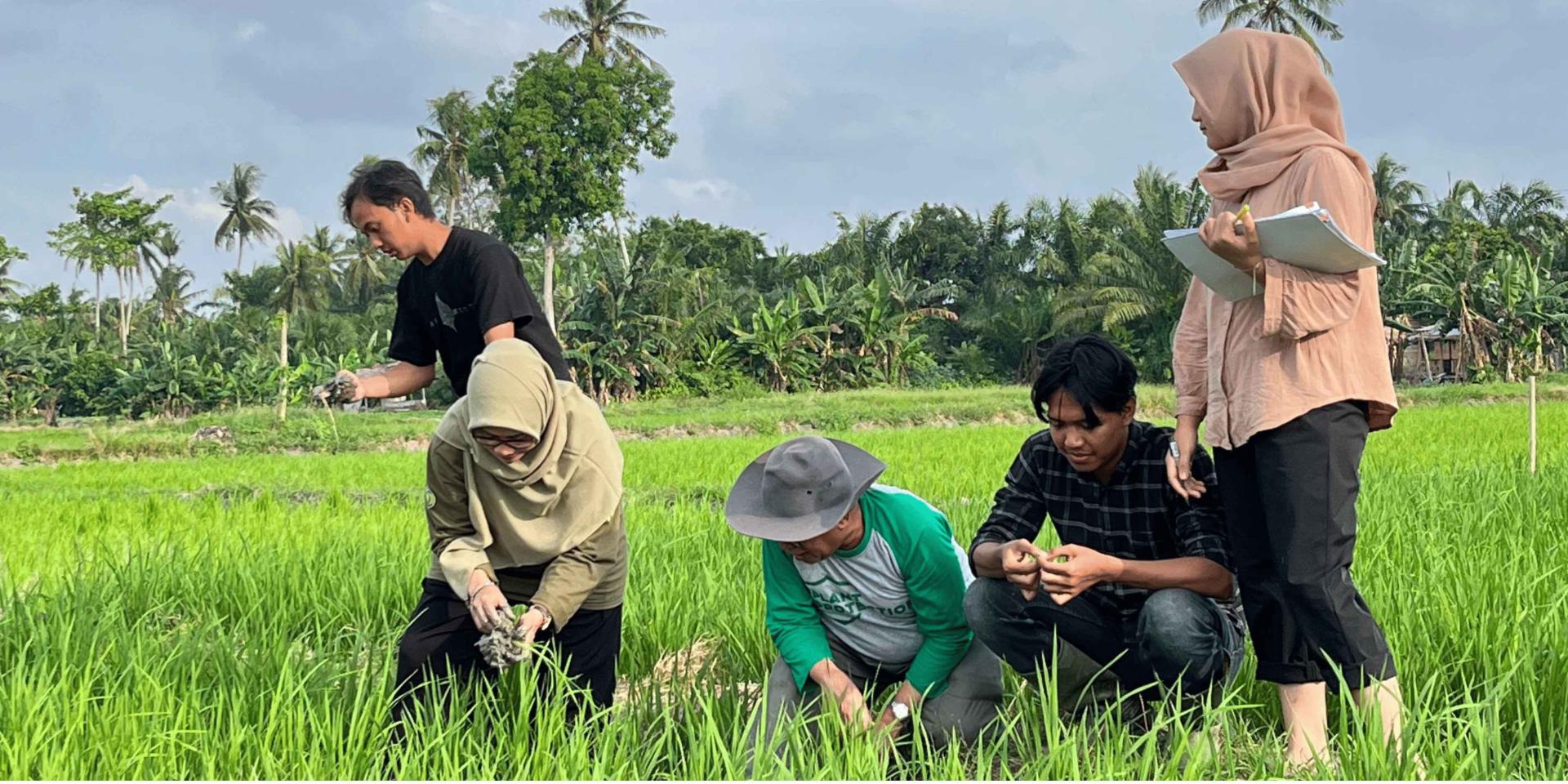
This activity also provides a research-based learning environment for students and lecturers in the field of Plant Pests and Diseases, particularly plant diseases. Participation in field surveys, sample handling, laboratory examination, data management, and discussion of results further strengthens research competencies in addressing real-world issues in the agricultural sector.
The research is expected to generate information on agroecological conditions associated with the occurrence of root-knot symptoms and nematode abundance, the genetic characteristics of populations, and the structure of microbial communities in the root environment. These findings will serve as a basis for further research and the formulation of more sustainable rice crop health management strategies.
Contribution to the Sustainable Development Goals
This research makes direct and supporting contributions to the Sustainable Development Goals (SDGs). Its relevance is particularly evident in the following goals:
SDG 2 (Zero Hunger), particularly Targets 2.4 and 2.a, through strengthening agricultural research and providing a scientific basis for productive, resilient, and sustainable food production systems.
SDG 4 (Quality Education), through research-based learning and the development of student and lecturer competencies in surveys, laboratory analysis, data management, and scientific communication.
SDG 9 (Industry, Innovation, and Infrastructure), particularly Target 9.5, through strengthening research capacity and utilizing microscopic, molecular, and microbiome analysis approaches to address plant protection issues.
SDG 12 (Responsible Consumption and Production), through the development of knowledge that has the potential to support more precise, efficient, and environmentally friendly management of plant pests and diseases.
SDG 15 (Life on Land), through the study of soil health, microbial diversity, and biotic interactions in the root environment as part of agroecosystem sustainability.
SDG 17 (Partnerships for the Goals), particularly Targets 17.6 and 17.16, through knowledge exchange, utilization of expertise across institutions, and strengthening of national and international research partnerships.
Of these six goals, the most direct contributions are to SDG 2, SDG 9, and SDG 17 because the research focuses on sustainable rice production, strengthening scientific innovation, and inter-institutional collaboration. Contributions to SDG 4, SDG 12, and SDG 15 are supporting in nature through competency development, responsible management approaches, and an understanding of agroecosystem health.
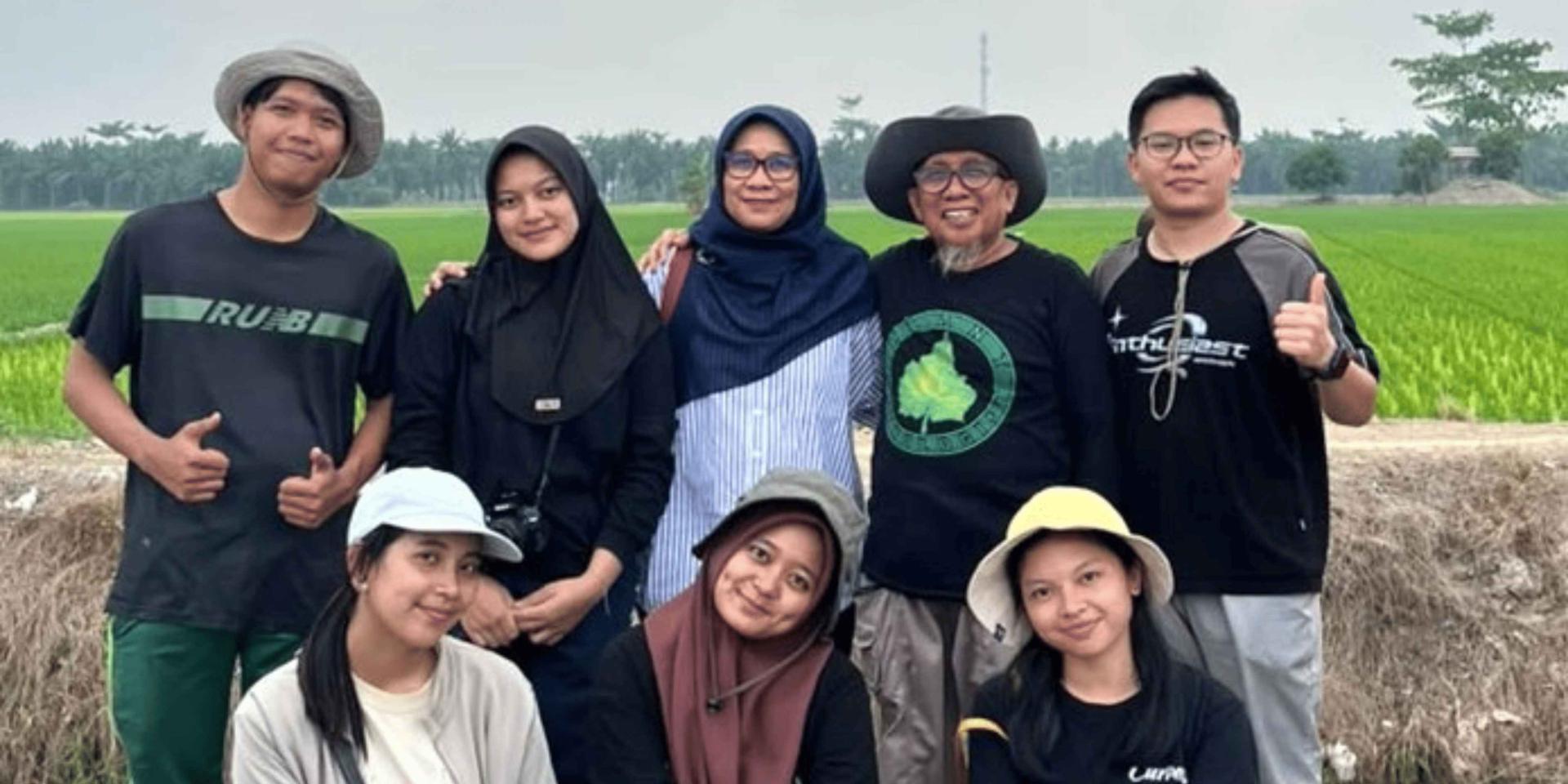
Through the 2026 Indonesia Collaborative Research Grant (RKI), Scheme B, FP USU reaffirms its commitment to generating knowledge relevant to agriculture in North Sumatra. This national and international collaboration is expected to develop into a long-term research network that supports crop health, food security, and evidence-based management of rice agroecosystems.