


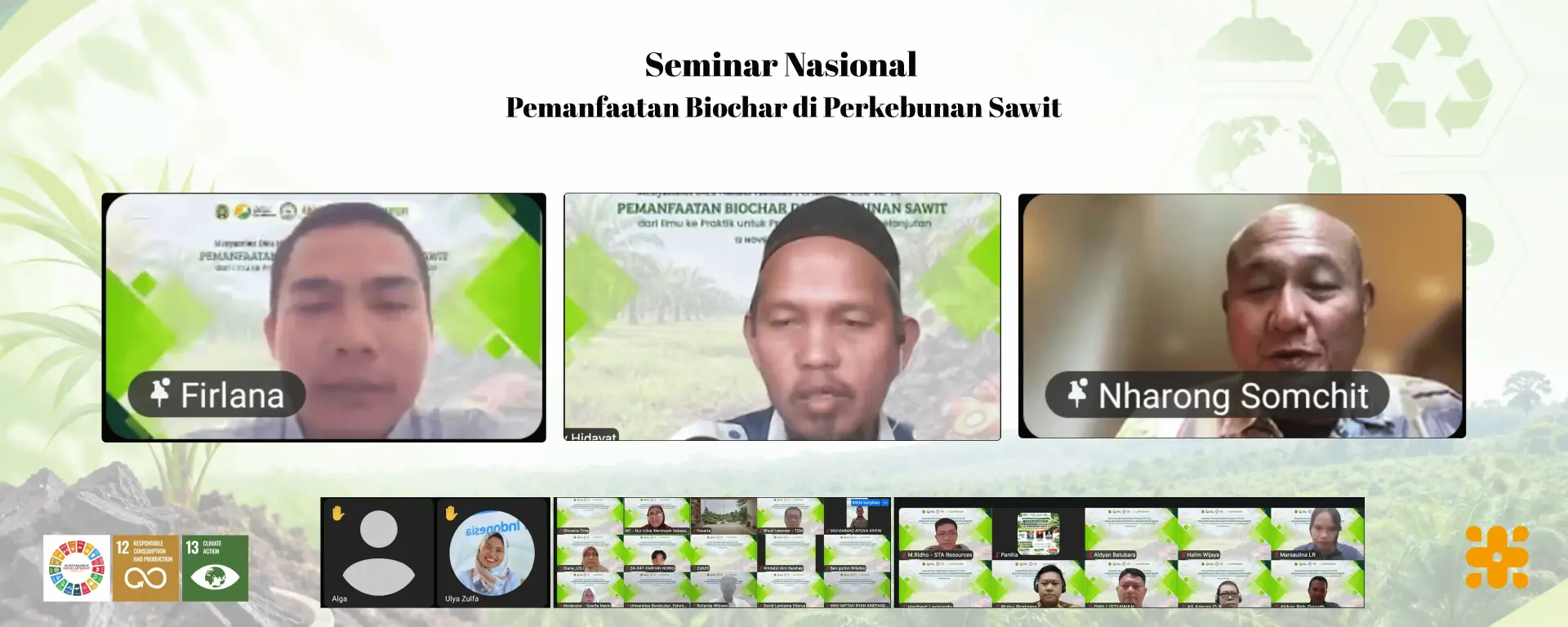
The Faculty of Agriculture, Universitas Sumatera Utara (FP USU), through the Soil Chemistry and Biology Laboratory, held an online national seminar themed “Utilization of Biochar in Oil Palm Plantations: From Science to Practice for Productivity and Sustainability” on Thursday, November 12, 2026. This activity aimed to broaden insights into the potential use of biochar as an effort to improve soil quality and plantation productivity, as well as support sustainable agricultural practices.
The seminar was attended by members of the academic community, practitioners, and the general public from various agencies, institutions, companies, associations, and industries. From FP USU, the event was attended by the Dean of FP USU, Dr. Rulianda Purnomo Wibowo, S.P., M.Ec.; Head of the Undergraduate Program in Agrotechnology, Prof. Dr. Diana Sofia Hanafiah, S.P., M.P.; lecturers; and students.
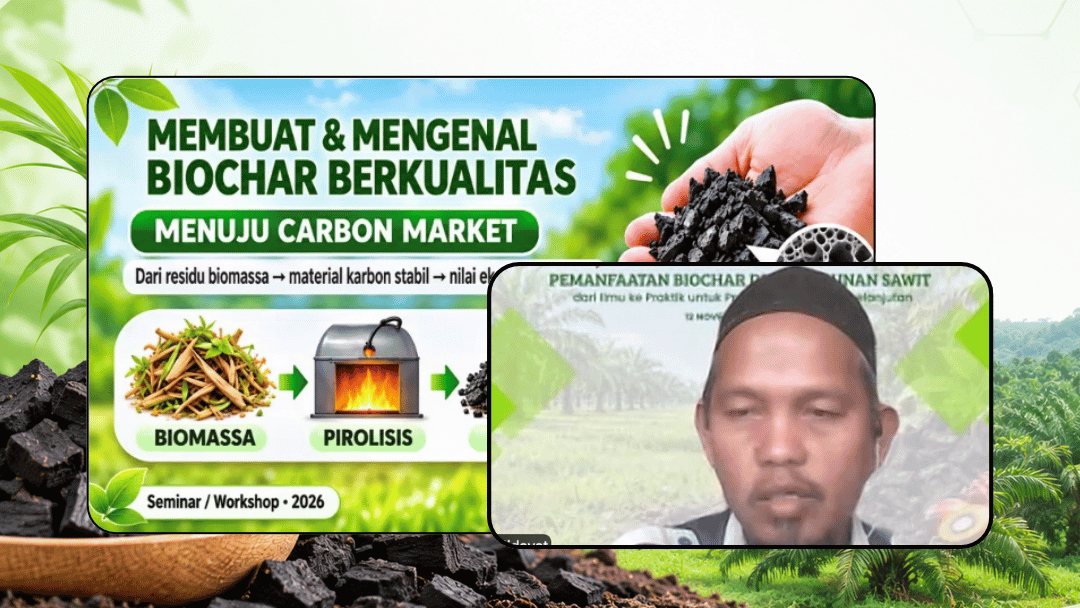
The activity began with remarks from the Head of the Soil Chemistry and Biology Laboratory, Dr. Benny Hidayat, S.P., M.P., who stated that the utilization of biochar had been developing in various countries for several years and was now receiving increasing attention. According to him, biochar has the potential to serve as a stable carbon material that can last for hundreds of years, making continued research and development necessary.
“Initially, I noticed that the students under my supervision did not yet fully understand how to make biochar. This inspired me to organize training, which then developed into the idea of holding a workshop so that this knowledge could be shared with the wider community,” he explained. He hoped that the activity would provide benefits and encourage more parties to develop the utilization of biochar.
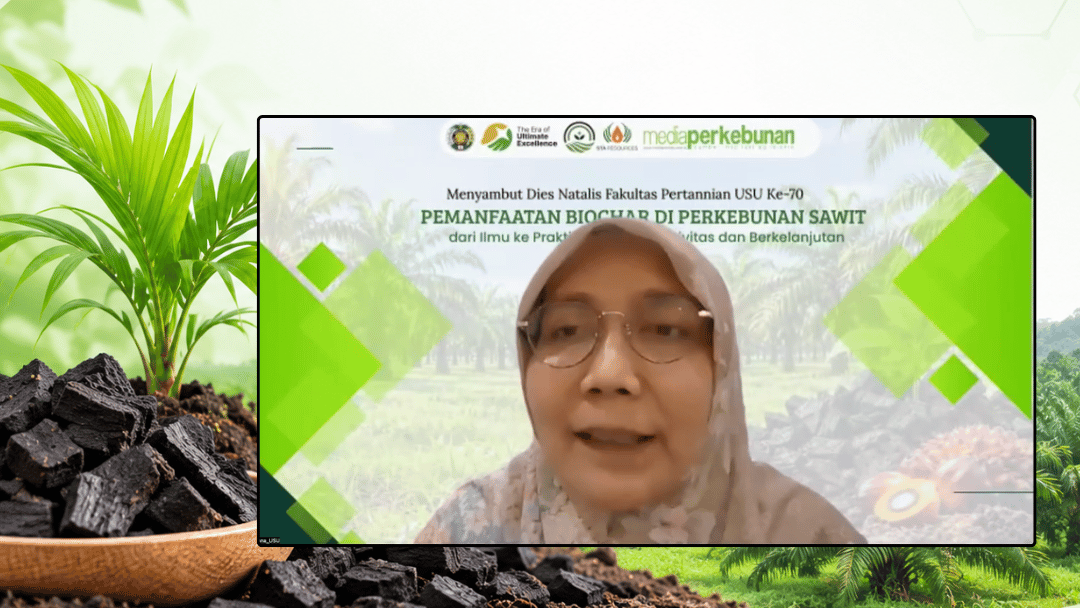
Furthermore, the Head of the Undergraduate Program in Agrotechnology, FP USU, Prof. Dr. Diana Sofia Hanafiah, S.P., M.P., expressed her appreciation to the Soil Chemistry and Biology Laboratory and all partners who had initiated the activity. She considered the seminar theme highly relevant to the needs of oil palm plantation development, particularly in improving soil quality and optimizing the utilization of biomass waste.
She hoped that the seminar and workshop would provide new knowledge while opening up opportunities for cooperation between universities, associations, and the industrial sector in developing sustainable agricultural technologies.
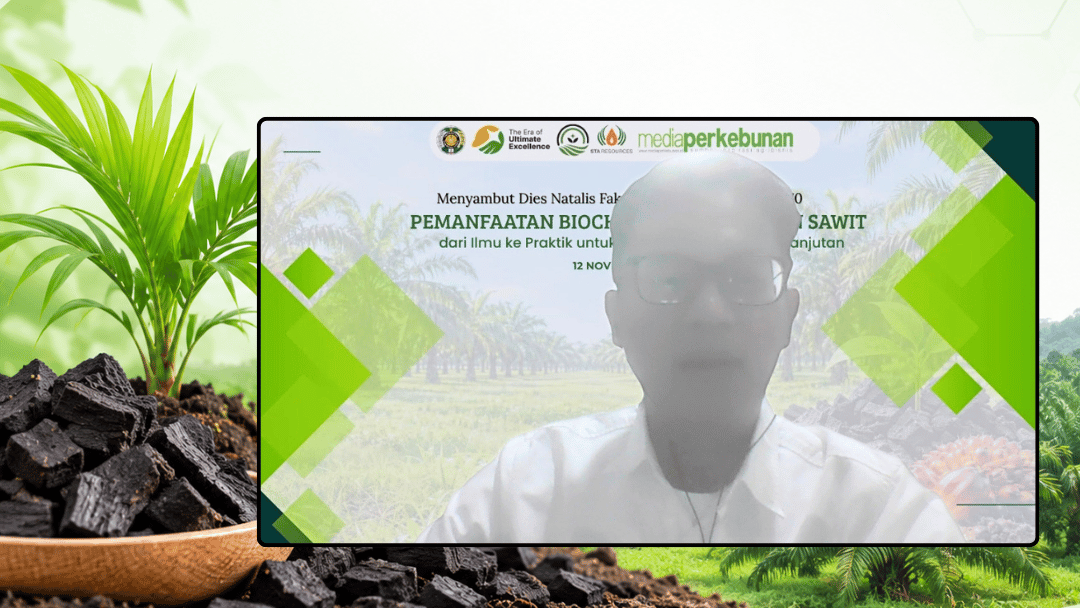
In his remarks and while officially opening the event, the Dean of FP USU, Dr. Rulianda Purnomo Wibowo, S.P., M.Ec., emphasized that the utilization of biochar was an important issue that needed continued development, particularly considering Indonesia's enormous potential for oil palm plantation biomass. One source of biomass that can be utilized is empty fruit bunches of oil palm, which have the potential to be processed into biochar to help improve soil structure and quality.
“I see that our potential to produce biochar is extraordinary, but its utilization remains suboptimal, particularly in the Sumatra and Kalimantan regions. Through this seminar, we are once again drawing attention to local potential while encouraging increased plantation productivity,” he stated.
Furthermore, he explained that the utilization of biochar was not only relevant to oil palm plantations but also had the potential to be applied to food crop and horticultural land, particularly in helping address critical land problems characterized by poor soil structure and nutrient content.
The seminar, moderated by Dr. Syarifa Mayly Boelian Dachban, S.P., M.P., an LLDIKTI Region I civil servant lecturer at Universitas Pembinaan Masyarakat Indonesia, featured three speakers with academic perspectives and practical experience in the plantation sector.
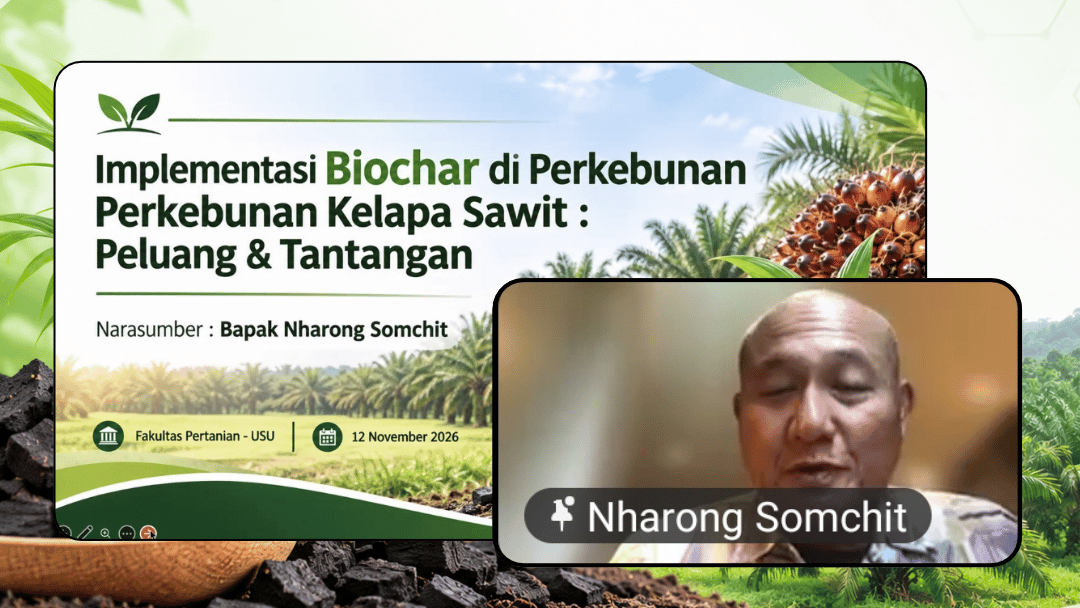
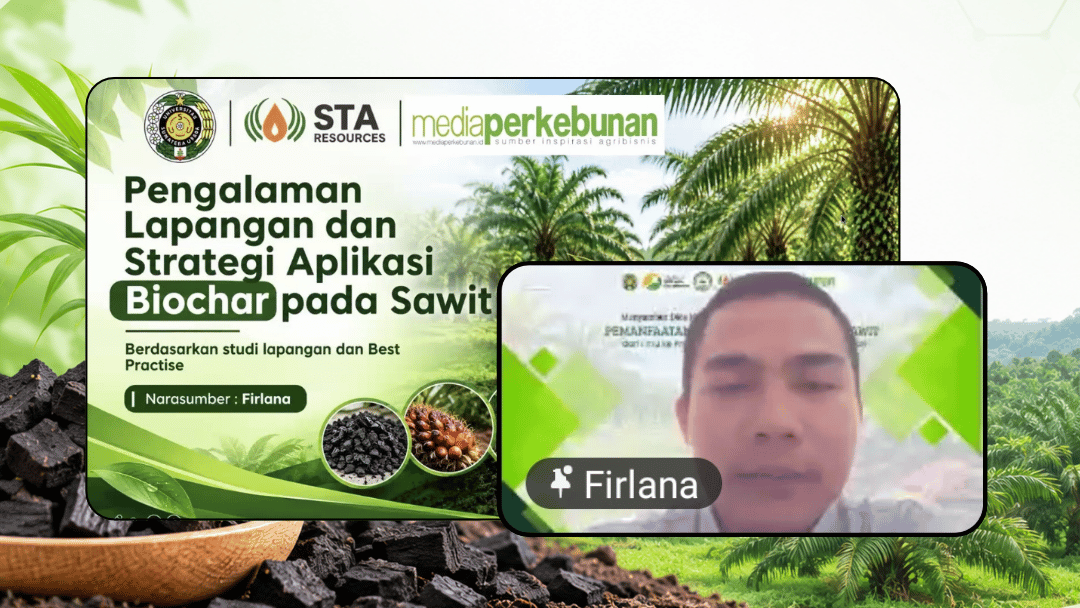
The first speaker, Nharong Somchit, Chief Operating Officer of the plantation at PT Sumber Tani Agung Resources (PT STAR), presented material on “Implementation of Biochar in Oil Palm Plantations: Opportunities and Challenges.” Next, Firlana, S.P., M.Si., Agronomy Manager of PT STAR, shared field experience and strategies for applying biochar in oil palm plantations based on field studies and best practices.
Meanwhile, Dr. Benny Hidayat, S.P., M.P., a lecturer in the Agrotechnology Study Program and Head of the Soil Chemistry and Biology Laboratory, FP USU, presented material entitled “Producing and Understanding Quality Biochar Toward the Carbon Market.” The discussion covered the processing of biomass residues into stable carbon materials, the economic value of biochar, and its potential to support climate change mitigation efforts.
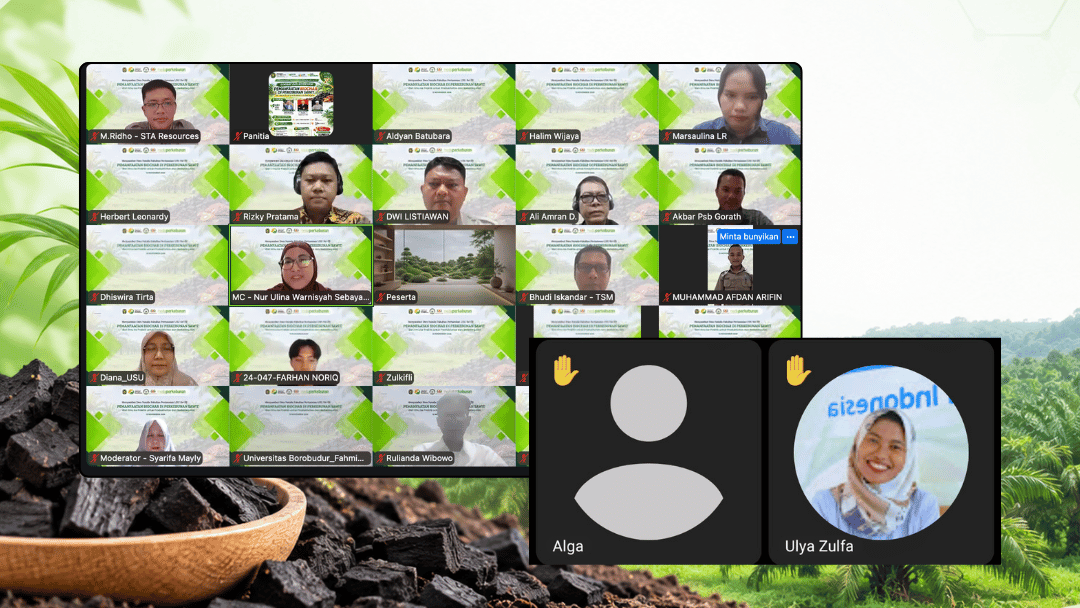
Throughout the event, the seminar proceeded interactively, with participants demonstrating enthusiasm through various questions and discussions with the speakers. At the end of the event, the committee presented certificates of appreciation to the speakers in recognition of their contributions and willingness to share their knowledge and experience.
Through this activity, FP USU hopes that the utilization of biochar will become more widely known and applied, both in plantation management and in the development of other agricultural sectors. This activity is also aligned with the Sustainable Development Goals (SDGs) 12 on Responsible Consumption and Production and SDG 13 on Climate Action, through the optimization of biomass residue utilization and the development of technologies that support sustainable natural resource management.