


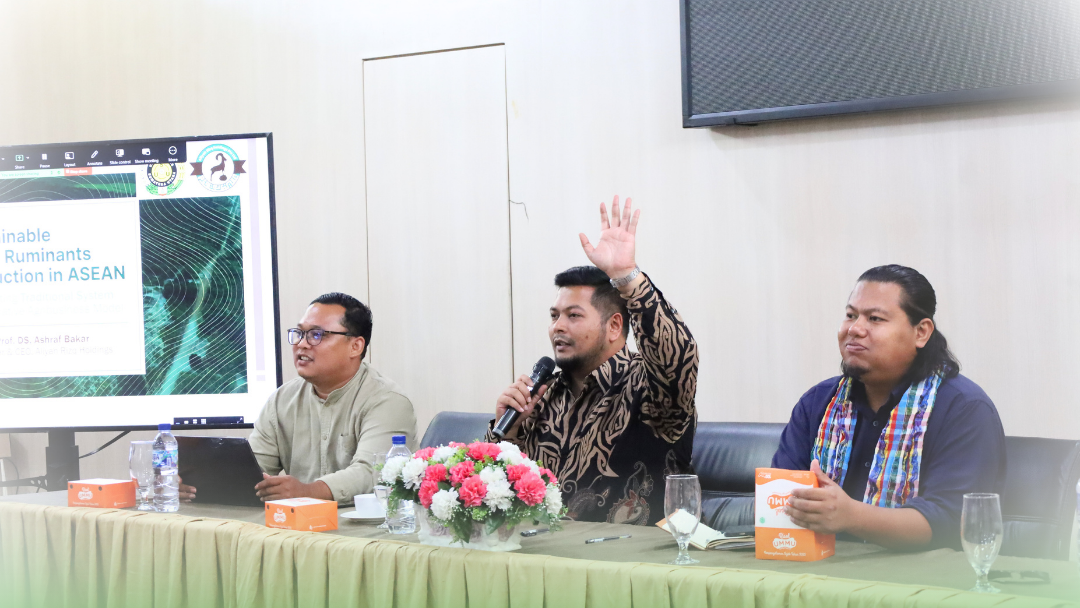
The Faculty of Agriculture, Universitas Sumatera Utara (FP USU), through the Undergraduate Program in Animal Science and Master’s Program in Animal Science, held an International Public Lecture entitled “Advancing Sustainable Livestock Production in ASEAN: Integrating Agribusiness, Animal Health, and Innovative Feed Resources” on Friday (September 4, 2026). The event was held in a hybrid format at the D.H. Peny Building and via Zoom Meeting, from 9:00 a.m. WIB until the event concluded.
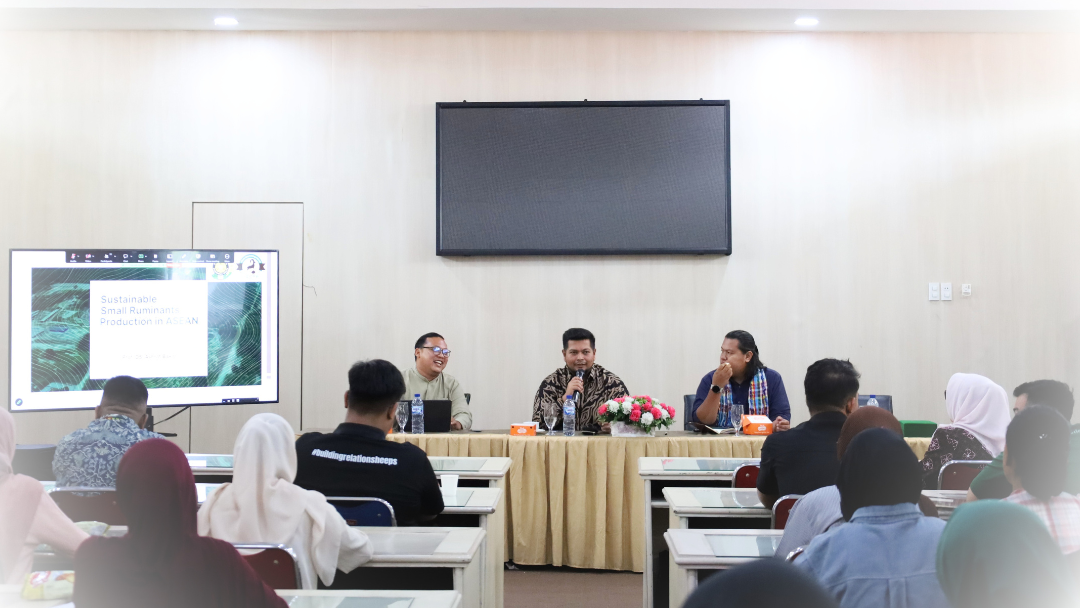
One of the speakers, Prof. Dato Seri Ashraf Bakar, Founder & CEO of Aliyah Rizq Holdings, delivered a presentation entitled “Sustainable Small Ruminants Production in ASEAN - Integrating Traditional System Into Lucrative Agribusiness Model.” He shared the experience of Aliyah Rizq, which was established in 2015 as a family livestock farm in Mersing, Malaysia, and has since grown into a regional halal livestock supply chain company.
Prof. Ashraf emphasized that traditional livestock systems have the potential to be developed by integrating them with modern agribusiness models.
“The traditional livestock system does not need to be replaced; it needs to be integrated into a modern, circular, and commercially viable agribusiness framework.”
One of the key areas of focus in livestock development is feed efficiency. Prof. Ashraf encouraged the utilization of plantation by-products, such as palm kernel cake, oil palm fronds, and cocoa waste, as feed ingredients through fermentation technology innovations.
“We need to look at agricultural waste not as waste, but as a valuable resource that can be upcycled into nutritious feed and create a more sustainable livestock system.”
This concept is developed through the Integrated Crop-Livestock System (ICLS), which connects crop production and livestock farming within a single cycle. Agricultural by-products can be utilized as feed, while livestock waste can be processed into organic fertilizer and biogas, creating a more efficient production system that approaches the concept of zero waste.
Beyond production, Prof. Ashraf highlighted the importance of animal health, biosecurity, legal compliance, and traceability in establishing cross-border livestock supply chains. According to him, collaboration between universities and industry is essential to transform research findings into solutions that can be implemented in the field.
“Collaboration between universities and industry is important to turn research and innovation into practical solutions for farmers and the livestock industry.”
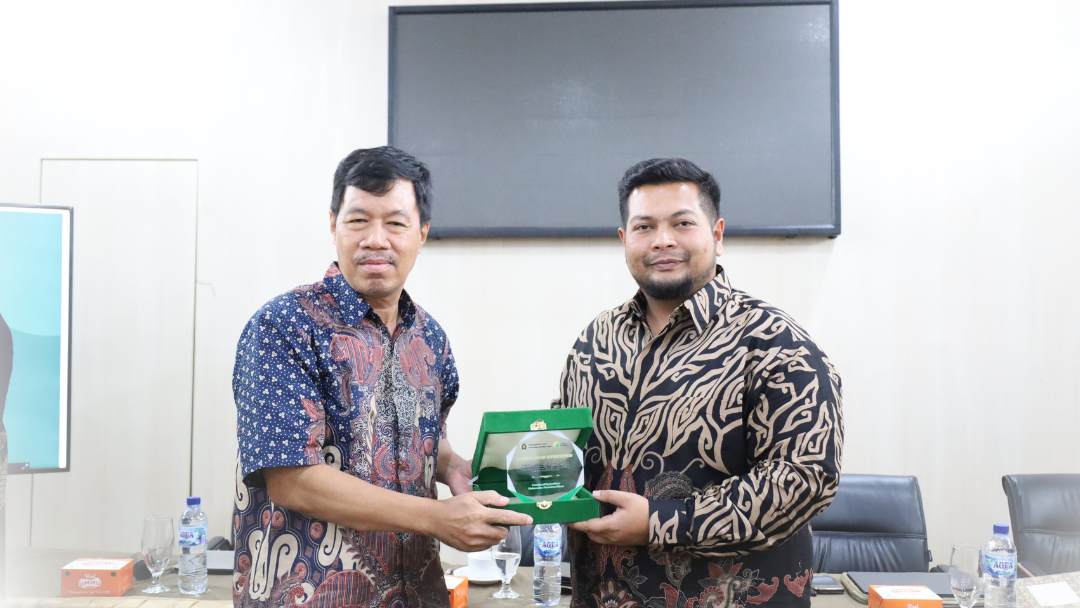
This commitment to collaboration was further strengthened through the signing of an Implementation Agreement (IA) between FP USU and Aliyah Rizq Holdings as a follow-up to their cooperation in education, research, competency development, and academic and professional activities.
Prof. Ashraf also encouraged students to view the livestock sector as an entrepreneurial opportunity rather than merely a pathway to employment.
“Don’t only think about getting a job. Think about how you can create value, build a business, and create opportunities for others through livestock.”
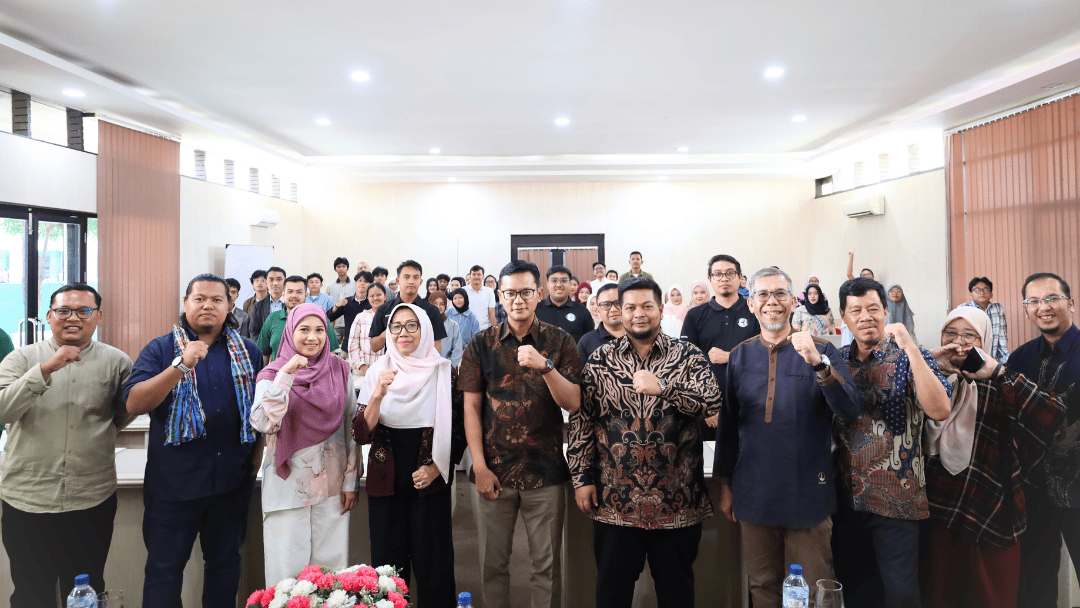
Through this activity, FP USU continues to broaden students’ perspectives while strengthening academic and industry networks to support the development of innovative and sustainable livestock production. These efforts are aligned with SDG 2 (Zero Hunger), SDG 4 (Quality Education), and SDG 17 (Partnerships for the Goals).