


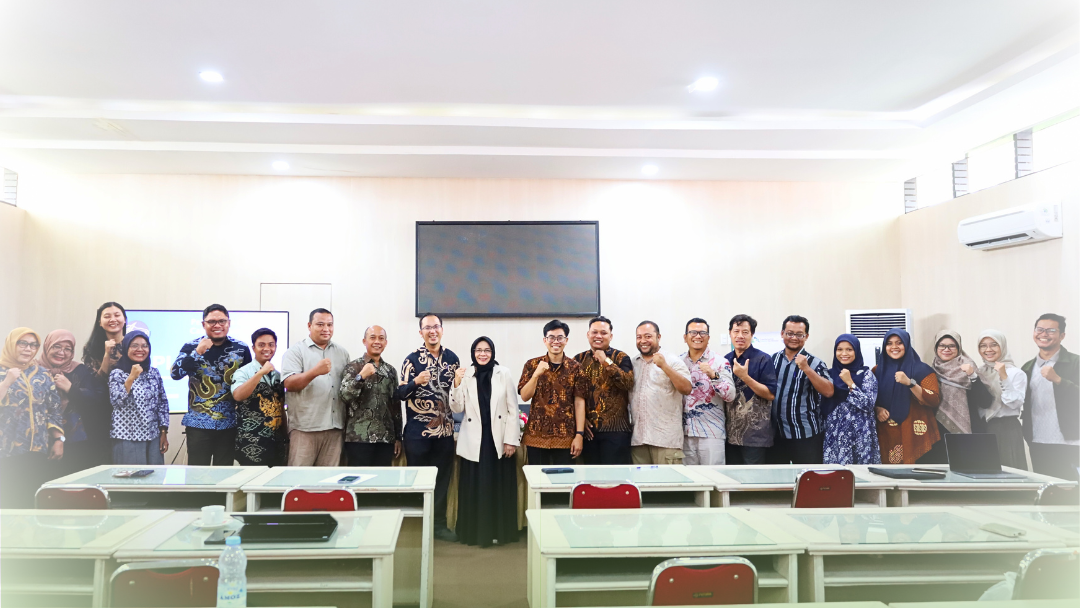
The Faculty of Agriculture, Universitas Sumatera Utara (USU) hosted the inauguration of the Indonesian Animal Science Scholars Association (HILPI) North Sumatra Branch on Monday (August 4, 2025) at the DH Penny Building.
The solemn event was attended by the Dean of the Faculty of Agriculture USU, Prof. Dr. Ir. Tavi Supriana, MS., the Central Executive Chairman of HILPI, Prof. Dr. Ir. Asep Gunawan, M.Sc., HILPI board members, academics, and invited guests from various institutions.
The inauguration was led directly by the Central Executive Chairman of HILPI, who handed over the Decree of Appointment to the North Sumatra Branch Management for the 2025–2028 term. The appointed board members came from public and private universities in North Sumatra, researchers from BRIN, BRMP of the Ministry of Agriculture, and industry practitioners.
Core management structure:
Chairman: Ir. Achmad Sadeli, S.Pt., M.Sc., IPM., ASEAN.Eng.
Vice Chairman: Dr. Ir. Nevy Diana Hanafi, S.Pt., M.Si., IPM.
General Secretary: Winda Fransisca Saragih, S.Pt., M.Pt.
General Treasurer: Yusni Khairani Tampubolon, S.Pt., M.Sc.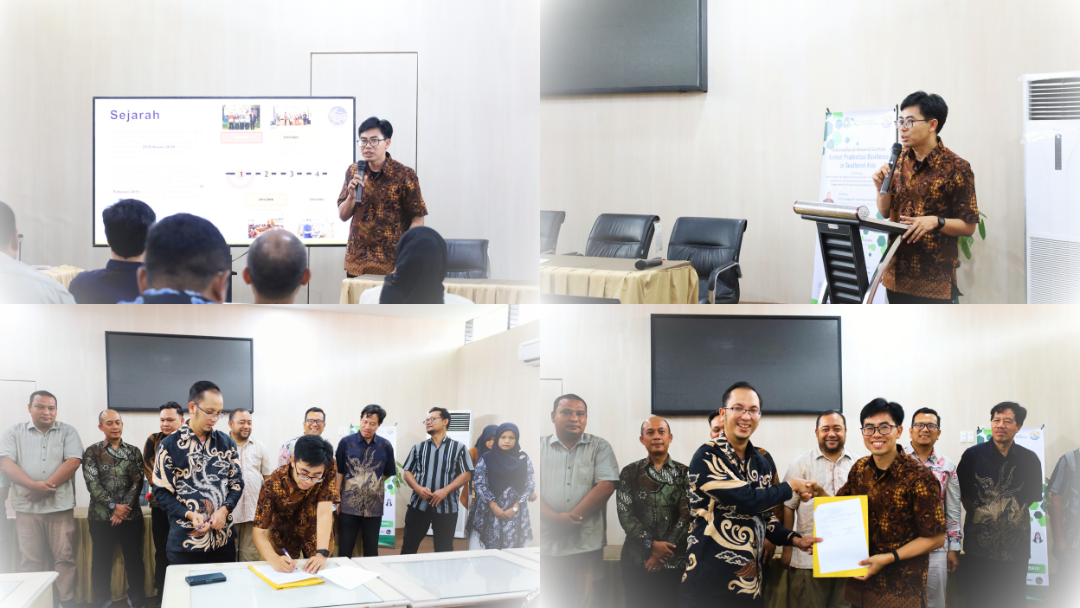
HILPI’s vision is “To be the leading innovator in animal science and technology based on Indonesia’s natural resources and culture”, with a mission to explore Indonesia’s natural and cultural resources in animal science, create and implement science and technology to improve farmers’ competitiveness, and teach and pass on science and technology to future generations.
The organization’s areas of work include internal affairs, scientific seminars and publications, public promotion and communication, strategy and policy, research and dissemination, inter-institutional cooperation, as well as human resource development and branch coordination.
With the establishment of the HILPI North Sumatra Branch management, it is expected that the organization will become a driving force for the advancement of animal science through scientific collaboration, research, and sustainable community service, as well as strengthen synergy among academics, researchers, and practitioners to bring forth competitive livestock innovations.